

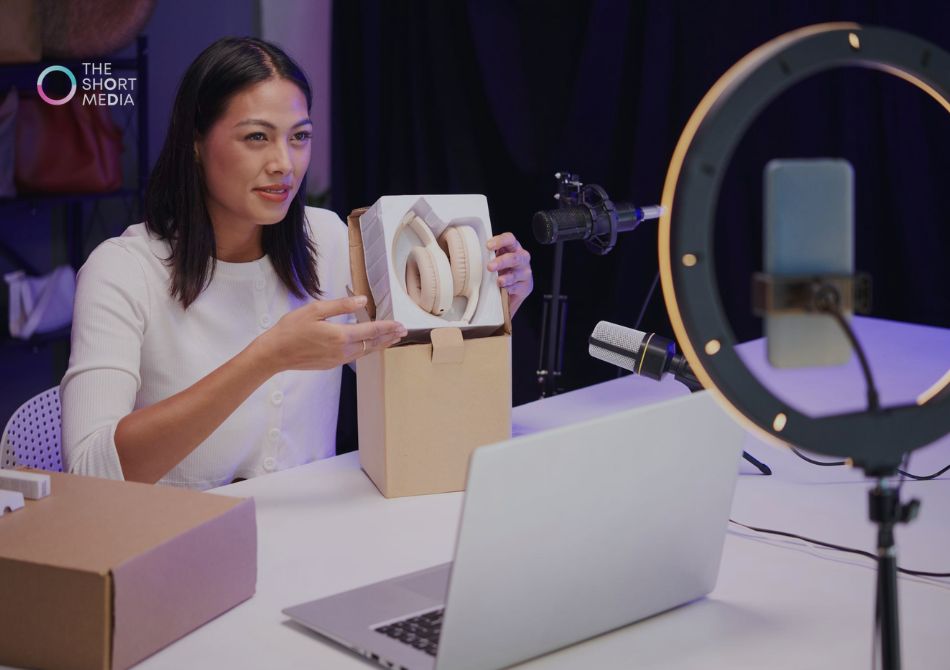
A few months ago, I saw a creator sell out a kitchen organizer by filming it on her phone between making coffee and packing her kid’s lunch. No ring light. No polished brand intro. She just showed the mess under the sink, pulled out the product, and the comments filled up fast: “Where do I get this?” “Does it fit apartment cabinets?” “Is it sturdy?”
That’s the part a lot of brands still miss. They’re still treating TikTok like a place to post ads that happen to be vertical. Meanwhile, TikTok Shop has turned the platform into something much closer to a live storefront, recommendation engine, and conversion channel all at once. And in the US, that’s changing who gets picked as a creator partner, how content gets briefed, and what brands expect from influencer programs.
If you work in beauty, food, fitness, home goods, or even Amazon-focused product launches, this shift is already affecting your playbook. Probably more than you think.
TikTok Shop didn’t just add checkout. It changed the job
Before TikTok Shop, a lot of influencer work in the US sat in a familiar pattern: brand sends product, creator makes content, audience clicks a link in bio or hunts for the item later. You got awareness, maybe some traffic, maybe a spike in branded search if things went well.
Now the purchase can happen right there. That sounds obvious, but it changes the creative itself.
When creators know a product is shoppable in-platform, they tend to structure videos differently. They get to the point faster. They answer objections earlier. They show use cases more clearly. You’ll see more “here’s what this actually looks like in a small bathroom” and less vague lifestyle fluff. In strong tiktok shop ecommerce content, the product isn’t just present. It’s being tested, compared, opened, worn, mixed, plugged in, cleaned, or eaten.
And viewers behave differently too. They don’t just watch. They check reviews, scan comments, tap the listing, then come back to the video. Sometimes all in under a minute.
That loop has made tiktok shop influencer marketing much more performance-driven than old-school brand collabs. Not in a boring spreadsheet-only way. More in the sense that weak creative gets exposed quickly. If the hook is off, if the creator sounds over-scripted, if the demo skips the one thing shoppers actually care about, the conversion drop-off shows up fast.
I’ve seen a beauty brand send creators a perfect talking-points doc, and the worst-performing videos were the ones that followed it too closely. You could hear the copy. Audiences could too.
Why a tiktok shop marketing agency is suddenly useful
There was a time when a brand could hand influencer to PR, paid social to media buyers, ecommerce to the site team, and somehow make that work. TikTok Shop doesn’t really respect those internal walls.
A good tiktok shop marketing agency sits in the middle of creator sourcing, offer strategy, content testing, affiliate setup, paid amplification, and reporting. That matters because the strongest programs aren’t built on one viral hit. They’re built on volume, iteration, and fast feedback.
That’s especially true in the US market, where creator inventory is huge but uneven. There are creators with modest followings who can move serious units for a cleaning product, protein snack, or acne patch because they know how to sell without sounding like they’re selling. Then there are larger creators who can drive attention but not purchases. Both can be useful, but not for the same reason.
A tiktok shop marketing agency should know the difference before the budget gets spent.
The better agencies also understand that tiktok shop ecommerce is not just creator seeding. It’s operations. Inventory sync issues, offer timing, commission structure, product page quality, shipping expectations, review volume. If your product listing looks thin or your shipping window feels slow compared to what users expect, creators can do their job perfectly and the conversion still stalls.
The creators winning right now don’t look like old influencer picks
For years, brands often chose creators based on polish, audience size, or aesthetic fit. TikTok Shop has pushed a different type of creator forward.
Some of the strongest performers in tiktok shop influencer marketing are not the most brand-safe on paper. They’re just believable. They have a way of making a product feel used, not placed. A home creator filming in a slightly cluttered kitchen can outperform a glossy studio setup because the setting answers a quiet question buyers always have: what does this look like in a real house?
I’ve watched a fitness accessory brand test creator content from a sleek gym studio against clips filmed in a cramped apartment bedroom. The apartment videos won. Not by a little, either. The comments told the story. People were asking about floor space, storage, noise, whether downstairs neighbors would hate it. The sales page hadn’t addressed any of that.
That’s where tiktok shop influencer marketing gets interesting. The comments become market research. Objections show up in plain English. Sometimes a creator finds the angle the brand team never would’ve picked. A food brand might think the hero message is flavor variety, while creators discover that “high protein and doesn’t taste chalky” is what actually gets people to buy.
And to be honest, some brands are still late to this. They jump on a trend two weeks after it peaked, ask creators to force the sound, and wonder why the content lands flat.
TikTok Shop works best when creator content feeds the whole funnel
One mistake I see a lot: brands treating TikTok Shop content like it lives in a silo. It doesn’t.
The videos that convert in tiktok shop ecommerce often become strong paid assets, landing page inspiration, Amazon video content, even retail support creative. A creator demo that works on TikTok can help move product at Target or Walmart if the same objections exist there. Different channel, same buyer hesitation.
That’s why a serious tiktok shop marketing agency usually thinks beyond the post itself. Which creators should be affiliate-first? Which clips should get whitelisted or Sparked? Which hooks are worth turning into ad variations? Which product bundles deserve a live push versus short-form seeding?
For US brands, especially DTC and Amazon sellers, this matters because margins get tight fast. You can’t afford to run influencer just for vibes and then paid social separately with a whole different message. The best teams are using tiktok shop ecommerce data to tighten everything else.
The affiliate model is changing creator relationships too
This part is a little messy, but it’s real.
A lot of creators in the US used to think in terms of flat-fee partnerships first. TikTok Shop has made affiliate economics much more central, and that changes behavior on both sides. Brands now want creators who can sell, not just post. Creators want products with enough conversion potential and commission upside to justify the effort.
That’s pushed tiktok shop influencer marketing into a more transactional, but sometimes more honest, place. If the product is hard to explain, overpriced, or just not that compelling on camera, creators often know quickly. They may still take a flat fee, sure, but they won’t keep posting it organically if it doesn’t move.
The upside is that strong products can build momentum fast. A beauty tool, supplement, or pet accessory can get picked up by dozens of affiliates once early creators prove there’s money in it. Then the content starts compounding. Not automatically. But faster than the old one-post campaign model.
A competent tiktok shop marketing agency helps manage that without turning the brand into commission chaos. Rate structures, creator tiers, replenishment timing, and content rights all need some adult supervision.
What US brands should stop doing
Some habits are making the shift harder than it needs to be.
First, stop briefing TikTok Shop creators like they’re filming a 30-second commercial. If every line is pre-approved and every benefit is stuffed into one script, the content usually dies on contact. You can almost see the creator reading.
Second, stop picking creators only by follower count. A mom creator in Ohio selling pantry bins, a barber reviewing trimmers, a college athlete talking recovery tools, a Houston esthetician showing acne patches before a shift — these are often better bets than broad lifestyle creators with bigger numbers.
Third, fix the product page. Really. tiktok shop ecommerce falls apart when the listing is weak, reviews are thin, or the offer is unclear.
And finally, don’t expect one creator to carry the whole program. The brands getting traction in tiktok shop influencer marketing are testing a lot of angles at once: demo-led, testimonial-style, problem-solution, comparison, routine integration, creator live content.
Where this is heading
In the US, TikTok Shop is pushing influencer work closer to retail media, affiliate marketing, and conversion creative all at once. That doesn’t mean every brand needs a huge machine behind it. But it does mean the old “send product and hope for awareness” model looks pretty flimsy now.
A solid tiktok shop marketing agency can help if your team doesn’t have the internal setup to manage creators, offers, paid support, and shop operations together. For some brands, that outside help is the difference between a few random sales and an actual repeatable channel.
What’s changing isn’t just checkout. It’s the standard. Creators are being asked to do more than endorse. Brands are being forced to pay attention to what actually converts. And tiktok shop ecommerce is making those lessons visible in real time, which is useful, if occasionally humbling.
FAQs
1. How is TikTok Shop different from regular influencer campaigns?
The main difference is proximity to purchase. People can watch, tap the product, read feedback, and buy without wandering off to another site. That changes the content style quite a bit. Creators have to sell more clearly, and brands get cleaner signals on what’s actually working.
2. Do smaller creators really perform better on TikTok Shop?
Sometimes, absolutely. Especially when the product needs a believable demo. A smaller creator with a specific audience and a natural delivery can outsell someone larger who feels too polished or too generic.
3. Is TikTok Shop only useful for beauty brands?
Not even close. Beauty does well because demos are easy, but I’ve seen strong results with snacks, storage products, fitness accessories, pet items, gadgets, and household cleaners. If a product can be shown solving a real problem, it has a shot.
4. Should brands use a flat fee or affiliate commission?
Usually both, depending on the creator. Flat fees help secure content and consistency. Affiliate commission keeps creators interested if the product converts. If you only offer commission on an unproven item, many good creators will pass.
5. What does a tiktok shop marketing agency actually do?
At minimum, they should handle creator sourcing, outreach, affiliate structure, campaign management, content review, and reporting. Better ones also connect that work to paid media and broader ecommerce goals, which is where things get a lot more useful.
6. How many creators does a brand need to test?
More than most teams think. Five creators might give you a hint. Twenty starts to show patterns. Once you’re testing enough volume, you can spot which hooks, formats, and creator types actually move product instead of just getting comments.
7. Can TikTok Shop content help Amazon sales too?
It can, yeah. Good creator videos often surface the exact concerns Amazon shoppers have as well. We’ve reused TikTok-style demos on Amazon listings and seen stronger engagement because the content felt more practical and less like a brand ad.
8. What’s the most common mistake brands make?
Over-controlling the creative. Close second: sending products to creators who look right on a spreadsheet but don’t know how to demonstrate anything on camera. That combo burns budget fast.
9. Do you need paid ads for TikTok Shop to work?
Not always. Some products get traction organically through affiliates and good timing. But paid support helps extend the life of winning content, and that matters if you’re trying to build something repeatable rather than chase one lucky post.