

I’ve sat in too many meetings where a brand says they “want to do TikTok,” when what they really mean is they saw a competitor get a few million views and now they want that too. Usually fast. Usually with a polished brief. Usually with a legal team that turns a 20-second creator video into something that sounds like a bank ad.
That’s part of why the rise of the tiktok influencer agency matters. Not because agencies magically fix bad creative. They don’t. But the good ones do something most internal teams struggle with: they translate between brand expectations, creator behavior, and what actually gets watched on TikTok in the USA.
And that translation layer is changing digital marketing in a pretty real way.
The old social playbook doesn’t travel well to TikTok
A lot of marketing systems were built around control. Tight messaging. Clean brand visuals. Approval chains. On TikTok, that approach tends to show up immediately. You can feel when a creator is reading a script too perfectly. You can tell when a trend was approved two weeks too late. You can see when a product demo was lit like a TV commercial instead of filmed on a kitchen counter where the product actually lives.
That mismatch is where agencies stepped in.
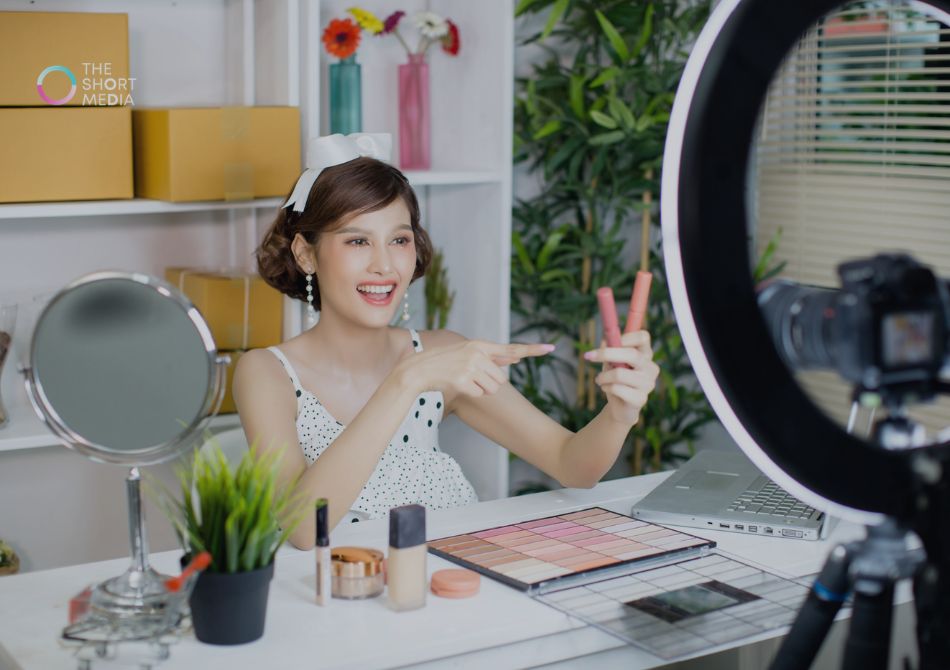
A strong tiktok influencer agency isn’t just sourcing creators and sending contracts. It’s helping brands stop making the same category mistakes over and over. For a beauty brand, that might mean dropping the over-produced launch video and putting budget into five mid-tier creators who actually know how to show texture, shade match, and wear test results in bathroom lighting. For a frozen food company, it might mean creator content that looks like a real weeknight dinner, not a food stylist’s dream sequence.
That shift affects more than TikTok itself. It changes how brands think about creative, testing, media buying, and even product feedback.
Why tiktok promotion services became more than “extra help”
A few years ago, many brands treated tiktok promotion services like an add-on. Nice if you had budget. Optional if you didn’t. That’s not really how it works anymore, especially for DTC brands, Amazon sellers, and retail launches trying to build momentum fast.
The useful tiktok promotion services are tied to execution, not vanity metrics. They help with creator matching, content briefing, usage rights, paid amplification, whitelisting, Spark Ads, comment mining, and reporting that tells you something beyond view count.
That last part matters. I’ve seen comment sections reveal objections a polished landing page completely missed. A home cleaning product got plenty of views, but the comments kept asking if it was safe on quartz. Nobody on the brand side had highlighted that in the PDP. A supplement company found that people weren’t doubting the ingredients; they were confused about when to take it. TikTok surfaced the friction before paid search data did.
That’s where tiktok promotion services start influencing broader digital strategy. They’re not just distributing content. They’re feeding insights back into ecommerce, Amazon listings, email copy, and paid social hooks.
A tiktok marketing strategy now has to include creators from the start
A lot of teams still treat creators as the amplification layer after the campaign idea is already finished. That’s backwards on TikTok.
A solid tiktok marketing strategy usually starts with creator-native ideas before the brand campaign is locked. Not every idea has to come from creators, obviously. But if the concept can’t survive in a creator’s hands without becoming stiff and awkward, it probably won’t travel.
This is one of the biggest ways agencies are changing digital marketing: they’re pushing creator input upstream.
For example, a fitness brand launching resistance bands might come in wanting to focus on product specs. Fine. But creators often know the actual hook that gets attention: “three glute moves for people who hate lunges,” or “what I wish I bought before my first Pilates class.” That’s not just creative flavor. It shapes the whole tiktok marketing strategy, including landing pages, ad cutdowns, and retargeting angles.
Same with local services. A med spa in Texas or a dental chain in Florida doesn’t need generic awareness content. They need creators who can make the service feel familiar, maybe even a little demystified. A local creator walking through a first Botox consultation or Invisalign check-in can do more than a polished brand explainer ever will. Assuming compliance is handled properly, of course.
The agency role is part talent scout, part translator, part reality check
The best agencies are slightly annoying in a useful way. They push back.
They’ll tell a brand the script is too long. They’ll say the opening shot is wrong. They’ll explain that a creator with 80,000 followers and strong comments may outperform someone with 1.2 million passive viewers. They’ll flag when a brief sounds like it was written for Instagram in 2019.
That’s why a tiktok influencer agency often ends up influencing channels outside TikTok. Once a brand sees that rougher, more specific creative performs better, the paid social team starts asking different questions. The email team borrows phrases from creator comments. The Amazon team swaps sterile product bullets for language shoppers actually use.
I’ve seen a product demo filmed in a messy kitchen beat studio footage by a mile because it answered the real concern: “Is this thing annoying to clean?” Not glamorous. Very effective.
What agencies changed for paid media teams
This part doesn’t get enough attention. TikTok creator work used to sit in a separate bucket from performance marketing. Now it’s often the raw material.
A modern tiktok marketing strategy isn’t just about posting organically and hoping something hits. It’s about building a system where creator content gets tested, cut, repurposed, and pushed through paid channels with some discipline. Not too much polish. Just enough structure to learn what’s working.
That’s where tiktok promotion services have become practical for paid teams. Instead of relying on one hero ad, brands can test multiple creators, hooks, and edits quickly. A food brand can run one video focused on convenience, another on taste, another on protein count. A home organization brand can test “small apartment fix” against “Target run regret” and see which angle earns attention and clicks.
The creative volume matters, but so does the interpretation. A decent agency won’t just tell you that creator A had the best CTR. They’ll tell you that creator B had lower click-through but stronger saves and comments, which may make them better for retargeting or top-of-funnel education.
That’s a more useful conversation than “who got the most views.”
Not every agency is good at this, honestly
Some shops still treat TikTok like influencer marketing with shorter videos. They use bloated creator lists, generic briefs, and reporting decks full of soft metrics. That’s not enough anymore.
A worthwhile tiktok influencer agency should understand content, but also paid usage rights, creator whitelisting, FTC basics, category fit, and how to brief for natural speech. If every creator says the product name three times in the first ten seconds, something has gone wrong.
The same goes for tiktok promotion services that promise reach without talking about creative fatigue, testing cadence, or how content will be repurposed after the initial post. If there’s no plan beyond the post going live, it’s probably not much of a plan.
And if the agency can’t help shape a real tiktok marketing strategy, not just a creator roster, the brand will eventually feel it.
Why this is changing digital marketing beyond TikTok
The bigger shift isn’t that agencies are helping brands get views on one platform. It’s that they’re forcing companies to work in a more audience-aware way.
Shorter feedback loops. Faster creative testing. More tolerance for imperfection. More respect for the person delivering the message, not just the message itself.
You can already see the spillover. Retail launches now build creator seeding into campaign planning much earlier. Amazon-focused brands use TikTok comment language in product titles and A+ content. Beauty brands test hooks on TikTok before rolling them into Meta. Even old-school categories like home improvement or regional service businesses are getting dragged, a little reluctantly, into creator-led content because the polished ads just don’t hold attention the same way.
A lot of this was overdue.
The agencies that matter aren’t changing marketing because they have access to creators. Plenty of people have creator lists. They’re changing it because they understand how creators, content, and distribution fit together without flattening everything into corporate sameness.
That’s harder than it sounds.
FAQs
1. What does a TikTok influencer agency actually do?
At minimum, they source creators, negotiate deals, manage briefs, and handle campaign logistics. The better ones also shape creative direction, secure paid usage rights, help with Spark Ads, and tell you which content should be repurposed for paid.
2. Are tiktok promotion services only for big brands?
Not really. Smaller DTC brands, local businesses, and Amazon sellers often get a lot out of them because they need content volume more than they need a giant brand campaign. The trick is not overspending on flashy creators before you know what messaging works.
3. How is a tiktok marketing strategy different from just hiring influencers?
Hiring influencers is one piece of it. A real tiktok marketing strategy includes content angles, testing plans, paid amplification, creator mix, posting cadence, and what happens after you learn something useful. Otherwise you’re just buying posts and hoping.
4. Do brands need huge budgets to work with creators on TikTok?
No. Some of the strongest performers come from smaller creators who know their niche and don’t sound rehearsed. I’d take a believable skincare creator with a loyal audience over a giant account reading from a stiff brief any day.
5. What kinds of brands tend to do well with TikTok creator campaigns?
Beauty, food, fitness, home products, and practical problem-solving products usually have an easier start because they demo well. But service businesses can work too. I’ve seen local clinics, realtors, and even pest control companies get traction when the content feels specific and not weirdly overproduced.
6. How many creators should a brand test at once?
Usually more than the brand wants, fewer than the agency’s biggest package deck suggests. Five to ten creators can be enough to spot patterns if the briefs are varied and the content is actually different, not ten versions of the same talking points.
7. Should TikTok creator content also be used in paid ads?
Usually yes, if rights are negotiated upfront. Organic posting alone can give you signals, but paid distribution is where you really learn which hooks travel beyond a creator’s existing audience.
8. What’s the biggest mistake brands make on TikTok?
Over-controlling the message. Close second: showing up late with trend-based content that already feels stale. You can almost hear the approval chain in the final video sometimes.