

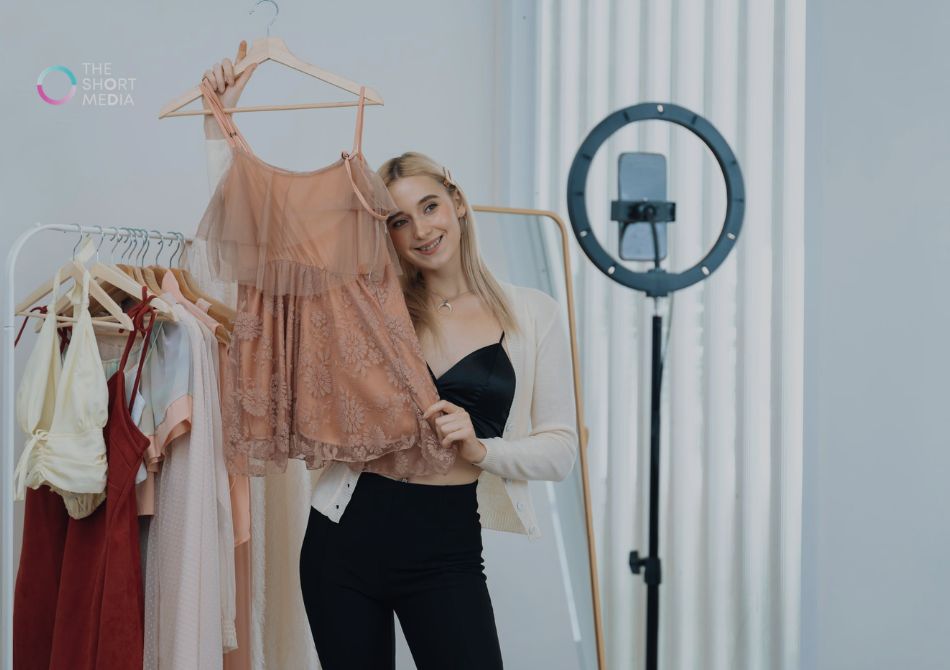
A few months ago, I watched a mid-size apparel brand spend five figures on polished launch creative for a spring drop. Clean studio lighting, careful styling, expensive edit. The content looked great. It also felt a little dead on TikTok.
A week later, a creator posted a quick try-on in her apartment hallway. Slightly rushed voiceover, one dress steamed, one not, and a very honest note about the sizing in the comments. That video moved more product.
That’s the gap fashion teams keep running into. What works in retail campaigns, lookbooks, and even Instagram often needs a full rewrite for TikTok shop marketing. Not because fashion suddenly became casual, but because the purchase path on TikTok is messier, faster, and much more tied to whether the content feels believable in the first two seconds.
The brands doing well here usually aren’t the ones with the biggest production budget. They’re the ones that understand how content, creators, offers, and in-app conversion work together.
TikTok shop marketing looks more like merchandised content than classic social
A lot of fashion brands come in thinking TikTok Shop is just another sales channel bolted onto social content. It’s not, really. It behaves more like a live storefront mixed with creator media and direct response.
That changes the job.
On a product page for a denim brand, shoppers might study fit notes, model height, inseam, returns policy. On TikTok Shop, they’re often making a decision while watching someone tug at the waistband in a bedroom mirror and say, “Okay, this actually fits better than I expected.” Different environment. Different standards.
The strongest TikTok shop marketing for fashion usually does a few things well:
– It shows movement, fit, and fabric early
– It gets specific about body type, sizing, and styling
– It uses creators who don’t sound over-rehearsed
– It treats comments like conversion research, not just engagement
That last part matters more than people think. I’ve seen comment sections reveal the exact reason a product wasn’t converting: “Is this see-through in daylight?” “Would this work for petites?” “Can you wear a normal bra with it?” If your PDP never answered those questions, TikTok will expose that pretty fast.
The fashion brands getting traction aren’t posting ads dressed up as trends
This is where a lot of teams miss it. They join a sound two weeks too late, throw product shots over it, and call it a TikTok strategy.
Fashion on TikTok Shop tends to work when the content has a clear shopping reason. Not a vague vibe. A reason.
For example, a U.S. athleisure brand might do better with “three ways this set actually holds up for a 6 a.m. workout” than with a glossy montage set to a trending audio clip. A beauty-adjacent fashion accessory brand, like silk hair wraps or spa headbands, might win with creator demos filmed at a bathroom sink instead of a branded studio. A home-loungewear label can sell a lot of units if the creator shows how the fabric looks after a wash cycle, because that’s the objection sitting in the buyer’s head.
This is where a good TikTok e-commerce agency earns its keep. Not by making things louder, but by figuring out what kind of content removes friction. Sometimes that means creator seeding at scale. Sometimes it means rebuilding the first three seconds of every asset because the hook is too generic. Sometimes it means admitting the hero SKU isn’t the right entry product for TikTok Shop.
I’ve seen a product demo filmed in a kitchen outperform a studio campaign by a mile. Not because kitchens are magic. Because the creator looked like a real customer and showed the cardigan with jeans, sneakers, and bad overhead lighting. People could picture the item on themselves.
Why creator selection matters more than follower count
Fashion brands still get distracted by reach. I get it. Big creators make internal reporting easier. But for TikTok Shop, conversion content often comes from smaller creators who know how to talk like a shopper instead of a spokesperson.
A creator reading a script too perfectly can tank performance fast. You can almost feel viewers pulling away. Especially in fashion, where fit, comfort, and confidence are subjective, the content needs some texture to it. A pause. A side comment. “I thought this was going to cling weird around the hips, but it doesn’t.” That kind of thing.
A smart TikTok e-commerce agency will usually build a mix:
The creators who can sell fit and feel
These are the people who can explain why a wide-leg pant works on a curvier shape, or why a knit top doesn’t bunch under a blazer. They don’t need celebrity status. They need credibility.
The creators who can create volume
Not every asset has to be a winner. Fashion brands often need a lot of testing to figure out what angle sticks: workwear, date-night styling, petite fit, travel packing, postpartum comfort, game-day outfit ideas. A strong TikTok e-commerce agency knows that one polished concept won’t cover all of that.
The creators who can go live without sounding like QVC
Live selling still matters, especially for launches, seasonal edits, and limited offers. But the hosts who do well usually feel like stylists or very online sales associates, not announcers. There’s a difference.
What fashion brands should expect from TikTok shop advertising Services
Paid support matters, but not in the old “just boost the hero video” sense. The better TikTok shop advertising Services are tied closely to creative testing, affiliate momentum, and product-level performance.
If a fashion brand is serious about scaling, TikTok shop advertising Services should help answer questions like:
– Which SKUs deserve spend based on actual in-app conversion, not just margin preference?
– Which creator posts should be whitelisted because they’re pulling strong click-through and hold rate?
– Where are users dropping off: video, product page, shipping sticker shock, weak reviews?
– Which offers are helping without training buyers to wait for discounts?
That’s the practical stuff. Not a bloated dashboard no one checks.
For U.S. fashion brands, especially DTC labels and Amazon-native apparel sellers, the ad side also needs to account for seasonality and inventory reality. If your linen set is finally taking off in June but the best size curve is already thin, aggressive scaling can create a customer service mess. I’ve watched brands push spend into a winner and then spend the next week apologizing in comments because half the sizes were gone.
Good TikTok shop advertising Services should work with merchandising, not against it.
The product mix matters more than most fashion teams want to admit
Not every fashion item belongs on TikTok Shop.
That sounds obvious, but teams still try to force high-consideration pieces into a format that favors quick visual understanding. A $280 tailored blazer can sell, sure, but usually not as easily as a $38 sculpting bodysuit, a two-piece lounge set, or a versatile layering top with obvious before-and-after styling potential.
The brands winning with TikTok shop marketing usually start with products that have:
– Clear visual payoff
– Easy sizing story or lots of creator proof
– Strong impulse or semi-impulse pricing
– Repeat styling potential
– A reason to be demonstrated on camera
Accessories can do especially well here too. Bags, jewelry, hats, shapewear, layering basics. Lower friction. Easier gifting. Easier basket building.
A capable TikTok e-commerce agency will often push a brand to lead with the item most likely to convert on-platform, not necessarily the one the brand wants to feature in its seasonal campaign. That can be a slightly annoying conversation internally. It’s usually the right one.
Comments, reviews, and ugly little objections
This part gets overlooked because it’s less glamorous than content production.
Fashion brands that win on TikTok Shop tend to stay close to the comments. They reply fast. They turn recurring questions into new videos. They ask creators to address common concerns directly. If ten people ask whether white pants are lined, that should become content by tomorrow, not next month.
Reviews matter too, obviously, but not just the star rating. The useful reviews mention fit, stretch, fabric weight, and whether the item matched the video. That last one matters a lot. If the product arrives looking different from what the creator showed, performance gets shaky fast.
This is another area where TikTok shop advertising Services can support the bigger picture. Paid traffic amplifies whatever is already true. If the reviews are thin, the shipping promise is fuzzy, or the product page lacks basic fit info, ads won’t fix it.
The brands that stick with it usually get less precious
That’s probably the cleanest way to put it.
The fashion teams that improve on TikTok Shop stop trying to make every asset feel campaign-ready. They test messier hooks. They let creators use their own language. They stop sanding off every opinion. They notice that a quick closet try-on from Dallas can outperform a beautiful brand video shot in Brooklyn. Annoying, maybe. Still true.
And they treat TikTok shop marketing as an operating system, not a one-off channel. Content informs product pages. Comments inform creative. Affiliate content informs paid. Merchandising informs ad pressure. It all touches.
That’s usually when things start to click.
FAQs
1. How long does it take for a fashion brand to see results on TikTok Shop?
It depends on how ready the brand is before posting anything. If the product pages are weak, creator outreach is slow, and no one has a plan for comments, it drags. If the offer is solid and the content testing starts fast, you can usually spot early signals within a few weeks.
2. Do luxury or premium fashion brands work on TikTok Shop?
Some do, but they need the right product entry point. A premium label may struggle selling its highest-ticket pieces first, while accessories, basics, or a hero item with obvious fit appeal can perform better. The content also has to relax a little. Overproduced luxury creative often feels stiff here.
3. Should fashion brands use influencers or affiliates?
Usually both. Influencers can help with reach and brand perception, while affiliates are often more useful for steady sales content. The mistake is assuming the same creator will be great at both.
4. What kind of fashion products sell best?
Items with visible transformation or easy styling tend to move faster. Think shapewear, denim, matching sets, layering tops, occasion dresses, or accessories that finish an outfit quickly. Complicated sizing and subtle fabric stories are harder, though not impossible.
5. Are live sessions worth it for apparel brands?
They can be, especially around launches and promos. But a boring live is painful. If the host can’t talk naturally about fit, pairings, and common objections, it turns into background noise.
6. How important are discounts?
Helpful, but not magic. A weak product-video fit won’t be saved by 15% off. On the other hand, a limited-time bundle or first-order incentive can help push shoppers who are already close.
7. Can a small brand handle this without an agency?
Sure, if the team is scrappy and someone owns the channel properly. But once creator management, affiliate tracking, paid testing, and shop operations start piling up, outside help can save a lot of time. That’s often where a TikTok e-commerce agency becomes useful.
8. What should brands look for in TikTok shop advertising Services?
Ask how they approach creative testing, creator whitelisting, SKU selection, and in-app conversion issues. If the conversation stays too high-level, that’s not a great sign. Good TikTok shop advertising Services should sound a little operational, because that’s what the work actually is.