

A lot of enterprise teams show up to TikTok with the same bad habit: they treat it like a media buying channel first and a culture channel second.
You can usually spot it fast. The creative looks expensive. The hook is polished. The brand team signed off on every line. And then the comments are full of stuff like, “Why does this sound like a commercial?” or “Nobody talks like this.” Not brutal, exactly. Just honest.
That’s usually the moment a bigger brand starts looking for a TikTok marketing agency.
Not because they need someone to post three videos a week. They need a team that understands how TikTok actually behaves when you’re managing legal approvals, retail timing, multiple product lines, paid spend, creator relationships, and internal stakeholders who still want proof before they loosen the process.
For enterprise brands in the USA, long-term growth on TikTok rarely comes from one viral hit. It comes from building a system. Creative testing, creator sourcing, paid amplification, comment mining, trend judgment, and a content engine that can keep moving without making the brand look like it joined a trend two weeks too late.
Why enterprise TikTok gets messy fast
Smaller brands can get away with improvising. A founder films in the warehouse, a creator posts a rough demo, the team reacts quickly. Enterprise brands don’t have that luxury.
There are more approvals. More brand risk. More pressure to tie activity back to retail sales, ecommerce revenue, Amazon lift, or store traffic. And there’s usually a gap between what the brand thinks TikTok wants and what actually performs there.
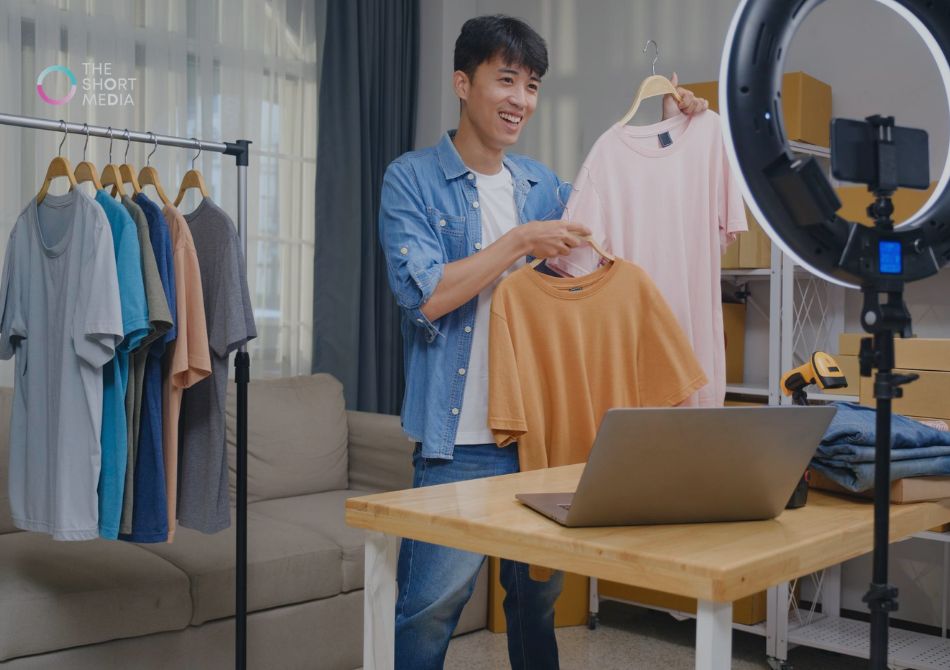
I’ve seen national beauty brands spend weeks refining a launch video, only to have a simple GRWM-style clip from a creator outperform it by a mile. Same product. Same offer. Different feel. The creator sounded like she’d actually used it. The brand spot sounded like legal had the final edit.
That’s where a TikTok Agency starts earning its keep. Not by chasing every trend, but by helping a large brand build a repeatable process for content that feels native enough to work and structured enough to scale.
A TikTok marketing agency is really building an operating model
The strongest enterprise partnerships don’t revolve around “posting content.” They revolve around turning TikTok into an ongoing feedback loop.
A good TikTok marketing agency will usually help with a few things at once:
Creative that doesn’t die in approvals
Enterprise teams often over-polish TikTok creative. It happens for understandable reasons. Brand standards matter. So does compliance. But if every video feels like a 30-second ad cut down from TV, performance gets ugly fast.
A solid TikTok brand marketing agency knows how to build concepts that can survive internal review without losing the rough edges that make people keep watching. That might mean scripting less. Or filming product demos in a real kitchen instead of a white cyc wall. I’ve seen a home cleaning product do better with a slightly awkward handheld spill demo than with a glossy studio setup that cost ten times more.
Not because lower production is always better. It isn’t. It’s just that TikTok punishes content that feels over-rehearsed.
And honestly, creators reading scripts too perfectly is still one of the easiest ways to tank a video.
Creator systems, not one-off influencer lists
Enterprise brands often say they want creators, but what they really have is a spreadsheet of names and no system for testing them.
A TikTok Agency can build a creator pipeline that matches business goals. For a fitness brand, that may mean testing trainers, busy moms, and recovery-focused creators separately because each angle sells a different part of the product. For a food brand in big-box retail, it may mean creators who are good at “come shop with me” content near Target or Walmart, not just recipe creators with pretty kitchens.
The better TikTok brand marketing agency teams also know that creator performance isn’t just about follower count. Some of the strongest paid assets come from mid-tier creators who look believable on camera and know how to show a product without sounding like they swallowed a brief.
That matters over time. Enterprise growth comes from finding repeatable creator formats, not getting lucky once.
Paid and organic should talk to each other
This sounds obvious, but plenty of enterprise teams still split TikTok into separate silos. Social handles organic. Paid social runs Spark Ads or conversion campaigns. Influencer sits somewhere else. Ecommerce wants ROAS. Retail marketing wants awareness.
Then nobody shares what the comments are saying.
A good TikTok marketing agency closes that gap. If a skincare product keeps getting comments about pilling under makeup, that’s not just community management noise. That’s messaging input. If a protein snack gets strong watch time when creators show it in a car between errands, that may be a better paid angle than the polished gym footage the brand planned around.
The comments section on TikTok is often doing research work that enterprise brands pay other vendors to do. Not perfectly, sure. But there’s real value there if someone is paying attention.
What long-term growth actually looks like
For enterprise brands, TikTok growth usually gets more durable when the team stops chasing spikes and starts measuring patterns.
That’s less exciting to talk about, but it’s the truth.
A TikTok brand marketing agency that’s worth keeping will help a brand answer questions like:
– Which creator archetypes drive efficient paid performance?
– What hooks work by product category?
– Which objections keep surfacing in comments?
– What retail moments deserve TikTok-specific content instead of repurposed launch assets?
– What kind of organic posts are worth turning into paid ads?
For example, a DTC beauty brand may learn that “first use” reactions pull strong CTR, but “full routine” videos hold attention longer and lead to better branded search lift. An Amazon-focused home product might find that side-by-side comparison videos convert better than aesthetic demos. A local service franchise in the USA may discover that market-specific videos with actual technicians outperform national brand creative because people want to see the truck, the neighborhood, the person showing up.
That’s the stuff that compounds.
A TikTok Agency should be documenting those patterns, not just sending over monthly reports with vague words like engagement and awareness.
The agency relationship works better when enterprise teams let go of a few old habits
Not all friction is the agency’s fault. Some of it comes from how enterprise brands are set up.
If every asset needs six rounds of approval, TikTok timing gets wrecked. If legal requires exact scripts for creator content, the read will feel stiff. If the brand only approves concepts that already look safe in a deck, it’ll keep getting content that performs like a deck.
A good TikTok marketing agency can push back on that, at least a little. The useful ones will explain why a video needs a looser opening, why a creator should say the line in their own words, why trend participation only works if the team can move this week, not next month.
And to be fair, enterprise brands do need guardrails. Nobody’s asking a public company to freestyle its way through social. But there’s a middle ground between chaos and over-control. The best TikTok brand marketing agency partners help brands find it.
Choosing a TikTok Agency for the long haul
The flashy pitch isn’t the hard part. Lots of agencies can show a viral case study.
What matters more is whether the TikTok Agency can build a working system inside a big organization. Can they manage creators at volume? Can they produce enough variations to support paid testing? Can they work with brand, legal, ecommerce, retail, and paid social without turning every meeting into a translation exercise?
Ask how they handle creative fatigue. Ask what they do when a trend doesn’t fit the brand. Ask how they mine comments and feed those insights back into scripts, landing pages, and ad angles. Ask for examples beyond beauty and fashion, too. TikTok can work for food, supplements, home products, Amazon sellers, even regional service brands, but the playbook shifts.
The right TikTok brand marketing agency won’t pretend every category works the same way. That’s usually a good sign.
FAQs
1. What does a TikTok marketing agency do for an enterprise brand that an in-house team usually can’t?
Mostly scale and specialization. In-house teams often know the brand better, but a TikTok marketing agency usually has creator sourcing systems, editing workflows, paid testing experience, and a better sense of what’s already getting stale on the platform.
2. How long does it take to see results on TikTok?
Depends what you mean by results. If you’re looking for early creative signals, sometimes you’ll see them in a few weeks. If you’re trying to build a repeatable engine for ecommerce or retail lift, give it a few months. Enterprise brands move slower, and that affects the timeline whether anyone likes it or not.
3. Is a TikTok Agency only useful for paid ads?
Not really. Paid matters, obviously, but a TikTok Agency is often most useful when it connects organic content, creator content, and paid amplification instead of treating them like separate jobs.
4. How do enterprise brands measure long-term TikTok growth?
They usually need more than one metric. Efficient paid performance matters, but so do branded search trends, creator whitelisting performance, retail sell-through during launches, Amazon conversion rate, and even recurring comment themes. Sometimes the comments tell you why the landing page isn’t doing its job. That’s not rare.
5. What should brands look for in a TikTok brand marketing agency?
Look for pattern recognition, not just flashy edits. A good TikTok brand marketing agency should be able to explain what they learned from testing, what changed because of that learning, and how they work around enterprise approval bottlenecks without making every video feel corporate.
6. Can TikTok work for less “fun” categories like home services or household goods?
Yeah, absolutely. It just won’t look like a beauty brand feed. A plumber, pest control company, or cleaning product line in the USA can do well with before-and-after footage, quick demos, technician personality, and local context. Pretty simple, actually.
7. Do enterprise brands need big creators to win on TikTok?
Usually not at first. Many brands get better performance from smaller creators who feel believable and can film decent product use content at volume. Big names can help with reach, but they’re not a shortcut to a working content system.
8. How often should a TikTok brand marketing agency refresh creative?
More often than most enterprise teams expect. If you’re running paid media, fatigue can show up fast. Good agency partners are usually planning the next batch before the current one fully burns out, which is less glamorous than a viral moment but a lot more useful.
Long-term TikTok growth for enterprise brands isn’t really about cracking the algorithm. It’s about building a content and testing machine that can keep learning. That’s why the right TikTok marketing agency tends to matter less as a vendor and more as an operating partner.