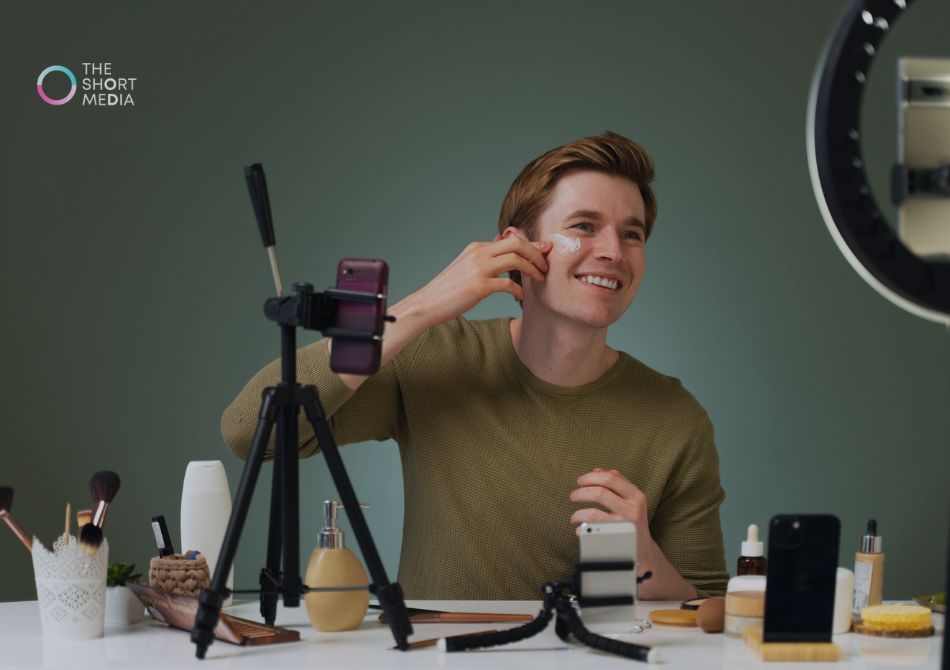
A skincare founder I know spent $18,000 on polished vertical video last fall. Clean lighting, nice set, pro editor, all of it. The ads looked expensive. They also died fast.
A week later, her team tested a rougher clip filmed on an iPhone in someone’s apartment bathroom. The creator was applying the product while half-talking through why she’d stopped using a much pricier serum. There was a little sink clutter in the frame. Comments came in with the usual stuff—“does it pill under makeup?” “is this good for rosacea?”—but the click-through rate jumped, and the cost per purchase dropped enough to make the earlier production look kind of silly.
That’s the part some brands still resist. With tiktok business ads, the issue usually isn’t “how do we make better-looking creative?” It’s “how do we make ads that feel like they belong in the feed without turning into mushy trend-chasing?”
In 2026, that gap matters even more. The advertisers doing well on TikTok aren’t just making louder videos. They’re building creative systems that move fast, answer objections, and actually look like a person made them.
Why tiktok business ads still fail when the media plan looks fine
I’ve seen paid social teams obsess over audience settings, bid strategies, and account structure while the creative is clearly the problem. Not always. But often enough.
A lot of advertising on tiktok falls apart for very ordinary reasons:
– the hook takes too long
– the creator sounds like they memorized a script
– the product benefit is too vague
– the brand joins a trend about two weeks too late
– the ad says “easy to use” while the comments are full of people asking how it actually works
That last one shows up constantly. Comments are useful because they expose the stuff your landing page forgot to explain. A home cleaning brand might think the selling point is “non-toxic and fresh-smelling,” while the comments are all about whether the refill pouch leaks under the sink. A fitness app might push “personalized plans,” but the audience wants to know if there are workouts under 20 minutes for people in small apartments.
Good tiktok business ads don’t dance around those questions. They bring them into the ad.
The creative shift: less campaign thinking, more iteration
The brands that are getting somewhere with advertising on tiktok in the USA tend to stop treating each batch of ads like a mini Super Bowl launch. They test more angles, more creators, more opening lines, more proof.
That doesn’t mean “make junk and hope.” It means your process has to support volume without turning generic.
For example, a food brand launching in Target might test:
Different hooks for the same product reality
One creator opens with: “I bought these because I was tired of protein bars that taste like drywall.”
Another starts in a car after the gym, showing the wrapper and saying she found them at Target for under $3.
Same product. Different entry point. Different buyer motivation.
A lot of teams still brief creators with one approved message and one required intro. That’s usually where things get stiff. A decent tiktok ad agency will push back on that and ask for room to test variations, because the first two seconds matter more than the seventh brand bullet on the brief.
What better advertising on tiktok actually looks like
Not prettier. More specific.
If you’re selling a beauty product, show texture, application, wear test, and a realistic skin concern. Don’t just hold the bottle near a window and smile. A foundation ad filmed in a kitchen at 7:15 a.m. while someone gets ready for work often beats the studio version because it answers a real use-case. People can tell when the setup is too controlled.
For home products, utility wins more often than mood. A mop ad that shows dirty grout water in the bucket will usually get more traction than a lifestyle montage of a spotless living room. Slightly gross visuals work. Not elegant, but true.
For local services in the USA—med spas, dentists, HVAC companies, even family law firms—advertising on tiktok works better when the business stops pretending it’s a national lifestyle brand. A Phoenix med spa can run with a receptionist explaining what first-time Botox clients usually ask. A Dallas roofing company can show hail damage on actual homes in the area after a storm. That kind of specificity gives people something to respond to.
When to bring in a tiktok ad agency
Some brands absolutely should keep TikTok in-house. Especially if they already have a strong content team, fast editing support, and someone who can manage creator relationships without making every video feel over-approved.
But there are points where a tiktok ad agency earns its keep.
You need creative throughput, not just account management
A lot of agencies say they do TikTok because they can traffic ads in Ads Manager. That’s not enough. If your problem is stale creative, then hiring someone to rename campaigns and send weekly reports isn’t going to fix much.
A solid tiktok ad agency should help with:
– creator sourcing and briefing
– hook testing
– editing for retention, not just aesthetics
– comment mining
– angle development based on actual objections
– fast refresh cycles when fatigue sets in
That last part matters. By the time some brands approve a revision, the winning concept is already worn out.
You’re too close to the brand voice
This happens a lot with founders. They want every ad to sound “on brand,” which usually means cleaned up, careful, and a little lifeless. An outside tiktok ad agency can sometimes protect the ad from the brand itself. Nicely, ideally.
I’ve watched creators tank performance by reading legal-safe messaging too perfectly. The second it sounds like a compliance-approved script, comments slow down and watch time drops. You can feel it.
The formats working harder in 2026
There isn’t one winning format, but a few patterns keep showing up in strong tiktok business ads.
Creator demos with a point of view
Not generic testimonials. A point of view.
A runner explaining why she switched electrolytes because the old one upset her stomach. A mom showing the lunch container that actually stopped strawberries from getting crushed. An esthetician comparing two cleansing methods and casually admitting one is overhyped.
Specific opinions tend to carry more weight than soft praise.
Comment-led creative
This is one of the easiest wins in advertising on tiktok, and teams still underuse it. Pull a real comment into the first frame: “Wait, does this work on textured hair?” Then answer it on camera.
A lot of Amazon sellers do this well because they’re used to product objections being painfully visible. Same with DTC brands that read reviews closely.
Side-by-side proof
Messy countertop before and after. Split-screen stain test. One pan with the product, one without. A retail snack launch with actual taste reactions from people in a Costco parking lot. Not glamorous, but useful.
Founder or employee cameos, used sparingly
Sometimes a founder video works because the person knows the product better than any creator. Sometimes it flops because the founder talks like they’re pitching seed funding.
Employees can be better, honestly. The warehouse lead showing how orders are packed. The salon manager explaining which service people book by mistake. Those clips feel less rehearsed.
tiktok business ads need an organic brain, even when they’re paid
This is where some teams get weirdly rigid. Paid and organic don’t need to be run by the same person, but the ad team should understand what native content feels like right now.
Not every ad has to mimic organic TikTok. That’s oversimplified. But if your paid creative ignores how people are speaking, editing, reacting, and commenting on the platform, it starts to feel imported from somewhere else.
And people scroll.
A good tiktok ad agency usually has an advantage here if they’re actually watching the platform every day, not just pulling benchmark decks. Same goes for in-house teams that spend time in the feed and not only in reporting dashboards.
A practical way to build a better testing loop
If your team is serious about improving advertising on tiktok, keep the system simple:
Test one product with multiple hooks.
Test one hook with multiple creators.
Test one creator with multiple edits.
Then read comments before writing the next round.
That’s it. Not elegant, but it works.
The brands that improve fastest usually aren’t the ones with the biggest budgets. They’re the ones willing to admit the first version was too polished, too vague, or just a little late to the party.
FAQs
1. How many creatives should a brand test at once on TikTok?
More than most teams are comfortable with. If you only launch two or three ads, you usually learn very little besides which one lost less money. Six to ten variations around one core angle is a healthier start.
2. Do polished videos still work, or is “raw” always better?
Polished can work. It just can’t feel sterile. There’s a difference between clear lighting and overproduced energy. Some beauty and luxury brands still need a certain level of finish, but even then, the ad usually performs better when the person on camera sounds like a human and not a script reader.
3. Is hiring a tiktok ad agency worth it for a small business?
Sometimes, yes. Especially if the business owner is trying to run ads, shoot content, answer DMs, and handle fulfillment all in the same week. But if the agency doesn’t have a real creative process, skip it. You’ll pay for meetings and slides.
4. What budget do you need for advertising on tiktok in the USA?
You can start testing with a modest budget, but creative production matters as much as media spend. I’ve seen local service brands learn useful things on a few thousand dollars. I’ve also seen DTC brands burn five figures because the ads were weak from the start.
5. Should brands use trends in their ads?
Only if the trend fits the product and you can move quickly. If legal review takes 12 days and the sound peaked last week, let it go. Chasing trends late is one of the easiest ways to make a brand look awkward.
6. How long should TikTok ads be in 2026?
There isn’t a magic number. Short works when the product is obvious and visual. Longer can work when the explanation is part of the sale—skincare, supplements, kitchen tools, software. The real question is whether the first few seconds earn the rest.
7. What’s the biggest mistake in tiktok business ads right now?
Trying to sound approved. That’s the cleanest way I can put it. When every line has been rounded off by too many stakeholders, the ad loses friction, personality, and usually performance too.
8. Can local businesses really get results from TikTok ads?
They can, if the content reflects local reality. Show the actual storefront, actual staff, actual customer concerns. A Chicago orthodontist talking through Invisalign pricing anxiety will usually connect better than a generic “book now” promo with stock-style footage.