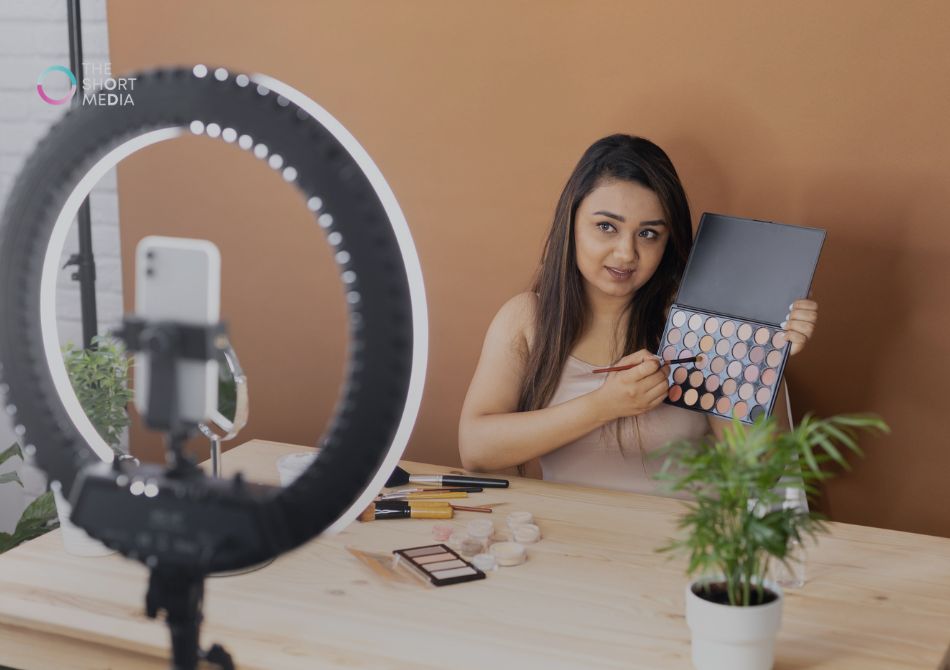
What Makes a Winning TikTok Ad Agency for U.S. Brands
I’ve seen this happen more than once: a brand spends three weeks getting “TikTok-ready,” signs off on polished scripts, books a nice studio, and ends up with ads that look expensive and perform like wallpaper. Then somebody on the team films a quick product demo at home — bad overhead lighting, slightly messy counter, real voice, real use case — and that version cuts CAC by 30%. That’s usually the moment a company realizes they don’t just need help buying media. They need a tiktok ad agency that actually understands how people behave on the platform, how creators shoot, and how U.S. consumers react when something feels too branded too fast. And honestly, that’s where a lot of agencies fall apart. A good tiktok ad agency doesn’t treat TikTok like Meta with louder music This sounds obvious, but it’s still the most common mistake. Plenty of teams say they offer TikTok support when what they really mean is: they can resize your Instagram creative, add captions, and run spend through Ads Manager. That’s not enough. A strong tiktok ad agency knows TikTok creative has its own pacing, its own visual language, and its own tolerance for selling. If an ad opens like a traditional direct-response spot, people are gone. If a creator reads a script too perfectly, comments get weird fast. You can almost feel the audience backing away. The better agencies build around behavior, not format. They know a skincare ad for U.S. shoppers in Texas or California might need very different hooks depending on whether the customer is skeptical, trend-aware, price-sensitive, or already seeing the product on Amazon. They know a food brand launch in Target needs different social proof than a DTC supplement trying to survive on first-purchase ROAS. That difference matters. What the best tiktok ads agency teams actually do A real tiktok ads agency isn’t just handing over a media plan and asking for five UGC videos a month. The good ones are usually doing a few things at once, and doing them fast. They obsess over the first two seconds Not in a vague “hook matters” way. I mean they’ll actually look at ten openings for the same product and know why one works. For example, a home cleaning brand might test: – a founder talking to camera – a creator showing a gross sink before the reveal – a side-by-side comparison in a kitchen – a comment-led hook pulled from customer objections A mediocre team picks the prettiest one. A sharp tiktok ads agency notices that the kitchen demo with the awkward camera angle is outperforming because it feels like a real person solving a real mess, not a brand trying to impress you. That kind of judgment usually comes from experience, not decks. They understand creator direction without over-directing This is a big one. Some agencies are terrible at creator management. They send scripts that read like legal copy with emojis dropped in. Then they wonder why the content feels dead. The better tiktok advertising services leave room for creators to sound like themselves while still hitting the selling points. They’ll give a structure, maybe a claim guardrail, maybe a product truth to anchor to — but they won’t iron out the personality. I’ve seen creators improve performance just by changing one stiff line into something they’d actually say. Small thing. Big difference. They use comments as research, not just moderation A lot of valuable messaging is sitting right there in the comments section. Price objections. Shade-matching confusion. Shipping concerns. Questions the product page forgot to answer. Good tiktok advertising services treat comments like live market feedback. If people keep asking whether a protein powder tastes chalky, that should show up in the next round of creative. If a beauty product gets questions about textured skin or mature skin, that’s not a community management issue — that’s a creative opportunity. You’d be surprised how often comments reveal the real barrier to purchase. The U.S. angle matters more than agencies admit If you’re selling in the USA, your agency needs to understand the market beyond broad demographics. “Women 18–34” is not a strategy. A tiktok ad agency working with U.S. brands should know the difference between a coastal beauty audience that’s already saturated with creator content and a Midwest household buyer who cares more about practical proof than aesthetic polish. Same platform, different sale. This comes up constantly with retail and Amazon brands. A CPG snack launch in Walmart needs content that feels familiar and easy to trust. An Amazon gadget might need a harder demo and more proof because shoppers have seen too many overhyped products. A local med spa or dental chain in Florida probably needs geo-specific creative and tighter conversion tracking, not just broad awareness content. The stronger tiktok advertising services teams build for those differences. They don’t pretend every account should run the same creator package and scaling model. Creative volume is nice. Creative judgment is better. A lot of agencies sell volume: 30 assets, 50 assets, 100 assets. Fine. Sometimes you do need a lot of swings. But creative volume without taste gets expensive. The best tiktok ads agency teams know when a concept is tired, when a trend is already late, and when a brand is forcing itself into a format that doesn’t fit. I’ve watched companies join a TikTok trend about two weeks too late because someone wanted to “show relevance.” Usually painful. Usually obvious. A winning agency should be able to say: this trend is done, this creator is too polished for your brand, this script sounds approved by six people, this testimonial is believable, this one isn’t. That kind of honesty saves money. And for what it’s worth, some of the strongest tiktok advertising services work I’ve seen came from very unglamorous footage: a supplement scoop in a real kitchen, a dog hair vacuum demo on a scratched-up floor, a postpartum fitness product explained by someone who actually looked tired. Not sloppy, just … Read more