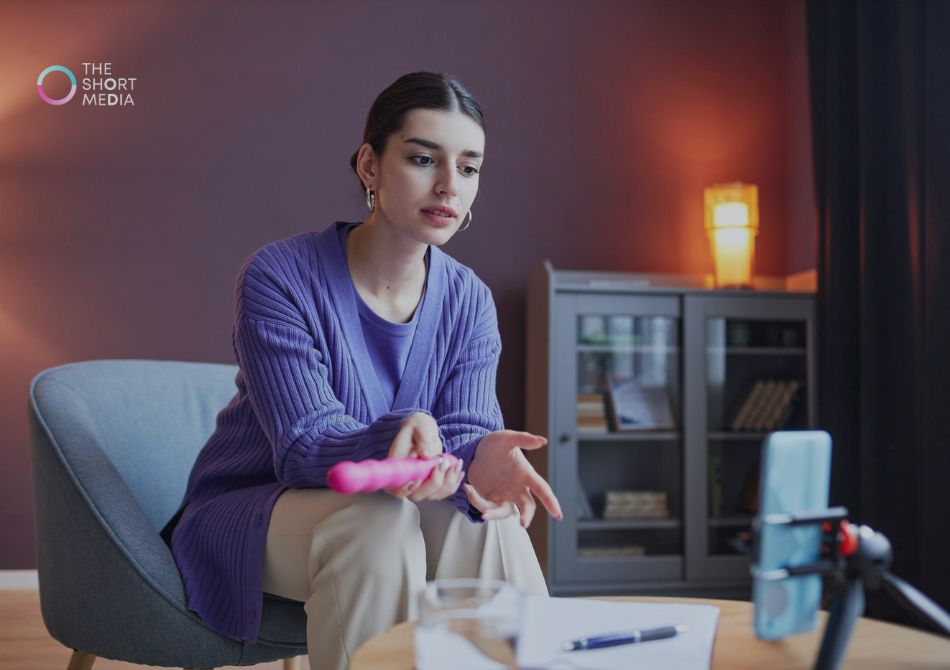
TikTok Hooks That Convert for US-Based Brands
In the competitive environment of social advertising, TikTok business advertising has been an effective means for US-based businesses to rapidly increase their visibility and reach tangible results. However, in contrast to other online platforms, where the end goal of advertising is to maximize impressions and clicks, TikTok requires advertisers to master the art of the hook, which is the first part of the advertisement that determines whether the user will continue watching the video or simply scroll away in a matter of seconds. TikTok Ads Management professionals are always emphasizing that the key to successful advertising campaigns is having effective hooks, which ignite attention and action, resulting in translating brief viewership into meaningful engagement and, ultimately, tangible business results. The hook is more than just a means to grab someone’s attention; it is the artfully crafted entry point of a story that holds the promise of value to the viewer within the first three seconds of the advertisement. It immediately ignites curiosity, relevance, and the promise of benefit or insight that will drive the viewer to invest their cognitive and emotional resources into the content. For US businesses advertising on TikTok, the ability to master the art of creating hooks that connect with target audiences can be the difference between a campaign that languishes in anonymity and one that delivers significant conversions. The TikTok algorithm rewards content that holds the viewer’s attention, and without the hook that ignites interest, even the most sophisticated advertising content may fail to break through the initial barrier of indifference. TikTok Ads Management services assist brands in dealing with the process of identifying, testing, and optimizing hooks that work well on a consistent basis. This needs understanding of audience psychology, utilization of data-driven insights, and quick iteration to optimize messaging that works well with users’ interest and behavior patterns. In this blog, we will explore the significance of hooks in TikTok ads for business, types of hooks that work, how brands test hooks, and how professional management can assist in scaling successful hooks to reach conversions and ROI. Why Hooks Matter The initial three seconds of a TikTok ad are perhaps the most pivotal point of any paid ad campaign, as this short span of time decides whether a user will interact with or ignore a video. When brands pay money on advertising on TikTok ads, they have to keep in mind the initial three seconds as a point of no return. The TikTok algorithm is sensitive to user responses almost instantly; quick skips and drop-offs signal a lack of relevance, resulting in minimized distribution, while sustained engagement signals value and potential for performance. In this context, hooks are no longer optional creative components but essential accelerators that unlock algorithmic favorability. Perceptual Invitation First, hooks offer a perceptual invitation. The most effective TikTok ads for business offer hooks to communicate to the viewer what they have to gain from watching the video further, whether it is an interesting fact, a solution to a common problem, an emotionally engaging scenario, or a direct appeal to curiosity. Without the invitation, the viewer has no reason to pause their scroll. The first three seconds are a psychological barrier; a promise must be made, or attention is lost. This is especially true in the US market, where viewers are already saturated with content and have high expectations for relevance and entertainment value. Fast Filtering Second, hooks enable fast filtering. Viewers essentially filter themselves out by making a decision within seconds of whether they want to continue watching. A good hook enables the viewer to quickly determine if the content is of interest to them or their interests. This filtering capability is particularly important for TikTok Ads Management as it enables the viewer’s behavior to be in sync with the brand’s objectives, ensuring that the right people are exposed to the ad experience early on. Impact on Key Metrics Finally, hooks enable a direct impact on the metrics that matter most to advertisers, such as watch time, completion rates, engagement, click-throughs, and conversions. These metrics serve as an indicator to TikTok’s algorithm, which determines whether a video should be shown to a wider audience. As such, brands that optimize their hooks for maximum retention not only optimize their ad experience but also the scalability and cost-effectiveness of their campaigns. Hooks That Convert Hooks that convert require a deep understanding of the viewer’s motivations, pain points, and triggers. While creativity and originality are key, some types of hooks have been tested and proven time and again to be effective in TikTok ads for business, regardless of industry and marketing objectives. Among the most effective are hooks that are based on benefits, pain points, and questions, each of which is intended to quickly capture the viewer’s attention and signal value to the viewer. Clear Benefits Clear benefits are direct hooks that convey to the viewer what they can gain by watching the video. These may include time savings, cost advantages, beauty improvements, or lifestyle upgrades. A hook that begins with “Save 20 minutes every morning with…” will immediately convey a clear benefit to a viewer who is interested in saving time. For US brands advertising on TikTok ads, the conveyance of clear benefits in the first few seconds of the video tells the viewer exactly why the video is of interest to them, increasing the likelihood of retention and conversion. Clear benefits are most effective when they are directed at specific audience segments who have a known preference or need, creating instant buy-in. Pain Points Pain points are hooks that target a problem that the audience is likely experiencing and therefore position the video as the solution to the problem. A hook that begins with “Tired of paying too much for…?” or “Sick of ineffective skincare products that…” will resonate with the frustration that many viewers are likely experiencing but may not have articulated as a problem. This is a fantastic way to create empathy and let the viewer … Read more