
Short Media

Can B2B Companies Really Succeed on TikTok?
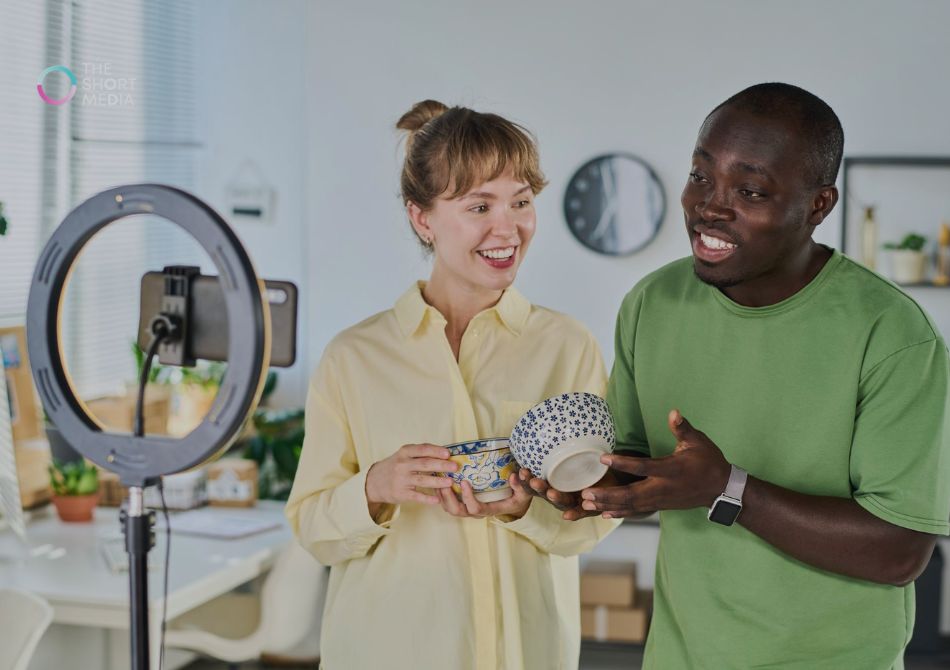
B2B Companies

I’ve watched a SaaS founder spend three weeks approving a 22-second TikTok, only for the final post to sound like a trade show brochure with trending audio under it. It did nothing. A month later, the same company posted a scrappy clip of their customer success lead explaining the one onboarding mistake new clients kept making. Shot at her desk. Slightly bad lighting. Comments came in from actual prospects asking follow-up questions. That’s usually the split right there. B2B companies can do well on TikTok, but not when they treat it like a shorter webinar or a glossy brand campaign. And not when they show up two weeks late to a trend their legal team finally approved. A lot of B2B teams still assume the platform is mostly for beauty hauls, food clips, fitness creators, and home gadgets. Fair enough. Those categories are everywhere. But that doesn’t mean business buyers stop being people when they open the app. The real issue isn’t whether B2B belongs on TikTok. It’s whether the company can make something worth watching. What a TikTok social media agency sees B2B brands get wrong Most B2B marketers don’t fail because their industry is “too boring.” They fail because their content sounds like internal messaging docs. You can see it fast. The person on camera is reading a script too perfectly. Every line has been sanded down until there’s no opinion left. The hook says something vague like “3 ways to improve efficiency,” which could apply to payroll software, warehouse tools, or a dentist’s front desk. Nobody stops scrolling for that. A good TikTok social media agency usually pushes clients away from that polished, over-approved style. Not because polish is always bad, but because TikTok tends to expose content that feels overworked. Especially in B2B, where the interesting stuff is often hiding in the specifics: – the sales objection that keeps showing up in comments – the feature customers misuse in week one – the spreadsheet workaround your product replaced – the weird industry myth everyone repeats even though it’s outdated That’s where the content starts to breathe a little. I’ve seen a logistics software brand get more traction from a plainspoken video about why shippers mistrust “real-time visibility” claims than from an expensive launch asset. Same thing with a cybersecurity company that posted a quick breakdown of the most common phishing test fail inside mid-size teams. Not flashy. Useful. Slightly opinionated. That part matters. B2B TikTok works better when the company has a point of view This is where a TikTok branding agency can help, especially if the internal team keeps drifting toward safe, forgettable content. B2B companies often think brand voice on TikTok means being more casual. That’s not enough. Casual and bland is still bland. What tends to work is a clearer point of view. Maybe your operations platform is tired of hearing founders talk about “scaling” when their inventory process is still held together by Slack messages. Maybe your HR software team has seen enough broken hiring workflows to say, bluntly, what’s wasting everyone’s time. That kind of content gives people something to react to. A TikTok branding agency worth hiring won’t just ask for logos, fonts, and messaging pillars. They’ll try to find the tension in your category. For a B2B payments company, that might be the disconnect between what finance teams want and what sales teams promise. For a local service franchise platform in the USA, it might be the mess between lead generation and actual scheduling. For an Amazon products analytics tool, it could be the gap between dashboard metrics and what sellers really need to know before reordering inventory. That’s more interesting than “here are our features.” Short video marketing is useful long before it drives a lead This is the part some B2B teams resist. They want a direct line from post to demo request. Sometimes that happens. Usually, it’s messier. Short video marketing on TikTok often works earlier in the buyer journey. It helps a company become familiar before a prospect ever lands on the website. It sharpens messaging. It reveals what people actually care about, or what they don’t understand. Honestly, the comments can be more useful than a research deck. I’ve seen comments expose objections the sales page completely missed. One manufacturing software company kept talking about automation speed, while commenters kept asking whether the system worked with old equipment already on the floor. That should have been front-and-center in the messaging. Nobody on the brand side had framed it that way. For B2B teams, short video marketing can also be a testing ground. You can try angles fast: The expert face works better than the faceless brand, usually A founder, product lead, account manager, or engineer with decent camera presence often outperforms a generic brand account voice. Not always. But often enough that it’s worth saying. People don’t need a full personal brand circus. They just need someone who sounds like they’ve actually been in the room. A RevOps consultant explaining why CRM cleanup projects drag on. A warehouse ops manager showing the tiny process issue that causes late shipments. A procurement lead reacting to a bad vendor pitch. Those videos feel lived-in. That’s a big advantage for short video marketing in B2B. You can make expertise visible without turning every post into a formal lesson. You do not need to dance around your software Still worth saying because some executives are weirdly worried about this. A TikTok social media agency working with B2B clients usually isn’t trying to force meme content where it doesn’t belong. The better agencies know the difference between participating in platform culture and embarrassing a client. There’s a middle ground. A dry joke about compliance paperwork? Fine. A trend adaptation that actually fits your category? Maybe. A CTO lip-syncing to something random because “we need to look fun”? Probably not. Where B2B companies in the USA actually have an edge A lot of US-based B2B companies already sit on … Read more
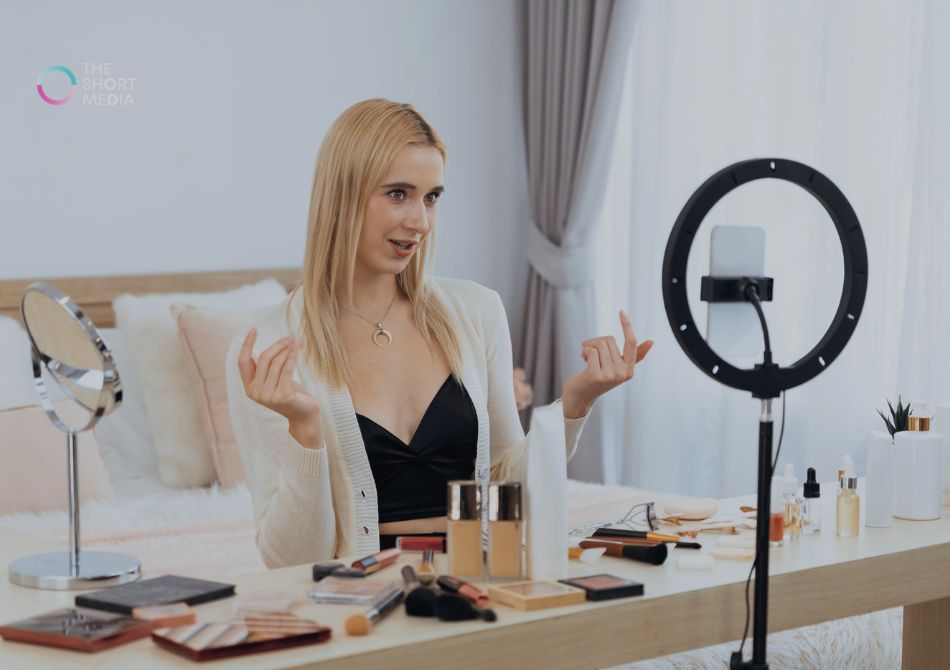
TikTok Marketing for Luxury Brands: What Actually Works

TikTok Marketing for Luxury Brands

I’ve seen luxury teams spend $40,000 on a glossy video shoot, cut it into TikTok-sized edits, post it with a trending sound, and then act surprised when it lands with a thud. Not because the product was bad. Usually the product was great. The problem was the content still felt like an ad somebody had politely cropped for a vertical feed. Luxury on TikTok is awkward for a lot of brands at first, especially in the US market where the platform moves fast and shoppers can smell overproduction in about half a second. A handbag brand wants control. A skincare founder wants pristine visuals. A premium home brand wants everything color-matched, lit perfectly, approved by six people. TikTok doesn’t always reward that. That doesn’t mean luxury can’t work there. It absolutely can. But TikTok brand marketing for premium products looks different from what many brand teams expect. Luxury brands don’t need to act casual. They need to act native. There’s a difference. A lot of marketers hear “TikTok” and immediately think they need to be goofy, trend-chasing, overly self-aware, maybe even a little chaotic. That’s usually where things go sideways. A luxury brand doesn’t need to dance, force memes, or pretend it’s a Gen Z intern with a ring light. What it does need is content that feels like it belongs on the platform. For a luxury fragrance brand, that might mean a creator filming a close-up texture shot on a bathroom counter in natural light, then talking through why the scent feels expensive without reading from a script. For a premium kitchenware brand, it might be a chef using the pan during an actual dinner prep, not a studio demo with floating herbs and dramatic music. I’ve watched a product demo filmed in a real kitchen outperform the polished launch asset by a wide margin. Not a little. A lot. That’s the first adjustment in TikTok brand marketing: stop trying to preserve the exact visual language of print, retail, or even Instagram. Keep the brand standards, sure. Lose the stiffness. What a TikTok branding agency gets right for premium brands A good TikTok branding agency usually understands something internal teams struggle with: luxury buyers still want context. They want to see how the item fits into a life, not just a mood board. This matters whether you’re selling fine jewelry, premium supplements, designer home goods, or high-end beauty. The content has to answer practical objections without sounding practical in a cheap way. That’s the balance. A serum can still look elevated while showing texture, wear, and how it layers under makeup. A luxury robe brand can still feel premium while showing the fabric after washing, how it falls on different body types, where it bunches at the sleeve. Comments often tell you what your landing page missed. I’ve seen people ask if a $180 candle actually throws scent in a large room, whether a premium blazer wrinkles in carry-on luggage, whether a luxury hair tool works on thick textured hair. Those aren’t annoying questions. That’s the creative brief. A strong TikTok branding agency will build around those signals instead of treating them like customer service cleanup. TikTok brand marketing works better when the product earns the attention This is where luxury has an advantage, actually. Premium products often have details mass-market brands would love to show if they had them: stitching, finish, packaging, craftsmanship, ingredient quality, sourcing, fit, weight, hardware, refill systems. The issue isn’t lack of material. It’s that many teams present those details too formally. TikTok likes evidence. Not polished claims. Evidence. If you’re launching a luxury lip product in the USA, don’t just post campaign footage and say it’s richly pigmented. Show one swipe on three skin tones in the same video. If you’re selling a premium espresso machine, show the crema, the sound, the setup time, and yes, the mess on the counter too. If you’re marketing a high-end mattress topper, show a real bed in a real apartment, not a set that looks like no one has slept there in years. That kind of creative tends to feel more expensive, not less, because it lets people inspect the product. The role of a TikTok creative agency when luxury content starts feeling too safe A lot of luxury brands don’t fail on TikTok because they’re too premium. They fail because the content gets over-edited by committee. You can usually spot it. The creator sounds like they memorized every line. The hook is technically correct but weirdly lifeless. The brand joins a trend about two weeks too late, after legal and compliance finally approve it. Someone insists on adding a tagline that no normal person would ever say out loud. This is where a TikTok creative agency can help, especially one that’s worked with premium or aspirational brands before. Not because agencies magically understand culture better, but because they can protect the content from being sanded down into something forgettable. A solid TikTok creative agency will often push for looser creator direction, faster iteration, and more scenario-based content. Instead of “talk about our craftsmanship,” they’ll brief creators with something like: show what made you pause when you unboxed it, mention the part that surprised you, and compare it to the version you used before. That’s a much better setup. Creator fit matters more than follower count Luxury brands still get seduced by reach. I get it. Big numbers calm nervous stakeholders. But on TikTok, a mid-sized creator with the right tone usually does more for a premium product than a giant creator doing a one-off mention between unrelated posts. Especially in beauty, fashion, wellness, and home categories. For example, a US-based creator who regularly posts “quiet luxury” outfit reviews, boutique hotel stays, or high-end skincare empties can make a premium product feel naturally placed. A fitness creator who usually talks about marathon training and recovery might be a stronger fit for a luxury wellness device than a celebrity-adjacent lifestyle account with millions of followers and … Read more

How TikTok Collaboration with U.S. Universities is Transforming Learning

In a world where short-form video dominates communication, TikTok is more than a dance craze and meme-filled wonderland. The app is revolutionizing how we learn—and who we learn from. In a sign of its increasing power, TikTok has joined forces with American universities in strategic alliances to shape the digitally native generation of learners. At the forefront of this revolution are content creation, e-commerce education, and such institutions as the TikTok Shop Management Agency, which are connecting classroom theory to the actual digital economy. TikTok Partners with US Schools American universities are waking up to the unique potential of TikTok to marry entertainment, learning, and careers. Business school and media studies are incorporating TikTok into the curriculum. The partnerships are not just about utilizing the app but about leveraging the TikTok space to teach marketing, e-commerce, content creation, and media literacy.Moreover, TikTok Shop Management Agencies are moving into classrooms, collaborating with universities to offer experiential learning in social commerce, campaign building, and analytics—areas where textbooks can’t keep up. What the Partnerships Are Like Branded Courses Some American universities now have courses that combine TikTok into the curriculum, covering everything from content development to e-commerce marketing. Many are developed in partnership with TikTok or backed by a TikTok marketing agency, giving students real-world perspectives while remaining ahead of the curve on social media.Topics covered in these courses include:TikTok algorithm analysisTikTok Shop fundamentalsPlanning influencer campaignsSocial storytelling For instance, a business course can require students to create a TikTok Shop campaign for an actual brand, with a TikTok Shop Management Agency acting as a project guide or guest lecturer. Campus Creators Concomitantly, TikTok has also launched initiatives to enable campus creators—students who amass a following while representing the voice of their school on the platform. They act as digital ambassadors in the majority of instances, collaborating with brands or presenting university life in inventive, trend-related content.The result? Students are making portfolios, landing sponsorships, and learning to hustle like influencers—even while still in college. Benefits for Students & Teachers Interactive Learning TikTok is transforming learning for students. Bye-bye static slideshow and boring lectures; students now learn from bite-sized, engaging videos that summarize big ideas in less than a minute. Even professors are assigning TikTok videos as homework, where students get to share ideas in creative ways while learning to communicate in video.Real-World Marketing SkillsWith new platforms like TikTok Shop coming up as big e-commerce players, students gain useful skills in:UGC (User-Generated Content) creationData-driven advertisingTrend forecastingInfluencer negotiation These are very sellable skills, especially with the advent of TikTok marketing companies that now recruit staff familiar with the language of viral content. New Job Pipelines As the business role of TikTok expands, so does career opportunity. University partnerships are pipelines to internships, agency partnerships, and jobs. Students educated in TikTok strategy are rapidly emerging as top talent for TikTok Shop Management Agencies and digital-first ad agencies. Would you like to integrate TikTok into your educational or business plan? Collaborate with a TikTok Shop Management Agency that supports learning and brand establishment.Join forces with The Short Media today. TikTok as a Career Platform Student Influencers Student creator economy is booming. TikTok savvy students are using their college years to build followers, get brand collaborations, and even start businesses. For others, TikTok is the launching pad to a full-time career as a content creator, marketer, or entrepreneur.With the help of TikTok advertising agencies, student creators are figuring out how to handle sponsored content, remain compliant with brands, and track performance metrics—all while getting their degrees. Personal Branding TikTok also assists students in creating their own brands as potential marketers, designers, or even teachers. Through posting content related to their classwork, internships, or college life, students are creating an online presence that can translate to:Employment opportunitiesNetworking opportunitiesEarly-stage startup launchesSpeaking appearances This form of personal branding was once the exclusive domain of post-grad professionals only, but TikTok has brought the playing field level. Agency Involvement TikTok Marketing Company Educational Initiative Support The role of the agencies in this revolution is crucial. TikTok marketing agencies are now increasingly offering:Sponsored scholarshipsGuest lecturesCurriculum co-designLive campaign internships Through collaboration with universities, such agencies guarantee that students get to learn the latest marketing practices and not theory. Others even organize campus competitions where students imagine and present actual TikTok campaigns, judged by brand partners or TikTok Shop experts. Meanwhile, TikTok Shop Management Agencies prefer to hire directly from such university courses, offering a continuous supply of digitally savvy professionals. Conclusion With growth in TikTok, its influence on vocational skills and learning cannot be overstated. What began as a short-form entertainment platform has emerged as an interactive learning, content, and real-world commerce platform. With universities now integrating TikTok into their curricula and organizations like the TikTok Shop Management Agency bridging the gap between academia and industry, students have never been better positioned to succeed in a digital-first economy.To the marketers, the makers, and the entrepreneurs of tomorrow, TikTok isn’t where they spend their idle time—it’s where their journey begins. FAQ’s 1. What is a TikTok Shop Management Agency? A TikTok Shop Management Agency assists brands in operating their TikTok storefronts, optimizing product listings, executing campaigns, and measuring performance. They frequently partner with schools to educate students on how to succeed in social commerce. 2. What are U.S. universities and TikTok doing together? Universities are collaborating with TikTok and TikTok advertising agencies to introduce courses, creator programs, and career training programs that provide students with digital marketing and content creation skills. 3. What are the abilities that students learn through TikTok-centered education? They learn the art of storytelling, influencer marketing, live analytics, video editing, content strategy, and e-commerce best practices—skills highly sought after in any industry. 4. Can TikTok actually help students build their careers? Yes. Students are using TikTok to launch influencer careers, land internships, or get scouted by recruiters—all while building personal brands that serve as virtual resumes. 5. How do TikTok marketing companies help universities? They provide project guidance, curriculum feedback, guest speakers, … Read more