Short Media

What Makes a Winning TikTok Ad Agency for U.S. Brands
TikTok Ad Agency

I’ve seen this happen more than once: a brand spends three weeks getting “TikTok-ready,” signs off on polished scripts, books a nice studio, and ends up with ads that look expensive and perform like wallpaper. Then somebody on the team films a quick product demo at home — bad overhead lighting, slightly messy counter, real voice, real use case — and that version cuts CAC by 30%. That’s usually the moment a company realizes they don’t just need help buying media. They need a tiktok ad agency that actually understands how people behave on the platform, how creators shoot, and how U.S. consumers react when something feels too branded too fast. And honestly, that’s where a lot of agencies fall apart. A good tiktok ad agency doesn’t treat TikTok like Meta with louder music This sounds obvious, but it’s still the most common mistake. Plenty of teams say they offer TikTok support when what they really mean is: they can resize your Instagram creative, add captions, and run spend through Ads Manager. That’s not enough. A strong tiktok ad agency knows TikTok creative has its own pacing, its own visual language, and its own tolerance for selling. If an ad opens like a traditional direct-response spot, people are gone. If a creator reads a script too perfectly, comments get weird fast. You can almost feel the audience backing away. The better agencies build around behavior, not format. They know a skincare ad for U.S. shoppers in Texas or California might need very different hooks depending on whether the customer is skeptical, trend-aware, price-sensitive, or already seeing the product on Amazon. They know a food brand launch in Target needs different social proof than a DTC supplement trying to survive on first-purchase ROAS. That difference matters. What the best tiktok ads agency teams actually do A real tiktok ads agency isn’t just handing over a media plan and asking for five UGC videos a month. The good ones are usually doing a few things at once, and doing them fast. They obsess over the first two seconds Not in a vague “hook matters” way. I mean they’ll actually look at ten openings for the same product and know why one works. For example, a home cleaning brand might test: – a founder talking to camera – a creator showing a gross sink before the reveal – a side-by-side comparison in a kitchen – a comment-led hook pulled from customer objections A mediocre team picks the prettiest one. A sharp tiktok ads agency notices that the kitchen demo with the awkward camera angle is outperforming because it feels like a real person solving a real mess, not a brand trying to impress you. That kind of judgment usually comes from experience, not decks. They understand creator direction without over-directing This is a big one. Some agencies are terrible at creator management. They send scripts that read like legal copy with emojis dropped in. Then they wonder why the content feels dead. The better tiktok advertising services leave room for creators to sound like themselves while still hitting the selling points. They’ll give a structure, maybe a claim guardrail, maybe a product truth to anchor to — but they won’t iron out the personality. I’ve seen creators improve performance just by changing one stiff line into something they’d actually say. Small thing. Big difference. They use comments as research, not just moderation A lot of valuable messaging is sitting right there in the comments section. Price objections. Shade-matching confusion. Shipping concerns. Questions the product page forgot to answer. Good tiktok advertising services treat comments like live market feedback. If people keep asking whether a protein powder tastes chalky, that should show up in the next round of creative. If a beauty product gets questions about textured skin or mature skin, that’s not a community management issue — that’s a creative opportunity. You’d be surprised how often comments reveal the real barrier to purchase. The U.S. angle matters more than agencies admit If you’re selling in the USA, your agency needs to understand the market beyond broad demographics. “Women 18–34” is not a strategy. A tiktok ad agency working with U.S. brands should know the difference between a coastal beauty audience that’s already saturated with creator content and a Midwest household buyer who cares more about practical proof than aesthetic polish. Same platform, different sale. This comes up constantly with retail and Amazon brands. A CPG snack launch in Walmart needs content that feels familiar and easy to trust. An Amazon gadget might need a harder demo and more proof because shoppers have seen too many overhyped products. A local med spa or dental chain in Florida probably needs geo-specific creative and tighter conversion tracking, not just broad awareness content. The stronger tiktok advertising services teams build for those differences. They don’t pretend every account should run the same creator package and scaling model. Creative volume is nice. Creative judgment is better. A lot of agencies sell volume: 30 assets, 50 assets, 100 assets. Fine. Sometimes you do need a lot of swings. But creative volume without taste gets expensive. The best tiktok ads agency teams know when a concept is tired, when a trend is already late, and when a brand is forcing itself into a format that doesn’t fit. I’ve watched companies join a TikTok trend about two weeks too late because someone wanted to “show relevance.” Usually painful. Usually obvious. A winning agency should be able to say: this trend is done, this creator is too polished for your brand, this script sounds approved by six people, this testimonial is believable, this one isn’t. That kind of honesty saves money. And for what it’s worth, some of the strongest tiktok advertising services work I’ve seen came from very unglamorous footage: a supplement scoop in a real kitchen, a dog hair vacuum demo on a scratched-up floor, a postpartum fitness product explained by someone who actually looked tired. Not sloppy, just … Read more
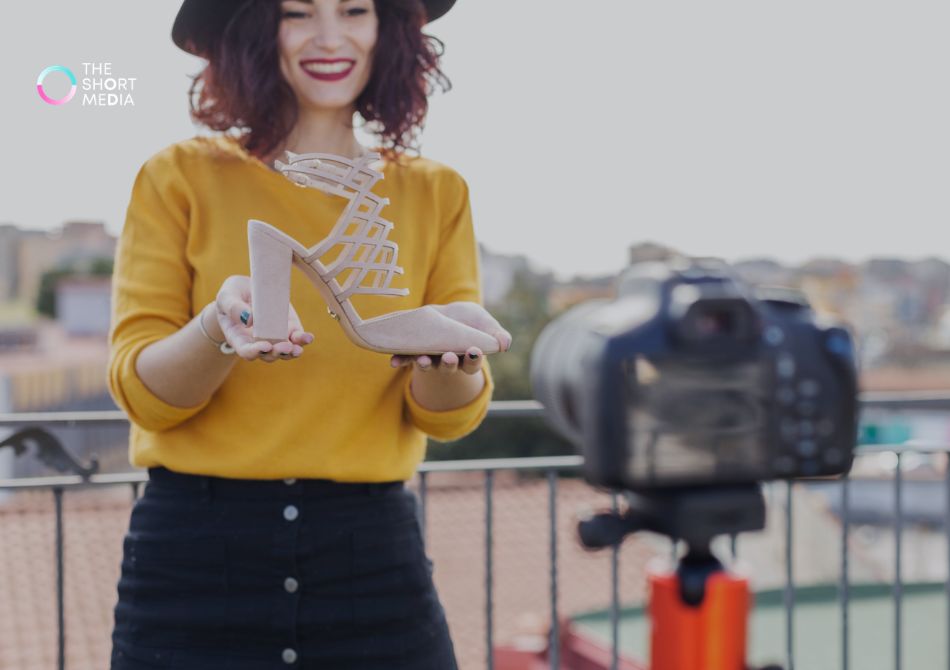
TikTok Shop Marketing Agency: Key Trends for U.S. Brands Right Now

TikTok Shop Marketing Agency

A few months ago, I watched a mid-size beauty brand spend weeks polishing a TikTok launch. Clean studio lighting. Tight scripts. Founder soundbites. It all looked expensive, which was part of the problem. The videos felt expensive too. Meanwhile, a creator they almost passed on filmed a quick demo at her bathroom sink, showed the product texture in bad morning light, mentioned that it didn’t pill under sunscreen, and moved more units in two days than the polished campaign did in two weeks. That’s pretty much where a lot of U.S. brands are with TikTok Shop right now. They know there’s demand. They know people are buying. But they’re still treating the platform like a regular paid social channel with a checkout button attached. It isn’t that. If you’re thinking about hiring a tiktok shop marketing agency, the useful question isn’t “Can they run TikTok?” Plenty of teams can post content and launch Spark Ads. The better question is whether they understand how tiktok shop ecommerce actually behaves when creators, comments, affiliates, offers, and conversion content all start affecting each other at once. What a tiktok shop marketing agency should actually be doing A good tiktok shop marketing agency isn’t just there to “make content.” That’s the easy part, honestly. The harder part is building a system where content, creator relationships, product selection, and offer timing all support the same sales goal. For U.S. brands, especially in beauty, supplements, kitchen products, fitness accessories, and impulse-friendly home goods, the winning setup usually looks a little messy from the outside. Not disorganized. Just less precious. You need creators who can sell without sounding like they’re selling. You need product pages that answer objections people are already dropping in comments. You need affiliates who can move volume, not just collect samples. And you need someone watching the data closely enough to know when a hero SKU is carrying the account versus when it’s time to rotate in a bundle or lower-priced entry item. That’s where a tiktok shop marketing agency earns its fee. Not by posting more often. By connecting the parts most brands keep treating separately. The tiktok shop marketing strategy shift: less campaign thinking, more momentum A lot of teams still approach TikTok in bursts. Launch week. Promo week. Holiday push. Then they wonder why things stall. A working tiktok shop marketing strategy is more like managing momentum than managing campaigns. That sounds a bit abstract, but in practice it’s pretty concrete. You’re looking for signals: which hooks are getting saves, which creators are driving add-to-cart but not checkout, which comments keep repeating the same objection, which product bundle suddenly starts converting because someone framed it as a “restock kit” instead of a bundle. I’ve seen this play out with food brands in the U.S. especially. A snack company will push taste and macros in every video because that’s what the internal team thinks matters. Then a creator casually mentions that the product doesn’t get crushed in a gym bag, and that becomes the angle that moves sales. Not because it’s more creative. Because it answered a real use-case. That’s the difference between a generic content calendar and a sharp tiktok shop marketing strategy. One fills slots. The other listens. U.S. brands are getting smarter about creator fit Follower count still distracts people more than it should. On TikTok Shop, creator fit usually matters more than creator size. A Texas-based home cleaning brand might get stronger results from a creator with 18,000 followers who films in her actual laundry room than from a lifestyle creator with 400,000 followers whose audience mostly watches for aesthetics. Same with fitness. I’ve seen resistance bands sell better through a physical therapist explaining shoulder mobility than through a polished gym influencer doing dramatic workout edits. This is a big area where tiktok shop ecommerce feels different from traditional influencer marketing. You’re not just borrowing reach. You’re buying believability, and not the fake kind. If the creator reads a script too perfectly, performance usually drops. You can almost feel the audience pulling back. A smart tiktok shop marketing agency will know how to brief creators without flattening them. Some agencies are still over-directing every line, and you can tell. The content comes back technically correct and totally dead. Product pages are finally getting the attention they should’ve had This one’s overdue. A lot of brands obsess over videos and barely touch the actual product listing. Then they act surprised when traffic doesn’t convert. But tiktok shop ecommerce is still ecommerce. If your title is vague, your images are weak, your reviews are thin, and your product description sounds like an Amazon listing from 2018, you’re making the content work too hard. The stronger brands are tightening this up. They’re using creator clips on listings. They’re pulling language straight from comments. They’re answering very specific concerns: Will this work on textured hair? Is the pan nonstick without a weird chemical smell? Does the protein powder blend in cold almond milk or just regular milk? That kind of detail matters more than brand voice polish. It also sharpens your tiktok shop marketing strategy, because the sales page starts reflecting what actual buyers care about, not what the internal team brainstormed in a meeting. Affiliates are no longer a side channel For a while, some brands treated TikTok Shop affiliates like a bonus. Nice if it works, not core to the plan. That’s changed. Now, for many U.S. consumer brands, affiliate recruitment is central to tiktok shop ecommerce growth. Especially if the product has a clear demo, repeat purchase behavior, or a price point that feels easy to test. Think pimple patches, seasoning blends, posture correctors, sheet masks, pet hair removers, under-$30 kitchen tools. But affiliate scale brings its own mess. Some creators want free product and never post. Some post once with a weak hook and disappear. Some can sell, but their audience quality is off. You need a system for outreach, approvals, replenishment, commission management, and content … Read more

How Digital Marketing & TikTok Are Changing New York Advertising

Digital Marketing & TikTok

A few months ago, I watched a New York food brand spend a small fortune on polished launch creative. Nice lighting, clean copy, agency-approved everything. At the same time, a creator filmed a scrappy product demo in a Brooklyn apartment kitchen, with a sink full of dishes in the background, and that video pulled better watch time, more saves, and way more comments about actual purchase intent. That’s New York advertising right now in a nutshell. The old playbook still exists, sure. Big shoots, media plans, premium placements. But the brands getting traction are the ones that understand how messy, fast, and oddly intimate short-form content has become. And TikTok sits right in the middle of that shift. If you work with a new york tiktok marketing agency, you’ve probably already seen this tension: legacy brand expectations on one side, platform-native behavior on the other. The gap between those two things is where a lot of campaigns either work or quietly die. New York advertising got less polished and more observant New York has always had a strong ad culture, but TikTok changed what “good creative” looks like. Not in a vague, trend-report kind of way. In a very practical way. A beauty brand in SoHo might still need polished campaign assets for retail and paid media. But on TikTok, the content that gets traction often looks more like a friend showing you what happened after two weeks of using the product. Slightly uneven framing. Real bathroom lighting. A creator stumbling over one line, then recovering. Honestly, that stumble can help. That’s why tiktok business marketing new york doesn’t really reward the same instincts that worked for display ads, subway takeovers, or even Instagram a few years ago. New York brands are learning that attention on TikTok isn’t bought with polish alone. It’s earned by noticing how people actually talk, complain, compare, and react. I’ve seen comments do more strategic work than a full creative brief. A home product video gets views, but the comments reveal the real objection: “Does this work in small apartments?” That’s a New York-specific insight right there. Suddenly the next round of content isn’t generic product education. It’s a demo in a cramped rental kitchen with limited counter space. Performance improves. Not magic. Just listening. The agencies adapting fastest aren’t acting like old-school ad shops A good new york tiktok marketing agency usually looks less like a traditional agency and more like a hybrid team: paid social operators, creator managers, editors who understand pacing, and strategists who know when a trend is already over. That last part matters more than people admit. I’ve watched brands jump on a TikTok format two weeks too late because someone internally wanted approvals from six stakeholders. By the time the video goes live, the sound is tired, the joke is dead, and the comments are brutal. New York audiences, especially, are quick to spot when a brand is trying too hard. The smarter teams move differently. A new york tiktok marketing agency worth hiring will usually build around repeatable creative systems, not one-off viral fantasies. They’ll test creator hooks, comment-led concepts, product demos, founder videos, street interviews, retail reactions, maybe a paid Spark Ads layer behind the winners. Less “let’s make a masterpiece.” More “let’s find what people actually stop for.” That approach is reshaping digital marketing tiktok new york campaigns across categories. Beauty brands use creators who feel like actual customers. Fitness companies lean into routine-based content instead of glossy transformation ads. Food and beverage brands show texture, prep, and real reactions instead of overproduced lifestyle scenes. Even local service businesses are getting in on it. I’ve seen med spas, dentists, moving companies, and NYC realtors use TikTok in ways that would’ve sounded ridiculous five years ago and totally reasonable now. What TikTok is doing to media planning in New York The old split between “brand” and “performance” gets pretty blurry on TikTok. A retail launch in New York used to rely heavily on PR, out-of-home, maybe some Meta, maybe influencer if the budget allowed it. Now TikTok often becomes the testing ground before the broader media push. Which message gets comments? Which creator angle gets shares? Which objection keeps showing up? Those signals shape the rest of the campaign. That’s where tiktok business marketing new york gets interesting. It’s not just about posting videos. It’s influencing how brands plan launches, allocate spend, and even decide what product angle to emphasize. An Amazon brand selling kitchen storage might discover that “organize your pantry” isn’t the hook. “This fits in tiny NYC cabinets” is. A fitness brand might learn that aspirational trainer content underperforms compared to a creator saying, basically, “I hate complicated workouts, this is what I actually stuck with.” A local restaurant might find that behind-the-counter prep content drives more foot traffic than a professionally edited promo. A lot of this comes down to speed. digital marketing tiktok new york works best when the feedback loop is short. Post, read comments, cut new versions, test paid support, brief creators again. The brands still treating TikTok like a quarterly campaign channel tend to miss what makes it useful. Why creator content matters more than brand content, most of the time Not always. But often enough. There’s a reason so many brands work with a new york tiktok marketing agency that has strong creator sourcing baked in. Founders and internal teams usually know the product. They don’t always know how to make it feel native to the feed. Creators do. Or at least the good ones do. And there’s a huge difference between a creator who can actually sell through content and one who just has a nice aesthetic. I’ve seen brands pick someone because their page looked clean and premium, then wonder why the ad flopped. The script was too perfect. The pauses sounded rehearsed. It felt like a commercial pretending not to be a commercial, which people can sniff out immediately. The better creator partnerships are … Read more

7 Innovative Tactics Used by Top TikTok Social Media Agencies

TikTok Social Media Agencies

I’ve watched brands spend $20,000 on polished TikTok creative only to get beaten by a founder talking into an iPhone next to a sink full of dishes. Not every time, obviously. But often enough that it changes how you think about the platform. That’s usually the first hard lesson. TikTok doesn’t reward “brand effort” in the way a lot of teams expect. It rewards relevance, timing, watch behavior, and creative that feels like it belongs there. A script that sounds great in a boardroom can die in the feed in six hours. A rough product demo filmed in a kitchen in Ohio can quietly drive a week of sales. That gap is exactly why brands hire a tiktok social media agency in the first place. Not because they need someone to post more often, but because they need people who understand the weird mix of creator instincts, paid media discipline, trend timing, and comment-section pattern recognition that TikTok demands. The strongest teams don’t all work the same way, but the good ones tend to use a handful of tactics that separate them from agencies still treating TikTok like Instagram Reels with different dimensions. What a top tiktok social media agency does differently A good tiktok social media agency usually isn’t obsessed with making everything look expensive. They’re obsessed with making content feel native without losing the sales angle. That sounds simple until you’ve sat through creative review with a beauty brand that wants “raw and authentic” but also wants every frame color-corrected, every line approved by legal, and every creator to hit the same talking points in the same order. You can feel the life leaving the video. The better agencies push back. A smart marketing agency tiktok team knows that native doesn’t mean careless. It means choosing the right kind of structure, then leaving enough room for personality, friction, and actual human behavior. Here are seven tactics the best teams keep coming back to. 1. They build around creator fit, not follower count This one should be obvious by now, but plenty of brands still get distracted by big numbers. A strong marketing agency tiktok partner will spend more time looking at cadence, tone, audience overlap, and on-camera believability than raw reach. A creator with 18,000 followers who naturally explains a supplement routine or shows how she uses a countertop ice maker in a real apartment can outperform someone with 600,000 followers reading a brief like they’re trying not to miss a line. That “trying not to miss a line” thing matters more than people think. You see it immediately. The pauses are too clean. The product mention lands too perfectly. Comments start filling with versions of “this sounds sponsored,” even when the creator is good. The best tiktok marketing company teams cast for trust signals. Not influencer status. Trust signals. For a U.S. skincare launch, that might mean finding a creator whose bathroom shelf already looks like the target customer’s shelf. For a local HVAC company, it might be a contractor-adjacent personality who can explain why your upstairs room is always hotter than the rest of the house without sounding like an ad. 2. They mine comments like a research department A lot of brands still treat comments as community management. Helpful, sure. But the stronger agencies treat them as customer research. A seasoned tiktok marketing company will pull recurring objections, confusion points, and weird little phrases people keep using, then feed that back into creative. If 30 people comment that a protein bar “looks chalky,” you don’t need a prettier product shot. You need a video where someone bites into it and talks honestly about texture. If shoppers keep asking whether a cleaning product is safe around pets, that belongs in the first few seconds of the next round of videos. This is where a tiktok social media agency can be more useful than a generalist shop. They’re often faster at spotting what the sales page missed. Comments reveal hesitation in plain English. And plain English tends to outperform polished copy. I’ve seen this with home products a lot. A brand thinks the big selling point is “premium materials.” The comments are all about whether it fits under a standard U.S. kitchen cabinet. 3. They separate “trend participation” from “trend chasing” There’s a difference, and you can usually tell when a brand misses it. A capable marketing agency tiktok team doesn’t jump on every trending sound. They look at whether the format actually helps the product story. If a trend is already two weeks old and every retail brand has done the same joke, joining late usually makes the brand look like it got approval after the moment passed. Which, honestly, is often what happened. The better play is often to borrow the pacing or framing of a trend without copying it directly. A food brand launching in Target might use the structure of a current “taste test” format, but adapt it to shelf comparison, price reaction, or lunchbox use cases. A tiktok marketing company that understands this won’t pitch trends just because they’re trending. They’ll pitch formats that can still feel current by the time legal signs off. That sounds less exciting than “let’s own this trend.” It works better. 4. They create paid ads from organic behavior, not the other way around This is where a lot of agencies get too neat. A strong tiktok marketing company doesn’t start with a polished ad concept and then try to make it look organic after the fact. They watch what already earns hold time, comments, rewatches, and saves, then build paid variations from that behavior. For a DTC beauty brand, maybe the winning organic angle isn’t a before-and-after at all. Maybe it’s a creator saying, kind of skeptically, “I didn’t think this was going to do much for my redness, but…” and then showing day-three skin in bathroom lighting that’s almost annoyingly honest. That can become a paid asset set with different hooks, cuts, and offers. … Read more

A Complete Guide to TikTok Ads Services USA for Small Businesses

TikTok Ads Services

I’ve watched small brands burn through a month’s ad budget on TikTok in four days because the creative looked like, well, an ad. Polished lighting, stiff founder script, logo in the first second, CTA slapped on the end. Then I’ve seen a scrappy product demo shot on a kitchen counter in Ohio pull comments, saves, and actual purchases because it felt like something a real person would post. That’s usually where the conversation around tiktok ads servicesUSA starts for small businesses. Not with theory. With frustration. A boutique skincare founder in Texas wants lower customer acquisition costs. A local HVAC company in Florida wants leads, not “awareness.” An Amazon seller with a cleaning product wants to stop relying only on search traffic. They all hear TikTok is worth trying. They’re not wrong. But they often underestimate how different advertising on tiktok ads feels compared to Meta or Google. And that difference matters. Why small businesses in the USA keep getting TikTok wrong A lot of teams treat TikTok like another placement inside a media plan. Same product shots, same copy, same expectations. That’s usually where things go sideways. For small businesses, tiktok ads for business works best when the ad feels close enough to native content that people don’t scroll past it immediately. That doesn’t mean low effort. It means the effort goes into the right places: hook, pacing, creator fit, landing page continuity, comments, offer clarity. I’ve seen US beauty brands spend weeks perfecting a studio shoot only to get beaten by a creator filming in her bathroom mirror with slightly bad audio. Not terrible audio. Just believable audio. The expensive version looked approved by committee. The bathroom one looked like a recommendation. That’s why many owners start looking for tiktok ads services USA instead of trying to piece it together alone. What TikTok ads services actually include Some agencies oversell this part. They make it sound like media buying is the whole thing. It isn’t. Good tiktok ads services USA usually cover a mix of strategy, creative production, creator sourcing, account setup, campaign management, and reporting. For small businesses, the creative side is often the make-or-break piece. Here’s what should usually be in scope: Creative strategy, not just ad setup This is where a lot of advertising on tiktok ads campaigns either get traction or die quietly. A strong partner should help map angles before spending starts. For example: – problem/solution demos – founder-led clips – creator testimonials – “why I bought this” style content – objection-handling videos based on comments – retail or Amazon-focused hooks A home organization brand might need five different ways to show a storage product in use. A local med spa might need content that addresses price hesitation without sounding defensive. A protein snack brand may need creators who can make the product feel normal in a lunch bag, not staged in a studio. Creator sourcing and UGC production This is a huge part of tiktok ads for business, especially for smaller brands that don’t have an in-house content team. And here’s the thing: not every creator is good at ads. Some are good at content and terrible at conversion. They read scripts too perfectly. They smile at the wrong moments. They pause in a way that screams “brief approved by marketing manager.” That kind of content often underperforms. A solid service provider will source creators who can sell casually, not theatrically. Media buying and testing Yes, this matters too. But it’s not magic. With advertising on tiktok ads, campaign structure should stay fairly simple at the beginning. Too many ad groups, too many tiny audience tests, too much fiddling too early—it usually creates noise, not insight. Small businesses generally need: – clean account setup – pixel or events API support – basic audience testing – enough budget to test multiple creatives – weekly optimization based on real signals If you only have budget for one video, honestly, that’s usually the bigger issue. The part nobody likes hearing: creative fatigue hits fast TikTok can chew through creative quickly. A winning ad this week might feel tired next week, especially if frequency climbs. That’s why tiktok ads for business isn’t a set-it-and-forget-it channel. Small brands that do well here tend to build a repeatable content engine. Not massive production. Just regular output. I worked with a food brand that kept trying to make every ad a mini commercial. Once they switched to simpler creator clips—lunchbox packing, taste test reactions, “I found this at Target” style videos—the account got easier to optimize. Not perfect. But easier. We had more angles to test, and comments started surfacing objections the product page had missed, especially around sugar content and serving size. That kind of feedback loop is part of why advertising on tiktok ads can be useful even when the first round doesn’t print money. How to know if your business is a fit Not every small business should go all in immediately. Some should test first. Some should wait until their offer or site is stronger. Good fit for TikTok ads Businesses that often do well with tiktok ads services USA include: – beauty and skincare brands – snack and beverage products – fitness accessories and supplements – home gadgets and cleaning products – fashion and jewelry brands – local services with strong visual hooks – Amazon products with clear demos – retail launches that need attention fast A DTC candle brand can show scent, packaging, gifting moments, home styling. A local orthodontist can run short educational clips around Invisalign consults. A cleaning product seller can demonstrate a stain removal in six seconds and get farther than a polished brand film ever would. Harder fit, but not impossible Some categories need more work: – high-ticket B2B services – products with weak margins – offers that require a lot of education – businesses with slow or clunky websites – brands that refuse to make native-looking creative If your sales page loads like it’s from 2017, tiktok … Read more

Why Every U.S. Brand Needs a TikTok Specialized Agency in 2026

TikTok Specialized Agency

A few months ago, I watched a decent mid-market beauty brand burn through a pile of budget on TikTok with almost nothing to show for it. The product was good. The offer was fine. Their paid social team knew Meta inside out. But the videos felt like repurposed Instagram ads with captions glued on top, and every creator read the script like they were trying not to miss a line in a high school play. That’s usually the tell. By 2026, TikTok isn’t the place where brands can get away with “we’ll just test a few videos and see.” The platform has matured, but not in a way that makes it easier for generalist agencies. It’s actually become less forgiving. Trends burn out faster, creator standards are higher, comments shape conversion more than some landing pages do, and the line between content, media buying, and creator management is basically gone. That’s why more U.S. companies, from DTC skincare to regional home service brands, need a TikTok Specialized Agency instead of a broad social shop trying to fake fluency. A TikTok Specialized Agency sees the problems earlier A general agency often notices failure after the metrics tank. A TikTok Specialized Agency usually spots it in the creative before launch. You can hear it in the first three seconds. The hook is too polished. The product shot looks like a retailer sizzle reel. The creator says the brand name in a way no normal person would. Or the trend they’re trying to use already peaked two weeks ago, which happens all the time with teams that approve content through five layers of legal and brand. That gap matters. On TikTok, weak creative doesn’t just underperform quietly. It gives you bad readouts. Brands start thinking the offer is wrong, or the audience isn’t there, or the price is too high. Sometimes the comments tell a different story. I’ve seen comments on a kitchen gadget ad fill up with “does it work on stainless steel?” while the sales page never addressed materials once. That’s not just engagement. That’s customer research sitting in public. A real specialist team knows how to read those signals and feed them back into creative, landing pages, offers, and creator briefs. Why tiktok influencer marketing got more operational, not less A lot of marketers still talk about tiktok influencer marketing like it’s mostly about finding a creator with the right vibe and hoping for a good post. That’s outdated. In practice, tiktok influencer marketing in 2026 looks more like a production and performance system. You need creators who can sell naturally, but you also need briefing that doesn’t flatten their voice, usage rights that make sense, whitelisting plans, Spark ad strategy, and someone who knows when a creator’s “authentic” style is actually hurting clarity. I’ve seen this with U.S. food brands especially. A creator can be charming and still not drive action if they spend 25 seconds joking around before showing the product. For a snack launch at Target, that kind of pacing can kill the ad even if the comments are friendly. On the other hand, a simple demo filmed in a real kitchen, bad overhead light and all, can outperform studio content because it answers the shopper’s actual hesitation: what does this look like in a normal person’s pantry? That’s where a TikTok Specialized Agency earns its keep. It doesn’t just source creators. It structures tiktok influencer marketing so the content can work organically, then work again as paid, then spin into iterations without starting from zero every week. Most brands don’t need more content. They need better TikTok judgment This is the part teams don’t always want to hear. A lot of U.S. brands already have enough footage, enough creators, enough product shots. What they’re missing is judgment specific to TikTok. Not social media in general. TikTok. A fitness brand might have 60 creator videos and still be stuck because every brief pushes the same before-and-after angle. A home products company might keep filming pristine living rooms when the winning videos are the messy ones shot during an actual clean-up. An Amazon brand may obsess over polished edits while the comments are full of practical objections about size, shipping, or whether the thing feels cheap in person. Good tiktok marketing services are less about volume and more about pattern recognition. Which hooks are pulling in the right audience? Which creators can explain without sounding rehearsed? Which comments suggest a pricing issue versus a trust issue? Which videos are getting saves from people who won’t buy for another two weeks? Those distinctions are easy to miss if your agency is splitting attention across search, email, Meta, YouTube, and whatever else is on the retainer. The paid and organic split is mostly fake now One reason tiktok marketing services are harder to execute well is that brands still separate organic and paid too rigidly. The organic team wants trends. The paid team wants direct response. The influencer team wants creator relationships. The e-commerce team wants ROAS. Fine on paper. Messy in reality. On TikTok, the strongest accounts and ad programs usually share a creative language. Not identical content, but the same understanding of what feels native, what explains quickly, and what earns attention without screaming for it. A TikTok Specialized Agency can connect those pieces because it’s not treating TikTok like a chopped-up media channel. For example, a U.S. skincare brand launching in Ulta might use tiktok marketing services to test creator angles around texture, shade match, and wear time. The organic comments reveal that shoppers are worried about oxidation. Paid creative can then build around that objection directly. Creator briefs shift. Landing page copy changes. Retail support content follows. Suddenly TikTok isn’t just a top-of-funnel vanity project. It’s informing the whole launch. That kind of loop is where specialist teams outperform. tiktok marketing services have to fit U.S. buying behavior American brands deal with a weird mix of buying contexts. Someone sees a supplement on TikTok, checks … Read more

How TikTok Media Agency Experts Drive Massive Brand Growth in the USA

TikTok Media Agency

I’ve seen this happen more than once: a brand spends three weeks approving a polished TikTok concept, gets the lighting perfect, adds motion graphics, pays for a nice studio setup… and the thing lands with a thud. Meanwhile, a scrappy clip shot on an iPhone in somebody’s kitchen pulls comments, saves, and a ridiculous click-through rate because the product finally looks like something a real person would actually use. That gap is where a good tiktok media agency earns its keep. Not because TikTok is magic. It isn’t. It’s just a platform that punishes overthinking faster than most channels do. In the USA, where brands are fighting for attention across Amazon, retail shelves, DTC sites, and local markets all at once, TikTok can move fast enough to expose weak creative, weak offers, and weak internal processes in a matter of days. And if you’ve worked on paid social teams for any length of time, you know that’s both annoying and useful. What a tiktok media agency actually does when growth is the goal A lot of brands still think TikTok support means “find a few creators and make some videos.” That’s part of it, sure. But if the goal is actual revenue growth, not vanity metrics, the work gets more layered pretty quickly. A strong tiktok media agency usually sits at the intersection of creative strategy, creator sourcing, paid media, trend judgment, landing page feedback, and reporting that doesn’t hide behind vague engagement numbers. For US brands, that often means different things depending on the category: – A beauty brand needs hooks that show texture, shade payoff, or wear time in the first seconds. – A food brand may need content that feels homemade, not overproduced, because “real kitchen” usually beats “ad kitchen.” – A fitness product might need proof that it’s easy to use in a small apartment, not just in a giant gym. – A local service business in the USA — med spa, dentist, HVAC company, whatever — needs trust-building content that doesn’t feel like local TV in vertical format. That’s where digital marketing tiktok gets more interesting than people expect. It’s not just media buying. It’s operational. It’s creative. It’s often a little messy. Why tiktok marketing for brands breaks down internally Most in-house teams aren’t bad at marketing. They’re just not set up for TikTok’s pace. Legal wants to review every word. Brand teams want visual consistency. Paid teams want proven assets. Founders want the video they personally like best. By the time something gets approved, the trend is stale and the creator’s delivery sounds like they’re reading a teleprompter under duress. I’ve watched creators send in two versions of the same script — one polished, one looser and a little imperfect. Nine times out of ten, the looser one wins. Not because audiences hate quality. They hate feeling managed. That’s a big reason tiktok marketing for brands often works better with outside specialists. A smart agency can push back when a brand is trying to turn creator content into a 2019 Facebook ad. They can also spot when the problem isn’t the video at all. Sometimes the comments tell the story: – “Does this work on oily skin?” – “Why is shipping $12?” – “Can I use this in a small apartment?” – “Is this safe for dogs?” Those comments are market research. Cheap, immediate, brutally honest. Good teams use them to shape the next round of creative and even fix product page gaps. Digital marketing TikTok is really a speed and feedback system The brands that grow fastest on TikTok in the USA usually aren’t the ones with the biggest production budgets. They’re the ones that can test quickly without losing the plot. That means building a system where organic posting, creator whitelisting, Spark Ads, paid testing, landing page optimization, and comment mining all feed each other. A decent example: a US home-cleaning brand launches a mop product on Amazon and DTC. The studio ad explains the features clearly, but performance is average. Then a creator films a simple demo in her own kitchen, with bad overhead lighting and a toddler making noise in the background. Not ideal, visually. But people watch because the mess looks real, the floor looks like their floor, and the product benefit is obvious without a voiceover trying too hard. That kind of result isn’t rare. It’s normal. A good tiktok media agency knows how to turn that insight into scale. They don’t just say, “Authentic content wins.” They ask why that specific video worked. Was it the first three seconds? The angle of the mess? The creator’s tone? The fact that she mentioned assembly time without being prompted? That’s the actual work. And yes, digital marketing tiktok includes the unglamorous parts too: naming conventions, spend pacing, creator usage rights, post ID tracking, retargeting windows, and trying not to blow budget on a video that had nice watch time but weak conversion intent. The creator piece matters, but not the way most brands think A lot of companies still chase follower count first. Usually a mistake. For tiktok marketing for brands, fit matters more than reach, especially early on. A mid-sized creator who understands how to show a protein powder mixing smoothly, or a skincare serum sitting under makeup, can outperform a much bigger creator who just reads a brief and smiles on cue. You can tell when a script has been over-edited by committee. The creator pauses in weird places. The product claim sounds legally scrubbed. The call to action drops in like a brick. Comments get quiet. The better approach is usually a tighter brief with room to interpret. Give creators the product truth, the audience objection, and the one thing you need shown on camera. Then let them say it like a person. That’s a huge part of digital marketing tiktok that old-school ad teams still underestimate. Platform-native delivery isn’t some fluffy creative preference. It changes whether people keep watching. What US brands should … Read more

TikTok Is Rewriting How Attention Is Earned

TikTok Is Rewriting How Attention Is Earned

A few months ago, I watched a beauty brand spend real money on a polished launch video for TikTok. Nice lighting. Clean edit. Founder on camera. It looked expensive in the slightly obvious way expensive social content often does. It barely moved. Two days later, a creator posted a looser clip shot in her bathroom, half whispering because her kid was asleep in the next room, showing the same product texture on the back of her hand. Comments poured in. Questions about shade match, finish, shipping times, whether it pilled under sunscreen. Actual buying signals. The brand learned more from that one post than from three weeks of internal brainstorming. That’s the thing. Attention on TikTok isn’t really handed out because a brand showed up with a campaign calendar and a clean set of assets. It’s earned in smaller, messier ways. Sometimes by being useful. Sometimes by being oddly specific. Sometimes by not sounding like a brand at all. And that shift has made a lot of marketers uncomfortable. Attention looks different now, and brands feel it For years, most teams were trained to think about attention in fairly controlled terms: reach, frequency, polished creative, repeated messaging. There’s still a place for that. But TikTok has pushed a different kind of behavior into the mainstream, especially in the USA where consumer categories like beauty, food, fitness, and home products are all fighting for the same thumb-stopping second. People don’t sit down and “receive” ads there in the old sense. They move fast. They decide fast too. A creator reading a script too perfectly can lose them in under two seconds. A product demo filmed in a kitchen, with a dog barking in the background, can hold them longer because it feels like someone actually uses the thing. That’s why digital marketing tiktok strategies that copy Instagram pacing or TV ad logic usually feel off. Too slow. Too polished. Too certain of themselves. I’ve seen food brands launch recipe content that looked like it came from a cable network set. Pretty, but dead. Then someone on the team films a quick lunch hack with the product, slightly messy counter and all, and suddenly comments start surfacing the exact objections the sales page missed: sodium concerns, portion size, whether kids would eat it, where to buy it besides Amazon. That’s attention now. Not just views. Response. What a good TikTok media agency actually understands A strong tiktok media agency doesn’t just make content that “looks native.” That phrase gets abused. What matters is whether the agency understands how attention forms on the platform in the first place. That means they know a retail launch needs different creative pressure than an evergreen DTC product. They know a local service business in Texas or Florida probably doesn’t need trend-chasing; it needs believable proof, fast context, and comments that sound like neighbors, not ad copy. They know an Amazon brand selling storage containers or supplements may need ten versions of a simple demo before one lands, because the first five are too broad and the next four explain the product instead of showing the reason to care. A decent tiktok media agency also knows when not to overproduce. That sounds obvious, but teams still get this wrong all the time. Someone approves a concept, legal trims the language, brand softens the hook, and by the time the creator records it, every line sounds like it passed through six people. You can hear it. Viewers can too. That’s where digital marketing tiktok work gets very practical. Less “big idea,” more pattern recognition. Which hooks are pulling comments from the right audience. Which creators can sell without sounding salesy. Which edits are killing retention in the first three seconds. The old rules of persuasion don’t disappear, but they do get rearranged TikTok didn’t erase marketing fundamentals. People still need a reason to care. Offers still matter. Product quality still matters a lot, actually. Bad products get exposed faster because comment sections are brutally efficient. But the order has changed. Instead of building toward credibility with a polished message, many brands have to start with immediacy. Show the result. Show the texture. Show the before-and-after, if it’s real and not weirdly overdone. Show the mess the product solves. Then earn the right to explain. For digital marketing tiktok, this matters because teams often front-load context. They spend the opening line naming the brand, setting up the category, giving a mini mission statement. Meanwhile the viewer is gone. A fitness brand in the US might get better results showing the resistance band slipping off someone’s knees during squats, then introducing their fix, rather than opening with “We created premium fitness accessories for women…” Nobody cares yet. They might in ten seconds. But not at the start. Same with home products. A vacuum attachment brand doesn’t need a cinematic intro. It needs pet hair in a car seat and a clear payoff. A cookware brand doesn’t need founder philosophy first. It needs the pan heating evenly while someone says, casually, “Okay, this is why mine stopped sticking.” That’s not anti-brand. It’s just a different sequence. Why digital marketing TikTok teams can’t treat comments like leftovers One of the more useful things about TikTok is that the audience often tells you what’s missing. Not in a clean report. In comments. In slightly repetitive questions. In skeptical little reactions. This is where a lot of digital marketing tiktok programs either get sharper or stay mediocre. A beauty brand sees “Does this work on textured skin?” show up 40 times. That’s not just engagement. That’s your next creative brief. A meal brand keeps getting “Looks good but is it actually filling?” Again, not just chatter. That’s a content angle, probably a creator brief, maybe even a landing page fix. I’ve had clients discover their strongest conversion messaging in comments they almost ignored. One home cleaning product got dragged a bit, honestly, because people thought the demonstration looked fake. Fair enough. We refilmed … Read more

Why TikTok Marketing Is Growing Faster Than Any Other Channel

TikTok Marketing

A few months ago, I watched a skincare brand spend two weeks polishing a glossy product video for a retail launch. Nice lighting, clean set, expensive edit. It did fine on Instagram. On TikTok, it barely moved. Then a creator posted a quick clip from her bathroom sink, talking through why the cleanser didn’t sting her eyes, and that one pulled comments, saves, and a very obvious spike in branded search. That’s basically the story with TikTok right now in the USA. The brands that treat it like another place to paste campaign assets usually get humbled pretty quickly. The ones that understand how people actually use the app tend to move faster, learn faster, and, frankly, sell faster. That’s a big reason more companies are hiring a tiktok marketing agency usa instead of trying to force TikTok into the same playbook they use for Meta, YouTube, or even organic Instagram. TikTok stopped behaving like “just another social channel” A lot of marketing teams still talk about TikTok as if it’s mainly for awareness. That’s usually a sign they haven’t looked closely at what’s happening in the comments, search behavior, or post-click activity. People use TikTok in a messy, practical way. They look for product demos, dupes, local recommendations, workout form tips, recipes, stain removers, and “is this actually worth it?” reviews. A home product brand might see a simple kitchen demo outperform a polished campaign ad because the rougher version answers the exact objection a shopper had before buying. You see that a lot with cleaning tools, storage products, and Amazon items that need a quick visual proof moment. A good TikTok Growth Agency understands that the platform often compresses the funnel. Someone sees a creator use a protein powder in a real breakfast routine, reads comments about taste and bloating, checks the brand page, then buys later that day. Not every channel does that so naturally. And unlike older social platforms, TikTok still gives brands room to earn attention without already having a huge audience. Not guaranteed attention. But room. A TikTok Growth Agency usually works faster than an internal team That’s not a knock on in-house marketers. It’s just reality. Most internal teams are juggling approvals, legal review, brand guidelines, retail calendars, and three other channels that are already demanding reports by Thursday. TikTok doesn’t really wait for that. Trends move, but more importantly, reactions move. A comment section starts telling you what people don’t understand about your product, and if you don’t answer it quickly, somebody else will. This is where a TikTok Growth Agency tends to earn its keep. The better ones aren’t just posting more often. They’re spotting repeat comment themes, identifying creator styles that don’t feel over-rehearsed, and turning rough insights into the next batch of content before the moment passes. I’ve seen this with food brands in the US especially. A frozen snack company gets traction from one creator showing an air fryer test. Suddenly comments are full of “okay but is it actually crispy?” and “where’d you buy it?” The smart move isn’t to wait for the next quarterly shoot. It’s to get three more versions live fast, maybe one in a college apartment kitchen, one from a mom doing after-school snacks, one from a guy comparing it to a Trader Joe’s favorite. Different angles. Same friction point. That pace matters. The creative is cheaper, but the learning is richer People sometimes hear “TikTok content is lower production” and assume that means lower effort. Not really. It means the effort shifts. Instead of putting all your budget into one hero asset, you spread it across more tests. Different hooks. Different creators. Different proof points. Different lengths. A TikTok Growth Agency that knows what it’s doing will usually build volume around specific hypotheses, not just random content output. For a beauty brand, that might mean testing: – creator-led “first use” reactions – side-by-side wear tests – comments-style objection handling – founder clips that feel less scripted – retail shelf callouts for Target, Ulta, or Amazon And yes, the details matter. A creator reading a script too perfectly often tanks performance. You can feel it in the first three seconds. Same with brands jumping on a trend two weeks late, with legal-approved copy awkwardly shoved into a meme format. It looks like marketing. People scroll. A sharp tiktok marketing agency usa will usually push for content that feels native first and branded second. That doesn’t mean sloppy. It means believable. Search behavior on TikTok changed the job This part gets missed a lot. TikTok isn’t only an entertainment feed anymore. For a lot of US consumers, especially younger shoppers but not only them, it’s part search engine, part review engine, part social proof machine. That changes what content needs to do. If you sell supplements, home gadgets, pet products, or even local services, your TikTok content now has to answer practical questions people are already typing in. “Does this work on sensitive skin.” “Best dentist in Austin.” “How to style wide-leg jeans for petites.” “Is this pan actually nonstick.” A TikTok Growth Agency that understands search behavior will build content around those exact use cases rather than vague brand storytelling. That’s often where the growth comes from. Not from trying to “go viral,” but from making the right useful video at the right time with enough volume behind it. I’ve seen comments reveal holes in the sales page more clearly than any formal survey. A fitness product gets love, but the comments keep asking whether it folds small enough for apartment storage. That’s not just a social insight. That’s a merchandising and conversion insight. Why US brands are moving budget here faster Some of it is simple performance pressure. Paid social costs aren’t getting friendlier, and creative fatigue hits fast on mature channels. Teams need places where fresh content still has a chance to travel. But there’s another reason. TikTok gives brands more signals to work with, faster. You can test messaging, … Read more

TikTok Marketing Is Where Brand Voice Actually Matters

TikTok Marketing Is Where Brand Voice Actually Matters

I’ve watched a skincare brand spend $40,000 on polished video production for TikTok and get outperformed by a founder talking into her front-facing camera next to a bathroom sink. Not by a little, either. The expensive edits looked like ads. The sink video felt like a person. That’s the part some teams still miss. On TikTok, your brand voice isn’t a nice extra sitting in a style guide. It’s the thing people react to before they decide whether the product is worth their time. If the tone feels stiff, over-approved, or weirdly interchangeable with five other brands in the feed, people scroll. Fast. A lot of marketing on tiktok gets framed as trend participation, creator volume, or media spend efficiency. Those things matter, sure. But if the voice is off, all that activity just makes the mismatch more visible. Why tiktok brand marketing falls apart when the voice feels borrowed Some brands show up on TikTok sounding like they were written by legal, performance, and a social intern all editing the same sentence. You can feel it. The caption says “POV,” the creator says “obsessed,” the hook is trying very hard to sound native, and none of it matches how the brand talks anywhere else. That disconnect hurts more on TikTok than it does on Instagram or YouTube. On Instagram, polished visuals can cover for a vague personality. On TikTok, the camera gets closer. The speaking style matters. Pacing matters. Even the way someone holds up the product matters. I’ve seen this happen with DTC food brands in the US that wanted to sound “funny and chaotic” because that was working for other accounts. But their actual customer base liked them because they were practical, ingredient-focused, and a little nerdy. Once they stopped chasing someone else’s tone and started filming recipe hacks, pantry comparisons, and founder commentary in a plainspoken voice, watch time improved. Comments got better too. Less “what is this?” and more “okay wait, does this work for kids’ lunches?” That’s useful feedback. And it usually shows up faster than a brand tracker. Brand voice on TikTok is less about wording, more about behavior This is where teams overcomplicate things. They workshop adjectives. Playful. Bold. Relatable. Sharp. Fine. But on TikTok, voice shows up in how the brand behaves on camera. Do you explain things directly, like a smart friend? Do you lean into dry humor? Do you demo products in real homes or overproduce every scene? Do your creators sound like they actually use the product, or like they memorized a brief ten minutes before filming? That last one matters more than people want to admit. A creator reading a script too perfectly will tank a decent concept. You can almost hear the approval chain in the cadence. For tiktok brand marketing, voice has to survive across formats: – founder videos – creator whitelisting – paid social cutdowns – comment replies – product demos – retail launch content If it only works in one of those, it’s not really a voice yet. It’s a campaign tone. What good marketing on tiktok sounds like in practice Not “authentic.” That word has been stretched beyond usefulness. What works is recognizable texture. A home products brand might be slightly deadpan and practical. A beauty brand might be chatty but specific, with a tone that feels like a smart esthetician rather than a hype machine. A fitness brand might sound disciplined without drifting into drill-sergeant territory. I worked with a supplement company that kept trying to make every video energetic and punchy. It wasn’t landing. The audience was women in their 30s and 40s who wanted clarity about ingredients, routines, bloating, sleep, all the unglamorous stuff. Once the content shifted into calmer, more matter-of-fact delivery, performance got steadier. Not every video “popped,” but conversion quality improved. Fewer junk comments, more saves, more people clicking through and staying on site. That’s another thing about marketing on tiktok: the comments often tell you what your landing page forgot to answer. I’ve seen objections around shade matching, shipping times, whether a protein powder tastes chalky, whether a mop head replacement is sold separately. If your voice is too performative, you miss those signals because you’re busy trying to sound current. Trends help, but late trend-chasing usually makes the voice worse Every social team has had that meeting. Someone brings a trend audio that peaked nine days ago. The brand wants in. The legal review takes four days. By the time it posts, it feels like a wedding guest arriving after the cake was cut. That doesn’t mean trends are useless. It means they need to fit the brand’s natural speaking style. If they don’t, skip them. A regional restaurant chain in the USA can do really well on TikTok without touching half the platform’s trend cycle. Show the lunch rush. Let the manager explain why the fries changed. Film a customer-favorite order at the pass with actual kitchen noise in the background. That’s still marketing on tiktok, and often better than forcing a meme format onto a business that doesn’t wear it well. Same with Amazon products. Some of the strongest TikTok creative I’ve seen for household items was filmed in kitchens, garages, laundry rooms. Not glossy. Just useful. A storage organizer being installed badly, then corrected, can outperform a perfect setup because it answers the viewer’s real concern: “Will this be annoying to use?” Paid media exposes weak voice faster than organic does Organic can sometimes hide inconsistency because the audience is smaller and expectations are softer. Paid spend is less forgiving. When a brand starts scaling tiktok brand marketing through Spark Ads, creator licensing, or conversion campaigns, weak voice shows up in ugly ways. Thumbstop rate drops. Comments get snarky. The product might still be decent, but the delivery feels off. Too salesy. Too polished. Too much “here are three reasons why.” I’ve seen beauty launches in Target and Ulta get plenty of reach on TikTok, but the paid creative underperformed … Read more