

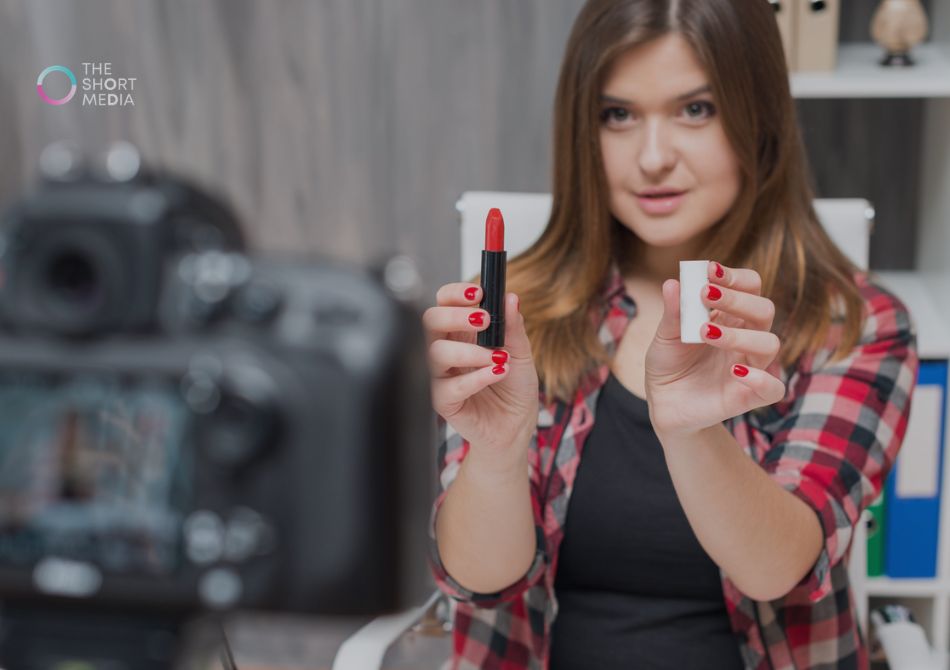
A few months ago, I watched a beauty brand spend real money on a TikTok campaign built around glossy studio footage, polished voiceover, and captions that had clearly been approved by six people. It looked expensive. It also looked like an ad in the worst possible way. Meanwhile, a creator they almost didn’t hire shot a quick product demo at her bathroom sink, left in a slightly awkward pause, and pulled better watch time, better comments, and cheaper conversions.
That’s TikTok. Or, more accurately, that’s what happens when brands treat TikTok like every other paid social channel and then wonder why the numbers feel soft.
If you’ve worked with any experienced digital marketing agency los angeles brands tend to call when they’re serious about social, you’ll notice the good teams don’t chase TikTok with generic “viral content” talk. They focus on repeatable systems: creator sourcing, fast testing, comment mining, native editing, and paid amplification that doesn’t crush what made the post work in the first place.
Los Angeles agencies have a front-row seat to this because they’re often managing campaigns for beauty launches, food brands, fitness products, home gadgets, local service businesses, and DTC companies trying to scale beyond Meta. And honestly, the lessons are pretty consistent.
TikTok punishes overproduced brand behavior
This is probably the first thing a seasoned digital marketing agency los angeles team will tell a client, usually after the client asks for something “premium looking.”
Premium is fine. Over-rehearsed is not.
A creator reading a script too perfectly tends to flatten the whole thing. You can almost feel the audience clock out. The pacing gets stiff, the phrasing sounds approved instead of spoken, and the comments get thin. On the other hand, a product demo filmed in a kitchen, with slightly messy lighting and a real reaction, often holds attention longer because it feels like something a person would actually post.
That doesn’t mean sloppy wins by default. It means TikTok has its own production values. Native framing matters more than cinematic polish. A decent hook in the first second matters more than your end card. A specific use case beats broad branding almost every time.
For brands using tiktok marketing services, this is where a lot of wasted budget starts: trying to make TikTok content look “on-brand” in the old sense instead of making it feel believable on-platform.
The best tiktok marketing services start in the comments, not the boardroom
If you want better creative, stop guessing what people care about and read the comments.
Seriously. This is one of the most useful habits in strong tiktok marketing services work. Comments tell you where the friction is. They tell you what the landing page forgot to explain. They tell you whether people think the product is too expensive, too complicated, too niche, or weirdly perfect for a very specific problem.
I’ve seen this with a home cleaning product where the brand kept pushing “powerful formula” messaging. The comments were all about whether it was safe around pets. That should’ve been obvious, but it wasn’t in the original brief. Once the creative shifted to show how people used it in homes with dogs and kids, performance improved fast.
Same thing with fitness brands. A resistance training product might think the angle is “get stronger at home.” The comments might reveal the real concern is storage in small apartments. That’s a different video.
Good tiktok marketing services teams don’t just monitor sentiment for reporting. They build the next batch of ads from it.
TikTok ads services work better when creative testing is fast and a little ruthless
A lot of brands still approach TikTok like a campaign channel. They want a concept, a production day, a launch date, and a tidy recap deck. That rhythm is too slow.
The agencies doing strong tiktok ads services in the USA tend to work more like editors than campaign managers. They’re constantly swapping hooks, opening frames, on-screen text, creator types, offers, and lengths. Not every test needs to be dramatic. Sometimes changing the first line from “I tried this skincare product” to “I thought this was overhyped” is enough to change retention.
And you do have to be a little ruthless. If a video doesn’t hold attention, don’t keep defending it because the client likes the look. If a trend is already two weeks old, let it go. I’ve watched brands insist on joining a sound after every mid-sized company in America already got there. It rarely ends well.
With tiktok ads services, speed matters, but so does pattern recognition. After enough testing, you start seeing what actually moves:
– demos over abstract lifestyle footage
– problem-first hooks over brand intros
– creator voiceovers that sound natural, not memorized
– tighter edits when the product is simple
– a bit more explanation when the product needs trust
Not glamorous. Effective.
Creator fit matters more than follower count
This one still gets ignored.
A local med spa, meal brand, or haircare company doesn’t need the biggest creator in the room. It needs someone whose delivery feels right for the audience and the offer. I’ve seen micro-creators outperform larger names because they sounded like a real customer rather than a rented spokesperson.
That’s especially true in tiktok marketing services for categories like beauty, food, and home products. A creator with a believable routine does better for skincare than someone who clearly rotates through five sponsored serums a week. For a kitchen gadget on Amazon, a practical creator filming on a cluttered counter can beat a polished lifestyle account because the use case lands faster.
The same goes for local businesses. A Los Angeles dental office or med spa doesn’t need broad national awareness if the comments are full of people in Chicago. Smart tiktok marketing services teams cast for relevance, not vanity metrics.
A good digital marketing agency los angeles approach blends organic instincts with paid discipline
There’s a difference between posting content and building a TikTok acquisition system.
A strong digital marketing agency los angeles team usually treats organic and paid as connected, even if they’re managed separately. Organic helps surface angles, language, objections, and creator styles. Paid helps scale what already shows signs of life. When those teams are disconnected, you get weird outcomes: the social team makes entertaining posts, the paid team runs generic ads, and nobody learns from the overlap.
For tiktok ads services, this matters because ad performance often improves when the asset still carries the texture of organic content. Not fake “UGC style” made in a studio. Actual platform-native creative, or at least something close enough that it doesn’t trigger instant ad fatigue.
And paid discipline still matters. You need clean naming conventions, audience testing, spend controls, landing page alignment, and post-click tracking that isn’t a total mess. TikTok can generate interest quickly, but if the product page is slow, the offer is vague, or the checkout experience feels clunky on mobile, the media team can’t save it.
Retail launches and DTC brands need different TikTok setups
This gets missed all the time. A retail launch at Target, Ulta, or Walmart should not be structured exactly like a DTC conversion push.
For retail, tiktok ads services often need to support awareness and consideration with clearer retail cues. Show the packaging people will actually see in-store. Mention where it’s available. Use creators who can make the product feel familiar before a shopper hits the aisle. Beauty brands do this well when they stop trying to explain every ingredient and instead show texture, shade payoff, or routine placement.
DTC is usually less forgiving. The ad has to do more work. It needs to handle objections, show the product in use, and make the purchase feel straightforward. For tiktok marketing services, that often means more direct hooks, stronger offers, and more deliberate testing around landing page congruence.
An Amazon product is its own thing too. People are often comparing options quickly, so creative that gets to the point tends to win. Show setup time. Show scale. Show the weird little detail buyers care about. Don’t spend eight seconds mood-setting.
The brands that improve fastest don’t over-brief creators
There’s a sweet spot here.
Bad briefs are vague. Worse briefs are too controlling.
The better tiktok marketing services teams give creators enough structure to stay on-message without draining the life out of the content. A few approved claims, the product truth, the audience pain point, maybe two hook directions. That’s usually enough. Once a brand starts mandating exact phrasing line by line, performance tends to get stiff.
You can hear it, honestly. The creator sounds like they’re trying not to get in trouble.
When tiktok ads services are built from creator content, preserving that creator’s natural cadence matters. If they usually speak quickly and a little dry, let them. If they’re more demonstrative, use that. Uniformity is overrated here.
FAQs
1. How many TikTok creatives should a brand test at once?
More than most brands are comfortable with. If budget allows, start with several distinct angles rather than tiny edits of the same idea. Three creators saying basically the same script isn’t much of a test.
2. Are tiktok ads services only useful for ecommerce brands?
Not at all. They can work for local services, subscription offers, apps, even retail launches. The setup just changes. A med spa in LA might care about booked consultations, while a snack brand in Target wants store lift and recall.
3. What makes tiktok marketing services different from regular social media management?
The pace, mostly. TikTok needs faster creative turnover, more creator coordination, and tighter feedback loops between comments, performance data, and new concepts. If a team is planning content a month out and barely adjusting, that’s usually a bad sign.
4. Do brands need influencers with huge followings?
Usually not. Fit beats size a lot of the time. A smaller creator who actually understands the category and can make a believable demo is often the better buy.
5. How long should a TikTok ad be?
Short enough to keep attention, long enough to make the point. That might be 12 seconds for a simple kitchen gadget, or 28 seconds for a skincare product that needs a little trust-building. There isn’t a magic number, which is annoying but true.
6. Should brands use trends in their tiktok marketing services strategy?
Sometimes, but with restraint. If the trend naturally fits the product and the team can move quickly, fine. If the brand is forcing itself into a format everyone is already tired of, skip it. People can tell when legal approved a meme three meetings too late.
7. What should a brand look for in a digital marketing agency los angeles for TikTok?
Look at the creative first, not just the case studies. Ask how they source creators, how often they refresh ads, what they do with comment insights, and how paid and organic teams share learnings. If the answers are vague, keep looking.