

I’ve watched more than one brand walk into TikTok with a polished 15-second ad, a clean logo animation, and a lot of confidence… then wonder why the comments are dead and the CPA is ugly by day three.
Usually the issue isn’t that the product is bad. It’s that the ad looks like an ad.
That’s the part a lot of US businesses miss when they first try tiktok ads for business. They assume the platform works like Meta with younger users. It doesn’t. The creative expectations are different, the pace is different, and the audience will absolutely tell you when something feels off. Sometimes very directly.
If you’re just getting started, this guide will save you some wasted spend and, honestly, some embarrassment.
TikTok isn’t hard. It’s just unforgiving
For beginners, the mechanics of advertising on tiktok aren’t the scary part. You can learn the Ads Manager. You can set up a pixel. You can choose a campaign objective without too much drama.
What trips people up is creative fit.
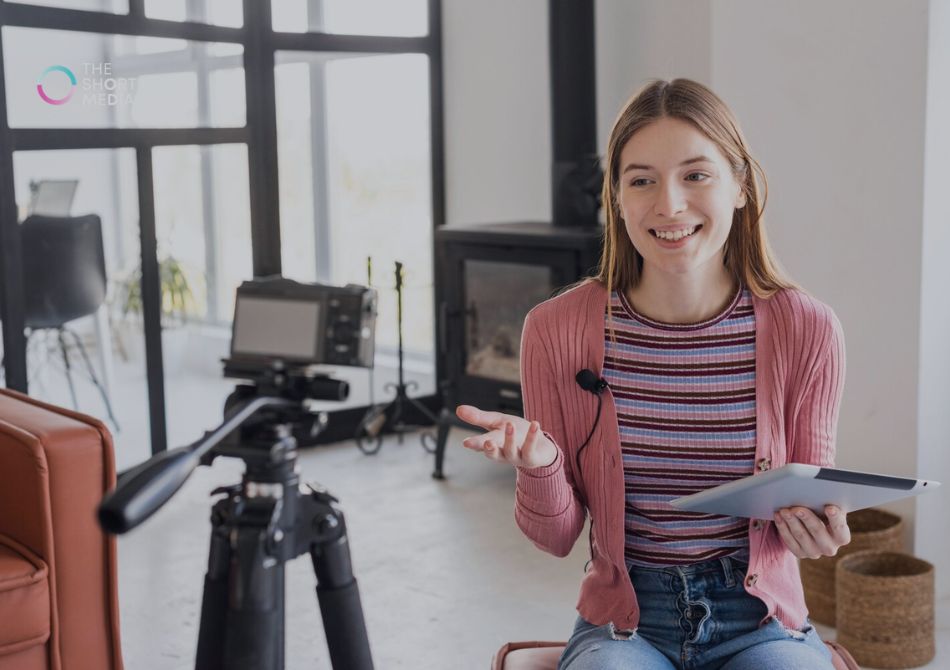
A beauty brand in the US might spend weeks on a glossy campaign shoot, then post a simple bathroom-mirror demo from a creator and watch that one pull stronger CTR and lower CPC. I’ve seen a kitchen-shot product demo for a snack brand beat studio footage by a mile because it looked like something a real person would actually post.
TikTok tends to reward content that feels native first and promotional second. Not fake-native. That usually goes badly. I’m talking about ads that understand how people scroll, how hooks work, and what kind of proof matters in the first two seconds.
That’s why a lot of companies end up looking for tiktok marketing services pretty quickly. Not because the ad platform is impossible, but because making content that doesn’t feel stiff is harder than it sounds.
Getting set up for tiktok ads for business
If you’re in the USA and starting from scratch, the setup is pretty straightforward:
Start with the business account and Ads Manager
You’ll need a TikTok Business Account and access to TikTok Ads Manager. From there, connect your website, payment method, and tracking. If you sell online, install the TikTok Pixel or Events API as early as possible. Don’t wait until after launch and then wonder why attribution looks messy.
For ecommerce brands, especially Shopify and Amazon-adjacent sellers with DTC landing pages, tracking matters more than people think. I’ve seen teams judge creative too early because the setup was half-done and events were firing incorrectly.
Pick one goal, not five
A beginner mistake with advertising on tiktok is trying to do awareness, traffic, conversions, and follower growth all at once. Keep it cleaner than that.
If you’re a new skincare brand launching in the US, maybe the goal is purchases.
If you’re a local med spa in Dallas or Tampa, maybe it’s lead generation.
If you’re a retail brand trying to support a Target launch, maybe it’s reach plus store-locator traffic.
The platform gives you options. Too many, honestly. Don’t let that push you into a messy setup.
Budget enough to learn something
You do not need a Super Bowl budget for tiktok ads for business, but you do need enough spend to get useful data. Tiny budgets spread across too many ad groups usually create noise, not insight.
If you’re testing, I’d rather see a business run a tighter structure with a few solid creatives than launch 14 variations with barely any spend behind each.
The creative side is where most beginners lose money
This is where tiktok marketing services can earn their keep, because weak creative ruins everything else.
A lot of first-time advertisers still script creators too heavily. You can hear it immediately. The pacing gets weird, the wording gets too clean, and suddenly the video sounds like someone memorized lines from a deck. Audiences pick up on that fast.
What actually works better
For advertising on tiktok, these creative patterns tend to hold up well in the US market:
– Creator-led demos that show the product in use right away
– Problem/solution hooks tied to a real scenario
– Comment-led ads that answer objections people actually have
– Before-and-after framing, if the category allows it
– Short explainer clips with captions and fast cuts
For example, a home product brand selling an organizing tool might do better with a messy pantry shot and a quick install demo than a polished lifestyle montage. A fitness brand selling recovery gear might pull stronger results with a creator saying, “I thought this was gimmicky too,” than with a generic product showcase.
And read your comments. Seriously. They often reveal the exact objections your landing page missed. Price confusion, sizing concerns, shipping speed, whether the thing works for curly hair, whether it fits apartment renters, all that stuff shows up there before it shows up anywhere else.
That’s also where good tiktok marketing services stand out. They don’t just make videos. They mine feedback, spot patterns, and turn those patterns into the next round of ads.
Targeting in the USA: don’t get too clever too early
TikTok’s targeting options are useful, but beginners often overbuild. They stack too many interests, narrow the audience too much, and then complain that delivery is unstable.
For most brands trying tiktok ads for business, broad-ish targeting with strong creative is usually a better place to start than hyper-specific audience construction.
A few examples:
DTC products
If you’re selling a hydration product, kitchen gadget, or pet accessory across the USA, broad targeting often gives the algorithm more room to find buyers than a tightly layered interest audience.
Local services
If you’re a dentist, med spa, realtor, or home cleaning service, geography matters more. In that case, local targeting is obvious, but the creative still needs to feel native. A local service ad filmed in the actual office usually beats generic stock-heavy content. Every time.
Retail and product launches
If you’re supporting a Walmart, Target, or Ulta launch, advertising on tiktok can help create search demand and store-level interest, but the message needs to be simple. Product, use case, where to get it. Don’t overcomplicate it.
Why some brands bring in tiktok marketing services early
There’s a point where DIY starts costing more than help.
I’m not saying every business needs an agency on day one. Some don’t. A scrappy founder with decent instincts and a couple of creators can get pretty far. But once spend increases, or once the team starts guessing instead of testing, outside support can make sense.
Good tiktok marketing services usually help with:
Creative testing cadence
Not one “hero ad” and a prayer. A steady flow of new concepts, hooks, edits, and creator variations.
Creator sourcing and direction
The right creator matters. Not just follower count. Delivery, tone, credibility, filming style. I’ve seen a smaller creator with a believable voice outperform a bigger one who read the script too perfectly.
Media buying and optimization
Bid strategy, audience structure, pixel setup, retargeting windows, exclusions. The less glamorous stuff. It matters.
Landing page feedback
A surprising amount, actually. Teams focused on advertising on tiktok often realize the ad is doing its job, but the page is too slow, too formal, or missing the exact proof people wanted after the click.
Common beginner mistakes I keep seeing
A few patterns show up again and again with tiktok ads for business:
Treating TikTok like a resized Instagram ad
This almost always feels wrong. Different pacing, different expectations.
Joining trends too late
If your brand team approves a trend two weeks after it peaked, skip it. Forced trend-chasing is painful to watch.
Opening too slowly
You do not have six seconds to warm up. In many categories, you barely have two.
Making every video about the brand
People care about the problem they’re trying to solve. Start there.
Testing too little creative
When results dip, beginners often tweak targeting first. Usually the issue is fatigue or weak hooks.
That’s another place where tiktok marketing services can help. Not magically. Just practically. More testing, better feedback loops, fewer random decisions.
A realistic way to start
If you’re a US business and this is your first serious try at tiktok ads for business, I’d keep the first phase simple:
Build 3 to 5 creative concepts.
Use creators or founder-led content if possible.
Install tracking properly.
Choose one conversion goal.
Test broad enough audiences to get delivery.
Watch comments and click behavior closely.
Then make the next batch based on what people actually responded to.
That’s less exciting than some big “TikTok playbook,” sure. But it’s how you avoid wasting the first month.
And if your team doesn’t have the time or instincts for that process, this is usually when tiktok marketing services become worth considering. Not because TikTok is mysterious. Because consistency is hard, and creative volume is harder.
FAQs
1. How much should a beginner spend on TikTok ads in the USA?
Enough to get signal, not just impressions. For many small businesses, starting with a modest test budget over a couple of weeks makes more sense than spending a tiny amount across too many ad groups. If you can’t afford to test multiple creatives, wait until you can.
2. Do TikTok ads work for local businesses?
They can, especially for services that benefit from visual proof. Med spas, fitness studios, dentists, even some home services can do well if the content feels local and real. A front-desk walkthrough or treatment clip often lands better than a very polished promo.
3. Is organic posting required before advertising on TikTok?
Not required, but it helps. Running organic content gives you a feel for what style fits the platform, and sometimes you’ll spot a concept worth turning into paid. Also, it’s easier to brief creators when you’ve spent a little time on the app yourself.
4. What kind of videos perform best?
Usually the ones that get to the point quickly and show the product or result early. Demos, reactions, simple comparisons, objection-handling clips. Overproduced content can work, but only if it still feels like it belongs in-feed.
5. Should I hire an agency right away?
Depends on your team. If you have someone who understands short-form creative, can manage testing, and won’t panic after three days of mixed results, you may be fine in-house for a while. If not, getting help early can save money. Funny how that works.
6. How many ads should I test at the beginning?
More than one. Ideally a few distinct concepts, not just tiny edits of the same script. Different hooks, different creators, maybe a different filming setup too. A product demo filmed at a kitchen counter can tell you something a polished studio version won’t.
7. Can TikTok ads help sell Amazon products?
They can, although sending traffic off-platform needs a clear strategy. Some brands use TikTok to build demand and push branded search on Amazon, while others send traffic to a landing page first. Don’t assume the shortest path is always the best one.
8. What’s the biggest mistake beginners make?
Trying to look too much like a brand. That sounds odd, but it’s true. The ad gets overworked, the creator sounds unnatural, and the first three seconds disappear into setup. By then, people are gone.
9. How long does it take to see results?
Sometimes you’ll get early signs fast, like stronger hold rates or better CTR on one concept. Stable conversion performance takes longer. Give it enough time to gather data, but don’t keep weak creative alive just because you spent money making it.