

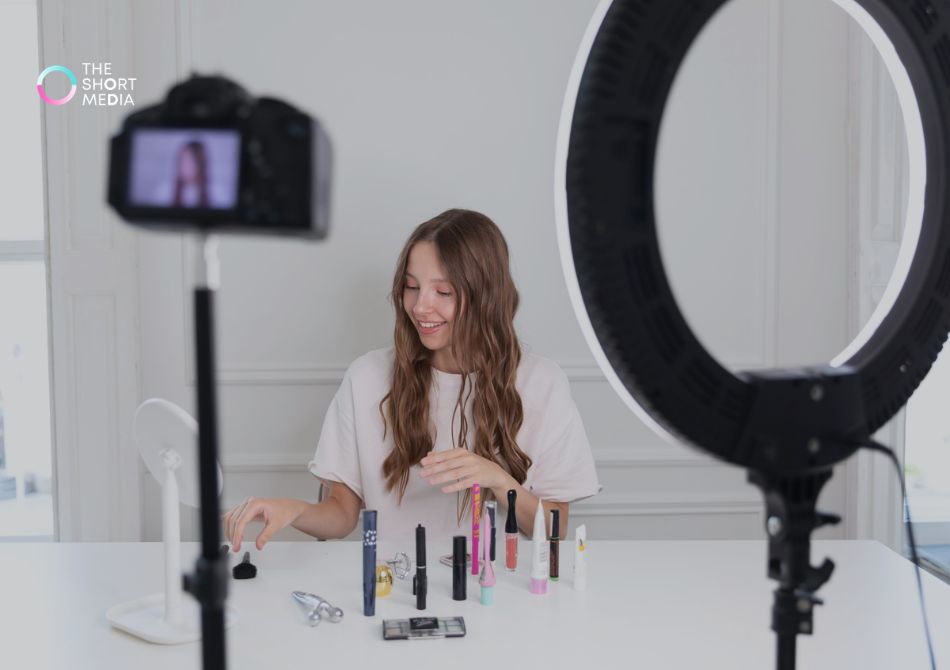
A few months ago, I watched a beauty brand spend real money on a polished video ad that looked like it belonged on Hulu. Nice lighting, clean edit, approved messaging, all very safe. It flopped on TikTok. The comments were dead, the watch time was weak, and the CPA was ugly.
The next week, they tested a much simpler clip. A creator standing in her bathroom, slightly rushed, showing the product texture on camera and mentioning that she’d bought it after seeing three different people use it. That one moved. Not because it was “authentic” in some vague, overused way. It just looked like something people actually watch on the app.
That’s the part a lot of brands in the US still underestimate. TikTok isn’t just another place to run paid social. It’s pushing advertisers to rethink creative, media buying, landing pages, creator partnerships, even how they read customer feedback. If you’ve spent years building campaigns for Meta or YouTube, some of your instincts still help. Some absolutely don’t.
Why TikTok Ads feel different from every other paid channel
Most paid platforms reward refinement. TikTok often rewards relevance first, polish second.
That doesn’t mean low-quality content wins by default. It means content has to feel native to the feed. There’s a difference. I’ve seen food brands in the US run quick “fridge-to-plate” clips filmed in a real kitchen that outperformed studio recipe videos by a mile. Same product. Same offer. Different energy.
People scroll TikTok fast, but they’re also weirdly attentive when something catches. A line of dialogue, a product being used in a slightly unexpected way, a comment callout, a face that doesn’t look media-trained. Those details matter.
With TikTok Ads, the creative isn’t just the top of the funnel asset. It’s often where the audience decides whether your brand understands the platform at all.
And honestly, they can tell when you don’t.
I’ve seen brands jump on a trend two weeks too late, with legal-approved copy awkwardly stuffed into a sound everyone was already tired of. It rarely ends well.
The rise of tiktok advertising services in the US
This is where tiktok advertising services have become more useful than a lot of brands expected. Not because TikTok is impossible to manage in-house, but because the margin for “pretty good” is smaller than people think.
A decent agency or specialist team usually brings three things:
Creative systems, not just creative ideas
A lot of internal teams still approach TikTok as a campaign channel. Brief the concept, approve the script, produce the asset, launch, report. That workflow is too slow.
The better tiktok advertising services are built around volume and iteration. They’re sourcing creator content every week, testing hooks in batches, cutting multiple versions of the same footage, and learning from retention drop-off instead of just click-through rate.
That matters because one tiny edit can change the whole result. Sometimes the winning version is just the same clip with the payoff shown in the first second instead of the fifth.
Media buying tied closely to content
On TikTok, media and creative can’t live in separate silos. If an ad set struggles, it’s not always an audience issue. Very often, the content just doesn’t earn attention early enough.
Strong tiktok advertising services know how to read that. They don’t keep squeezing spend out of weak assets and calling it an optimization plan. They rotate faster, test broader, and usually have a better sense of when to kill a video that looked promising in the first 24 hours but clearly isn’t holding.
Creator coordination that doesn’t feel stiff
This one’s underrated. A creator reading a script too perfectly can tank a piece of content before the offer even appears. You can almost hear the approval process in the delivery.
US brands that do well with TikTok Ads usually loosen the grip a bit. Give creators talking points, not a speech. Let them phrase things like a person. Keep the product truth in there, obviously, but stop sanding off every edge.
TikTok Ads are changing what “good creative” means
For years, many advertisers treated creative as a brand asset first and a performance asset second. TikTok has messed with that order.
A home products brand might find that a quick clip of someone fixing a genuinely annoying problem — cabinet clutter, pet hair on stairs, hard water stains in a shower — beats a cleaner brand anthem every single time. A fitness supplement company may get stronger results from a creator talking through her routine in a car after the gym than from a glossy transformation montage.
That doesn’t mean brand building disappears. It just shows up differently.
The strongest TikTok Ads usually have some friction in them. Not bad friction. Human friction. A slightly messy countertop. A person speaking a little too fast. A comment screenshot worked into the edit because that’s where the real objection surfaced. I’ve had campaigns where the comments section basically rewrote the landing page for us. People kept asking if the product worked on coarse hair, if the container was recyclable, if the “natural” scent meant unscented. The sales page hadn’t answered any of that.
TikTok gives you those signals in public, and fast.
What US brands are learning the hard way
A lot of American brands came into TikTok expecting it to behave like Meta with younger users. That’s usually where the frustration starts.
Trend-chasing isn’t a strategy
You don’t need to build every ad around a trend. In fact, some of the best-performing TikTok Ads barely use trends at all. They use platform language — pacing, framing, editing rhythm, creator tone — without forcing a meme into the brief.
Retail launches are a good example. If you’re putting a new snack brand into Target, a simple “found this at Target, here’s the flavor I’d skip and the one I’d rebuy” video can do more than a trend remix with a giant product logo in the first frame.
The landing page still matters. A lot.
TikTok can create interest quickly, but it also exposes weak post-click experiences. If the ad feels casual and specific, then the landing page feels stiff, overdesigned, and vague, conversion rates usually suffer.
I’ve seen Amazon-focused brands run solid TikTok Ads to a generic storefront and wonder why sales lagged. Then they swapped in a tighter product page with stronger review visuals, a short demo GIF, and copy that matched the ad’s tone. Better result. Not magic. Just less disconnect.
Local and service businesses can work here too
People still talk about TikTok like it’s only for beauty, fashion, or trendy DTC brands. That’s outdated.
Some local service businesses in the US are quietly good at this. Med spas, dentists, home cleaning companies, HVAC businesses, even injury law firms in certain markets. The ones that get traction usually stop trying to “go viral” and start making useful, watchable videos tied to actual customer concerns. Before-and-after clips. Staff explaining a common mistake. A technician showing what caused the problem in a real home. Straightforward stuff.
That’s also where tiktok advertising services can help smaller teams that don’t have an in-house editor, media buyer, and creator network sitting around.
Where tiktok advertising services fit best
Not every brand needs outside help. Some in-house teams are excellent on TikTok because they’ve built fast feedback loops and they’re comfortable making a lot of content without treating every asset like a board presentation.
But tiktok advertising services are usually worth considering when:
– your team keeps overproducing creative that doesn’t perform
– paid social and creative are managed by separate people who barely talk
– creator sourcing is inconsistent
– reporting focuses on spend and ROAS, but not on retention, hooks, or comments
– you’re launching in the US and need speed more than ceremony
The good providers don’t just traffic campaigns. They help brands build a working TikTok system.
And that’s really what this platform demands now. Not one hero ad. Not one trend. A system.
TikTok Ads and the future of digital advertising
What TikTok is doing to US advertising is less about one app winning attention and more about a broader shift in expectations.
Consumers are getting used to ads that look closer to content, creators influencing performance outcomes more directly, and feedback loops that happen in comments before they happen in formal research. Creative is becoming less static. Media buying is more dependent on content velocity. Product teams are getting signals from paid campaigns. That wasn’t standard a few years ago.
Even brands that don’t spend heavily on TikTok Ads are already feeling the pressure. You can see it in Meta creative, in Amazon video strategy, in retail launch content, in how founders now show up on camera. TikTok has pushed the market toward faster testing and more human presentation, whether people want to admit it or not.
That shift isn’t always comfortable. Legal teams hate some of it. Brand teams definitely hate some of it. But if you’ve watched enough campaigns on this platform, you start to see the pattern: the brands that adapt tend to learn faster than the ones still trying to make TikTok behave like a polished ad channel from five years ago.
FAQ
1. Are TikTok Ads only worth it for younger audiences?
Not really. Younger users are still a major part of the platform, but plenty of campaigns in home goods, food, wellness, and local services reach older buyers too. The bigger issue is whether your creative fits the platform. A 42-year-old homeowner will still scroll past a stiff ad.
2. How much creative do you actually need to run TikTok well?
Usually more than brands expect. Not 50 polished videos a month, but enough variation to test hooks, formats, creators, and offers without recycling the same asset into the ground. If you’re running paid consistently, a thin creative pipeline becomes obvious fast.
3. Do tiktok advertising services make sense for small businesses?
They can, especially if the business owner is trying to do everything alone and the account never gets enough testing volume. That said, a small business doesn’t need a giant agency setup. Sometimes a lean specialist or freelancer with strong editing and paid social experience is the better fit.
4. What kinds of products tend to do well with TikTok Ads?
Products with a visible use case usually have an easier start. Beauty, kitchen tools, cleaning products, fitness accessories, snacks, pet items. But I’ve also seen “boring” products work when the angle is specific enough. If the ad shows a real problem being solved, that goes a long way.
5. Do you need creators, or can brands make their own ads?
You can absolutely make strong in-house ads. Some founder-led brands do especially well because the person on camera knows the product better than anyone. Still, creators help when you need variety, different faces, or a less branded tone. Just don’t over-script them. That part gets painful pretty quickly.
6. Is TikTok mostly a top-of-funnel channel?
It starts there for a lot of brands, but it doesn’t stay there. With the right offer, smart retargeting, and decent post-click experience, it can drive direct response just fine. The mistake is assuming attention alone will carry the sale.
7. How long does it take to see results?
Sometimes you’ll spot a strong signal in a few days. Sometimes it takes a few creative rounds before anything clicks. If a team is testing seriously, they can usually tell whether they have a creative problem, an offer problem, or a landing page problem within the first couple of weeks.
8. What’s the most common reason TikTok campaigns fail?
Usually? The ad doesn’t feel native, and nobody wants to admit that’s the issue. Teams will blame targeting, seasonality, budget, attribution — all possible, sure. But a lot of weak campaigns are just built on videos that look like they were approved by twelve people and enjoyed by none.