

I’ve sat in too many kickoff calls where someone says some version of, “We’ll test TikTok, but I don’t think our customer is really there.”
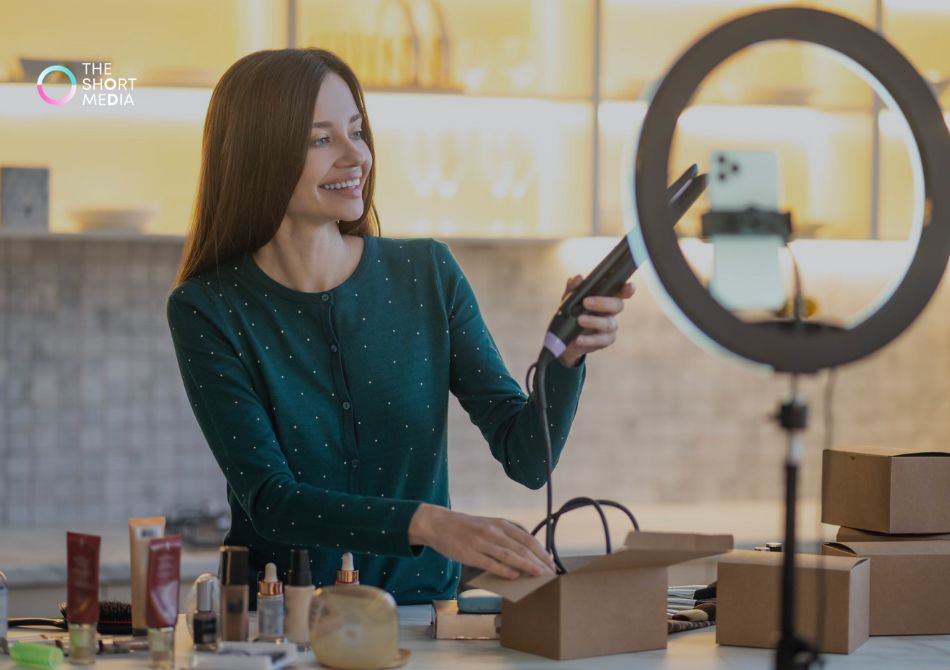
Then a few weeks later, the same team is asking why a shaky iPhone demo filmed near a kitchen window is beating the polished brand spot they paid real money to produce.
That’s usually how this goes.
A lot of US brands still walk into TikTok with the wrong mental model. They assume it’s a younger audience, random viral content, low buying intent, messy attribution, and maybe a place to repurpose social clips if there’s budget left over. But when tiktok ads for business are set up with the right creative, the platform can outperform expectations pretty fast, especially for brands that have struggled with rising Meta costs or stale display campaigns.
Not every account wins. Plenty don’t. But the gap between what brands expect from TikTok and what it can actually do is still pretty wide.
The platform behaves more like discovery media than traditional paid social
A lot of tiktok business ads work because people don’t arrive in the same mindset they bring to Facebook or YouTube. They’re not necessarily searching for a product. They’re open to being pulled into one.
That difference matters.
If you sell a beauty product in the US, for example, a standard ad saying “24-hour wear” may not do much. A creator applying it in bad bathroom lighting and saying, “I honestly thought this would crease by lunch,” can get attention immediately because it feels like something you’d stop and watch even if you weren’t planning to shop.
Same thing with food brands. I’ve seen frozen snack brands get traction not from glossy product shots, but from a quick air fryer clip filmed in a real kitchen, with someone narrating what they liked and what they didn’t. A little imperfect. More believable.
That’s where tiktok business ads catch brands off guard. The ad doesn’t need to look expensive. It needs to feel watchable.
Creative that looks “less finished” often does better
This is the part some internal teams struggle with.
A brand spends weeks refining a campaign, legal reviews every line, the founder wants premium visuals, and the paid team ends up launching a video that feels like a commercial dropped into a feed full of human behavior. It sticks out in the wrong way.
Meanwhile, a simple UGC-style video with decent pacing and a clear product moment gets lower CPAs.
Not always. But often enough that it stops being a fluke.
With tiktok ads for business, overproduced creative can hurt performance if it kills the sense that a real person is showing you something worth noticing. You can feel it when a creator reads a script too perfectly. The pauses are too clean. The “surprise” sounds rehearsed. Comments usually tell on it before the metrics do.
I’ve also seen brands join a trend about two weeks too late and wonder why the ad feels dead on arrival. TikTok moves fast, but that doesn’t mean you need to chase every trend. Usually, you just need content that feels current in tone and native in structure.
That’s a better use of time than trying to manufacture virality.
Why tiktok business ads work for more than impulse buys
There’s still this lazy assumption that TikTok only works for cheap gadgets, cosmetics, or products with obvious visual hooks.
That’s not really true anymore.
Sure, beauty does well. Fitness accessories, supplements, kitchen tools, home cleaning products, and Amazon-friendly impulse items all make sense there. But I’ve also seen tiktok business ads help with less obvious categories: local med spas, home services, specialty food subscriptions, even retail launches where the goal was store traffic in specific US markets.
For local businesses, the creative usually matters more than people expect. A dentist office in Austin or a fitness studio in Chicago doesn’t need a slick campaign. They need a strong local face, a believable offer, and a video that sounds like a person from that city, not a franchise deck.
For DTC brands, TikTok can surface objections early. That’s one of the underrated benefits. Comments will tell you what your landing page forgot to explain. Shipping time, shade matching, ingredients, sizing, whether it works on textured hair, whether the pan is actually nonstick after three months. Sometimes the comment section is more useful than a formal survey.
And those insights make the next round of tiktok business ads better.
The algorithm is better at finding pockets of demand than most brands expect
This is where teams coming from older paid social habits get tripped up.
They want to over-control everything: tiny audience segments, too many exclusions, too much confidence in who the buyer is before the campaign has enough data. TikTok often responds better when you give it room, especially if the creative is doing its job.
That doesn’t mean targeting doesn’t matter. It does. But with tiktok ads for business, I’ve seen broad setups outperform tightly layered audiences because the platform can find users who behave like likely buyers even when they don’t fit the neat persona from the brief.
A home organization product is a good example. The internal team may picture suburban moms 35–54. The winning ad ends up pulling in younger renters, first-time homeowners, and people watching “clean my apartment with me” content at midnight. That’s not a strategic failure. That’s the platform showing you where interest actually lives.
TikTok rewards volume of learning, not one “hero ad”
Some brands still treat TikTok like a campaign channel. They launch three videos, wait, and assume they’ve learned enough.
Usually they haven’t.
The accounts that improve fastest tend to test a lot of creative angles without making each asset feel overworked. Different hooks. Different opening frames. Different creators. Different use cases. A founder video, then a customer-style demo, then a comparison clip, then a simple “here’s what I didn’t expect” angle. Not everything wins. That’s normal.
What matters is that tiktok business ads produce feedback quickly. You can often tell within a short window whether a hook is getting watched, whether the product moment lands, whether the CTA feels natural or forced.
This is why brands that treat TikTok as an ongoing creative testing engine tend to do better than brands that treat it like TV-lite.
US brands also benefit from TikTok’s retail and Amazon spillover
Not every sale will show up neatly in-platform. That frustrates people, fair enough. But some of the strongest TikTok performance shows up in branded search, Amazon lift, retailer velocity, or repeat site visits.
I’ve watched tiktok ads for business make a product feel familiar before a shopper ever clicks. Then they buy later on Amazon, Target, or during a branded search session a few days after seeing the ad. If your team only judges success by last-click platform reporting, you’ll miss part of what’s happening.
This comes up a lot with CPG, beauty launches, and products entering retail. Someone sees the item three times on TikTok, then notices it at Ulta or Walmart and buys it there. The ad still did its job, even if attribution gives it half-credit or none at all.
Messy? A little. Still useful? Definitely.
What trips brands up when they start running tiktok business ads
The biggest problem usually isn’t media buying. It’s creative mismatch.
A few common mistakes:
– Treating TikTok like a place to dump edited Instagram videos
– Writing scripts that sound approved by six stakeholders
– Waiting too long to refresh winners
– Ignoring comments that reveal friction
– Assuming one creator can represent the whole customer base
I’d add one more: expecting immediate scale from weak proof.
If the product doesn’t demo well, if the offer is vague, if the landing page feels disconnected from the ad, tiktok business ads won’t magically fix that. TikTok can create attention fast, but it also exposes weak positioning pretty quickly. Sometimes that’s uncomfortable. Still useful, though.
So why do results beat expectations?
Usually because expectations were based on the wrong comparison.
Brands expect a chaotic awareness channel. What they get is a platform that can blend discovery, social proof, product education, and conversion signals in the same piece of content. Not every time. But often enough that it changes budget conversations.
The strongest tiktok ads for business don’t feel like a brand trying to interrupt someone. They feel like a person showing something worth a second look. That’s a subtle difference, but on TikTok it changes a lot.
And for US brands dealing with crowded categories, expensive clicks, and tired creative elsewhere, that difference can be enough to make TikTok outperform the forecast.
FAQ
1. How much should a US brand spend to test TikTok ads?
You don’t need a huge launch budget, but you do need enough to test multiple creatives properly. For many brands, a few thousand dollars is enough to get directional learning. Spending too little usually just creates confusing data and panic.
2. Are TikTok ads only good for younger audiences?
Not really. The audience is broader than a lot of teams assume, especially in categories like home, food, personal care, and fitness. I’ve seen products aimed at adults in their 30s and 40s perform well when the creative didn’t feel like it was trying too hard to be “for TikTok.”
3. Do polished brand videos ever work?
Sometimes, sure. But they usually need editing choices that feel native to the platform. A beautiful studio shoot can still work if the pacing is right and it doesn’t feel like a pre-roll ad from 2018.
4. What kind of products tend to do well?
Products with a visible use case have an easier start. Beauty, kitchen tools, cleaning products, fitness items, snacks, and home gadgets often get traction quickly. But less visual offers can work too if the hook is specific and the person on camera is believable.
5. How many creatives should a brand test?
More than most teams think. Three videos isn’t much. If you’re serious about learning, you’ll want a mix of hooks, creators, formats, and messages running consistently, then refresh based on what comments and watch time are telling you.
6. Is TikTok worth it for local businesses in the USA?
It can be, especially if the business has a face people can connect with. Local service brands often do better with simple, direct videos than with polished ads. A real employee explaining a common problem tends to beat generic promo footage.
7. Why do comments matter so much on TikTok?
Because they reveal what people are stuck on before they buy. Sometimes you’ll find the same objection repeated ten times in a day, and suddenly you know exactly what the next ad or landing page section needs to address.
8. Should brands use creators or make content in-house?
Usually both. Creators can bring range and credibility, while in-house content can move faster and cost less. Also, some founders are surprisingly good on camera. Some are… not. Better to figure that out early.
9. Is attribution a problem on TikTok?
It can be messy, yeah. Especially if people see the ad, then buy later on Amazon or through branded search. That doesn’t mean the ads aren’t working. It means you need a wider view than platform-reported conversions alone.