

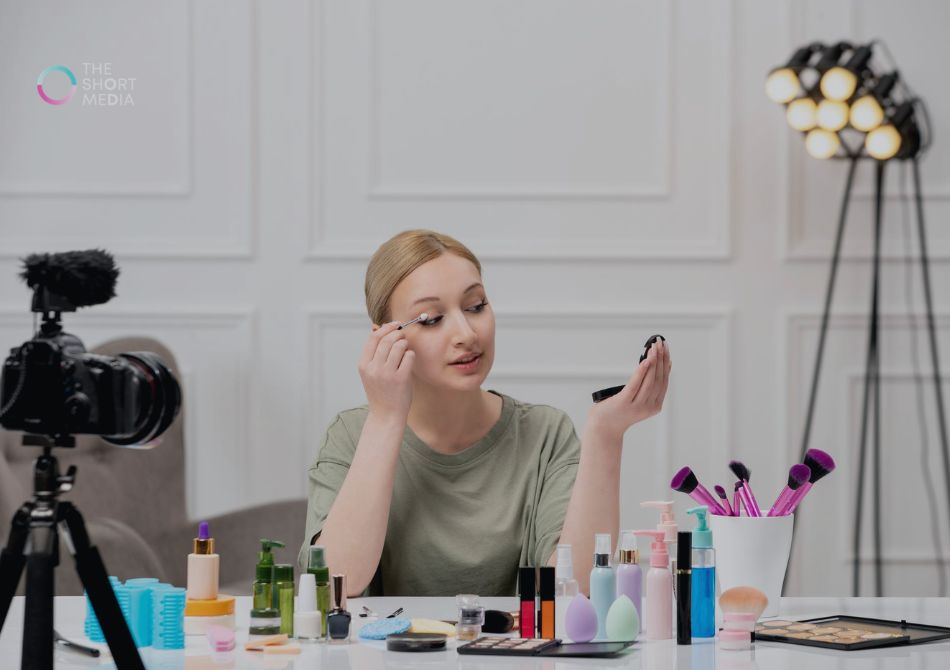
A few months ago, I watched a decent U.S. beauty brand approve a batch of TikTok videos that looked fine on paper. Clean hooks. Trend references. Product shots. The agency had even organized everything neatly in a deck.
Then the videos went live.
Comments were flat. Watch time dropped early. One creator read the script so perfectly it felt like a hostage video. Another clip used a trend that had already burned out—honestly, probably two weeks too late. Meanwhile, a quick iPhone demo filmed by the founder in her bathroom got better saves than the polished edits.
That’s usually the moment when a brand starts wondering whether the problem is TikTok itself, the product, or the team running it.
Sometimes it’s the team.
A tiktok marketing company can help a brand get traction fast, especially when internal teams are stretched thin. But there comes a point where the same partner that helped you start may not be the right one to help you scale. Different stage, different needs. I’ve seen this with DTC skincare, packaged food, fitness apps, home gadgets, even local service brands trying to expand across U.S. markets.
If your account feels stuck, or your paid social team keeps saying “we need better creative” and nothing changes, here are the signs your brand may have outgrown its current setup.
When a tiktok marketing company starts feeling too small for the job
Not every agency problem looks dramatic. Usually it shows up in little ways first. Slow iteration. Generic creator picks. Reporting that says a lot without saying much.
Here’s what to watch for.
1. They keep pitching trends instead of a real content system
There’s nothing wrong with trends. But if your agency’s entire strategy is “we should do this sound” or “let’s react to this meme,” that gets old fast.
A strong TikTok Growth Agency should be building repeatable content pillars around how your audience actually shops, compares, hesitates, and buys. For a food brand, that might mean recipe utility, taste reactions, and “fridge raid” style demos. For a home product on Amazon, maybe it’s side-by-side comparisons, setup clips, and ugly-but-honest before-and-afters.
Trends can support that. They can’t replace it.
I’ve seen too many agencies confuse activity with strategy. Posting often isn’t the same as learning.
2. Your paid team is begging for new creative angles, and they’re still recycling the same three concepts
This one comes up a lot with tiktok marketing services tied to performance media.
At first, a few winning angles can carry results. Then frequency creeps up, CPAs rise, and suddenly every ad variation feels like the same video with a different opening line. If your paid social team keeps asking for fresh hooks, different objections, stronger demos, or UGC with more believable delivery—and your agency keeps sending minor edits—you’ve got a mismatch.
A good TikTok Growth Agency understands that organic and paid creative should inform each other. Comments under organic posts often reveal the exact objections your landing page missed. “Will this work on textured hair?” “Does this stain white countertops?” “How loud is it in a small apartment?” That stuff matters. It should shape the next round of content.
3. They don’t really understand your category anymore
Some agencies are great at early-stage creator sourcing but weak once your brand gets more complex.
Beauty needs shade matching, texture shots, ingredient concerns, creator credibility. Food brands need appetite appeal without looking overproduced. Fitness brands need proof without drifting into cringe transformation bait. Local service brands in the USA need geo relevance, not broad internet humor that could belong to anyone.
If your current partner still treats your brand like a generic consumer product, they may not be equipped for where you are now. A mature tiktok marketing company should know how people buy in your category and what kind of proof actually moves them.
4. Their creator content feels weirdly over-scripted
You can spot this in five seconds.
The creator stares dead-center, nails every line, hits the CTA exactly, and somehow the whole thing feels less trustworthy because it’s too clean. That’s not a creator problem most of the time. It’s a briefing problem.
A solid TikTok Growth Agency knows how to guide creators without sanding off their personality. Some of the best-performing videos I’ve seen had slight imperfections: a missed word, a dog barking in the background, a kitchen counter that looked like a real kitchen counter. Not chaos. Just enough reality to feel watchable.
If every creator asset sounds like your legal team wrote it, your agency may be optimizing for approval, not performance.
5. Reporting is polished, but not especially useful
A lot of tiktok marketing services look impressive in a monthly recap. Charts, thumbnails, engagement summaries, trend notes.
Then you ask a simple question—what exactly did we learn from last month’s content?—and the answers get fuzzy.
Useful reporting should tell you things like:
– product demos filmed in a lived-in setting outperformed studio footage
– creators over 30 drove stronger conversion intent for a wellness SKU
– “how to use it” hooks held attention longer than discount-led hooks
– comments showed confusion around sizing, which should be addressed in the next batch
That’s the kind of reporting that helps a brand make better decisions. Everything else is decoration.
6. They’re slow, and TikTok punishes slow
This isn’t a channel where you can spend three weeks debating a caption.
If your agency takes forever to brief creators, approve edits, react to a trend, or turn comment insights into new content, you’re probably losing momentum. And not in some abstract way. I mean actual lost opportunities: a retail launch that needed social proof before shelf placement expanded, an Amazon product that needed fresh UGC before Prime Day, a CPG brand that should’ve had creator reviews ready before a Target endcap hit stores.
A capable tiktok marketing company should feel responsive, not frantic but definitely not sleepy.
7. They still treat organic and paid like separate planets
This is one of the clearest signs a brand has outgrown basic tiktok marketing services.
At smaller stages, you can get away with siloed work. One team posts organic. Another team runs Spark Ads. Nobody shares much besides links. Once budgets grow, that setup starts wasting money.
A better TikTok Growth Agency connects the dots. They know which organic posts deserve paid support, which creator formats travel well into acquisition, and which hooks attract views but weak buying intent. Those are different things, by the way. Plenty of videos “win” in-feed and do almost nothing for revenue.
If your agency celebrates vanity metrics while your paid team quietly struggles, pay attention.
8. They can’t support bigger business moments
There’s a difference between keeping an account active and helping a brand through a real growth phase.
Maybe you’re launching into retail. Maybe your founder is becoming part of the content engine. Maybe your Amazon listing needs stronger social proof. Maybe you’re a local services brand expanding from one metro area to five. At that point, a tiktok marketing company needs to think beyond posting cadence.
Can they coordinate creators around a product drop? Can they build content for seasonal retail windows in the USA? Can they adapt for different customer segments without making everything feel generic? Can they work with internal brand, paid, and ecommerce teams without turning every request into a bottleneck?
That’s where a lot of agencies get exposed.
9. You’ve started doing their best work in-house
This is usually the final sign.
Your internal team notices that quick founder clips outperform agency content. Your customer support lead surfaces better comment insights than the monthly report. Your paid buyer comes up with stronger hooks than the creative team. Someone on the ecommerce side suggests a product comparison angle that should’ve been obvious from the start.
At that point, it doesn’t necessarily mean your agency is bad. It just means your business has evolved past what they’re built to do.
A stronger TikTok Growth Agency should raise the level of thinking in the room. If your team is carrying that role already, it may be time to switch partners—or rebuild the model entirely.
What better tiktok marketing services actually look like
The good agencies don’t just post more. They notice more.
They catch that a protein snack performs better when creators show the texture immediately instead of talking for eight seconds first. They see that a home cleaning product gets stronger comments when filmed under bad overhead lighting because people believe the result more. They know a trend can work for a fashion brand but feel painfully forced for a plumbing company in Phoenix.
Good tiktok marketing services also get more practical as brands grow. Clear testing plans. Faster feedback loops. Better creator matching. Less obsession with looking “on brand” in the old polished sense, and more focus on making content people will actually finish.
That doesn’t mean sloppy. It means useful.
And if you’re hiring a new tiktok marketing company, ask less about follower growth and more about process. How do they source creators? How do they turn comments into briefs? How do they decide what gets paid support? How fast can they produce a second round when the first one misses?
Those answers tell you more than a shiny case study ever will.
FAQs
1. How do I know it’s the agency and not just TikTok being unpredictable?
Some volatility is normal. But if the same issues keep repeating—stale concepts, slow turnaround, weak creator fit, vague reporting—it’s probably not random platform behavior. You’re looking for patterns, not one bad month.
2. Should I replace my agency or build an in-house team?
Depends on your stage. A lot of brands do well with a hybrid model: internal strategy and fast feedback, outside help for creator sourcing and production. If you already have strong internal creative instincts, that setup can work really well.
3. What should I expect from a TikTok Growth Agency at a higher level?
Sharper creative testing, faster iteration, stronger creator direction, and actual insight from performance. Not just “this post did well,” but why it did, what it means, and what gets tested next.
4. Are follower counts still a good way to judge performance?
Not really on their own. I’ve seen accounts with modest follower numbers drive excellent paid creative and strong sales lift. I’ve also seen big view spikes that did basically nothing for the business. Context matters.
5. How often should a brand refresh TikTok creative?
Usually more often than they think. If you’re spending on ads, creative fatigue can show up quickly. Even for organic, a concept that worked in March may feel tired by April. Annoying, but that’s the pace.
6. Can a local U.S. business benefit from tiktok marketing services too?
Absolutely, especially if the service is visual or has strong word-of-mouth potential. Med spas, dentists, fitness studios, home services, realtors—these can all work, but the content needs local texture. Generic scripts won’t carry it.
7. What’s a red flag during an agency review process?
If they talk mostly about trends and almost nothing about workflow, testing, or feedback loops, I’d be cautious. Same if every example looks polished but none of it sounds like it came from real customer behavior.
8. Do polished brand videos still have a place on TikTok?
Sure, sometimes. Product launches, retail moments, founder storytelling—there’s room for higher production. But if that becomes the default, performance usually slips. A product demo shot on a kitchen island can beat a studio setup pretty easily when it feels more believable.
9. Is it normal for the best-performing content to feel a little messy?
Honestly, yes. Not careless. Just less airbrushed. Some of the strongest TikTok content looks like a real person made it between meetings, which, a lot of the time, is exactly what happened.