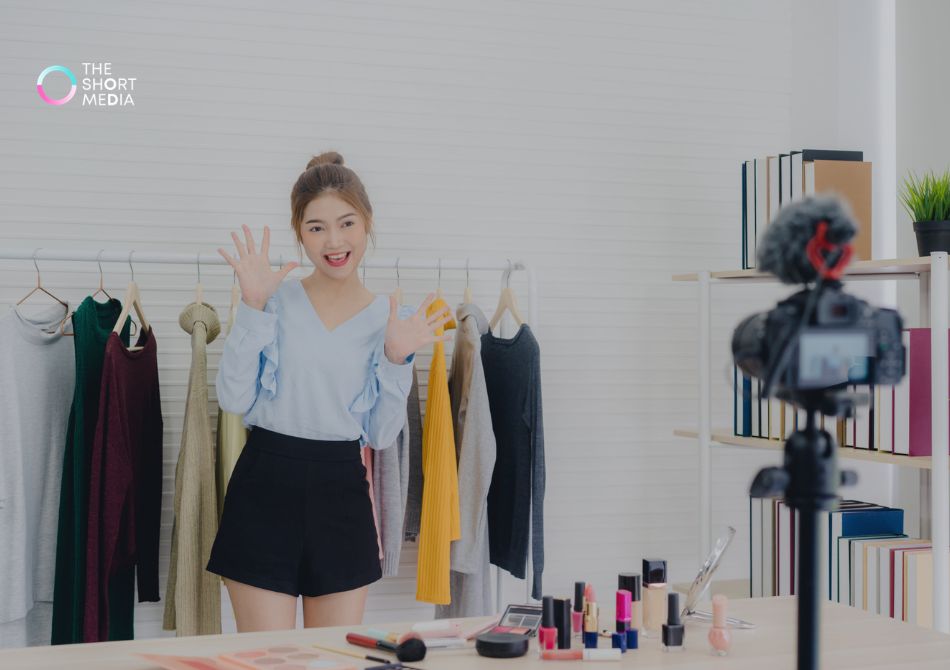
I’ve watched this happen more than once: a brand comes in frustrated because Meta CPMs are creeping up, Instagram reach feels weirdly inconsistent, and their polished creative team keeps shipping assets that look expensive but don’t move much. Then they post a rough TikTok demo filmed on a phone in somebody’s kitchen—bad overhead light, slightly awkward voiceover, not even fully color-corrected—and that’s the piece that gets comments, saves, and actual sales.
Not every brand wins on TikTok. Plenty don’t. Usually because they show up with the wrong instincts.
The reason TikTok keeps working when other channels flatten out isn’t magic. It’s that the platform still rewards relevance, pace, and creative volume in a way that many brands aren’t built for yet. If you adjust for that, results can look surprisingly strong, especially for US consumer brands trying to get attention without burning through budget.
TikTok doesn’t reward polish the way other feeds do
A lot of teams still approach short-form video like they’re producing mini commercials. That tends to backfire.
On TikTok, users are moving fast. They’re not sitting there admiring your lighting setup or your logo animation. They’re deciding, almost instantly, whether the clip feels worth staying for. That’s why a product founder talking directly to camera can outperform a fully edited brand spot. It feels closer to how people already use the app.
I’ve seen a beauty brand spend weeks on a campaign shoot, only to have a creator’s quick “I didn’t think this would work on my acne-prone skin, but…” video beat the hero asset by a mile. Same product. Same offer. Different level of friction.
This is where good tiktok marketing services usually help. Not by making things prettier, but by helping brands stop overproducing content that doesn’t fit the environment.
The feed still gives newer brands a real shot
On more mature platforms, distribution often feels like it’s tied to your existing audience, your ad budget, or both. TikTok can still surface content from brands people have never heard of, if the creative earns attention quickly enough.
That matters a lot for:
– DTC brands launching a new SKU
– Amazon products that need social proof outside the listing
– regional food and beverage brands trying to break nationally
– local service businesses in crowded US metros
– retail launches that need momentum before shelf placement expands
A small home product brand can post a simple “watch this solve the annoying thing under my sink” video and get traction without years of audience-building. Not every time, obviously. But often enough that it changes the math.
A strong TikTok Growth Agency understands that this isn’t just about posting more. It’s about identifying the angle that gets a thumb to stop. Sometimes that angle is a problem-solution demo. Sometimes it’s comments. Sometimes it’s a creator who looks just credible enough, not too polished, not reading a script like they’re hostage on a Zoom call.
TikTok is unusually good at exposing what your customer actually cares about
Comments on TikTok can be messy, but they’re useful. Really useful.
You’ll see objections that never showed up in your paid social brief. A fitness brand might think the biggest barrier is price, then TikTok comments reveal people are actually confused about setup time or whether the resistance level works for beginners. A food brand might assume everyone cares about flavor first, then comments keep asking where it’s sold in Texas and whether it’s seed-oil-free.
That kind of feedback loop is one reason tiktok marketing services can be more valuable than people expect. Good teams aren’t just posting content. They’re reading the room, spotting patterns in comments, and turning those into the next round of hooks, creator briefs, and landing page updates.
I’ve seen comments fix sales pages. Literally. One home cleaning brand kept getting “does this leave residue on quartz?” under their videos. The product page barely addressed surfaces at all. Once they added that detail and made a few response videos, conversion got cleaner.
Not glamorous. Effective.
Why paid works better here when the organic side is alive
There’s a common mistake brands make with TikTok ads: they treat them like repurposed Meta video ads with a TikTok font slapped on top.
Usually doesn’t go well.
Paid TikTok performs better when there’s a functioning organic engine behind it, or at least a content development process that behaves like one. You need a steady stream of concepts, creator variations, hooks, edits, and angles. The winning asset often isn’t the one anyone predicted in the kickoff meeting.
That’s why many brands hire a TikTok Growth Agency after wasting a few months trying to run the platform through a traditional paid social workflow. TikTok punishes creative rigidity. If your approval process takes three weeks, the trend is over, the sound is stale, and your “reactive” post is now just late.
The better tiktok marketing services teams build systems for volume without making everything feel disposable. They’ll test founder clips, customer-style demos, stitched reactions, creator UGC, retail callouts, Amazon-focused explainers. Some pieces are ugly. Fine. Ugly can work.
It’s less about trends than people think
A lot of marketers still reduce TikTok to dancing, trending sounds, and brand accounts trying too hard. That’s outdated.
Trends can help, sure, but they’re not the whole thing. For a lot of US brands, especially in categories like beauty, supplements, household products, and snacks, the bigger driver is demonstrability. If the product shows well, explains fast, or creates a little tension in the first second, it has a shot.
A kitchen gadget brand doesn’t need to chase every meme. It needs five believable ways to show the gadget fixing a small annoyance people recognize immediately. A local med spa doesn’t need to be funny every time. It needs content that makes the treatment feel less intimidating and more familiar. A protein brand might get more from a creator filming a post-workout shake in a messy apartment kitchen than from a pristine gym shoot.
That’s another reason tiktok marketing services matter: they keep brands from confusing “TikTok-native” with “chaotic.” There’s still strategy involved. Just not the stiff kind.
A TikTok Growth Agency can close the gap between content and commerce
This is where I get slightly opinionated. A lot of agencies say they do TikTok because they can edit vertical video and run ads. That’s not enough.
A real TikTok Growth Agency should understand creator sourcing, organic testing, paid amplification, comment mining, landing page alignment, and retail or Amazon implications. If a product is available at Target, Walmart, or on Amazon, that changes the creative. If the goal is store traffic in Chicago or Houston, that changes the callout. If the founder is charismatic on camera, use that. If they’re stiff, don’t force it.
The best teams also know when not to over-direct creators. You can always tell when a script’s been approved by six stakeholders. The creator pauses in weird places, hits every product claim too neatly, and the comments get quiet. Then a looser version with one imperfect take and a genuine “wait, hold on” moment does better.
That gap between what a brand wants to say and what people will actually watch—that’s the work.
And solid tiktok marketing services help bridge it without turning the whole channel into a content factory full of forgettable clips.
Where brands usually stall on TikTok
Most struggles come from a few predictable habits.
One is expecting immediate consistency. TikTok often rewards pattern recognition over time, not just one viral hit. Another is treating every post like a campaign asset. Another is ignoring creators who don’t look “premium” enough, even though they often feel more believable than polished talent.
I’ve also seen brands join a trend two weeks too late because legal review dragged on. At that point, don’t post it. Move on.
A smart TikTok Growth Agency will usually push for faster testing, looser briefs, and more honest creative evaluation. Not “does the team like it?” More like, “Would this stop someone who doesn’t know us and give them a reason to care in the first two seconds?”
That’s a better standard.
Why this matters now
When other platforms get expensive or stale, brands start looking for some dramatic fix. TikTok usually isn’t that. It’s more practical than that.
It gives brands room to test messages in public, find creators who can carry trust better than a logo can, and learn which product angles actually make people respond. For US brands across beauty, food, fitness, home, and local services, that’s useful whether you’re spending $3,000 a month or $300,000.
The brands that do well here usually aren’t the loudest. They’re the ones willing to make more creative, learn faster, and stop insisting that every video look approved by committee.
That’s why TikTok keeps moving while other channels feel stuck.
FAQ
1. Do you need a big budget to make TikTok work?
Not really, but you do need enough budget to test. A smaller brand can get useful traction with a modest creator budget and a steady posting rhythm. What hurts more is spending too little to learn anything, then deciding the platform “doesn’t work.”
2. How often should a brand post on TikTok?
More often than most teams are comfortable with. For many brands, 4 to 7 posts a week is a decent working range if the content pipeline is healthy. If you can only manage one precious post every Friday, it’s going to be hard to see patterns.
3. Are trends required?
No. Sometimes they help, sometimes they make a brand look late and awkward. Product demos, customer objections, before-and-after proof, founder commentary, and creator reviews often hold up better than trend-chasing.
4. What kinds of businesses usually do well with tiktok marketing services?
Products that show clearly tend to have an easier time: skincare, snacks, cleaning tools, fitness accessories, kitchen items, pet products. But I’ve also seen local services do well when the content makes the experience feel concrete—dentists, med spas, even HVAC companies, weirdly enough.
5. Should organic and paid be handled by the same team?
Ideally, yes. Or at least by teams that talk constantly. If your organic side learns that “how to use it” beats “why it’s better,” your paid team should know that fast.
6. How do you know if a TikTok Growth Agency is actually good?
Ask to see how they think, not just what they made. You want to know how they test hooks, what they learned from comments, how they brief creators, and how they decide which organic posts deserve paid spend. If all they show is pretty edits, keep looking.
7. Can TikTok help Amazon sales, or is it mostly for DTC sites?
It can absolutely help Amazon. In fact, some products do better when the TikTok content matches the way people shop on Amazon—quick proof, obvious use case, low friction. The handoff matters, though. If the video promises one thing and the listing feels generic, performance drops.
8. What’s the biggest mistake brands make with tiktok marketing services?
Hiring for output instead of insight. Getting 30 videos a month sounds nice until you realize none of them are teaching you anything. You want content, sure, but you also want pattern recognition. That’s the part people skip.
9. How long does it take to see results?
Sometimes a week, sometimes a couple of months. Annoying answer, I know. Usually you’ll see signals before you see steady revenue—watch time, stronger hooks, better comments, lower CPA on certain creative styles. Those early signs matter.