

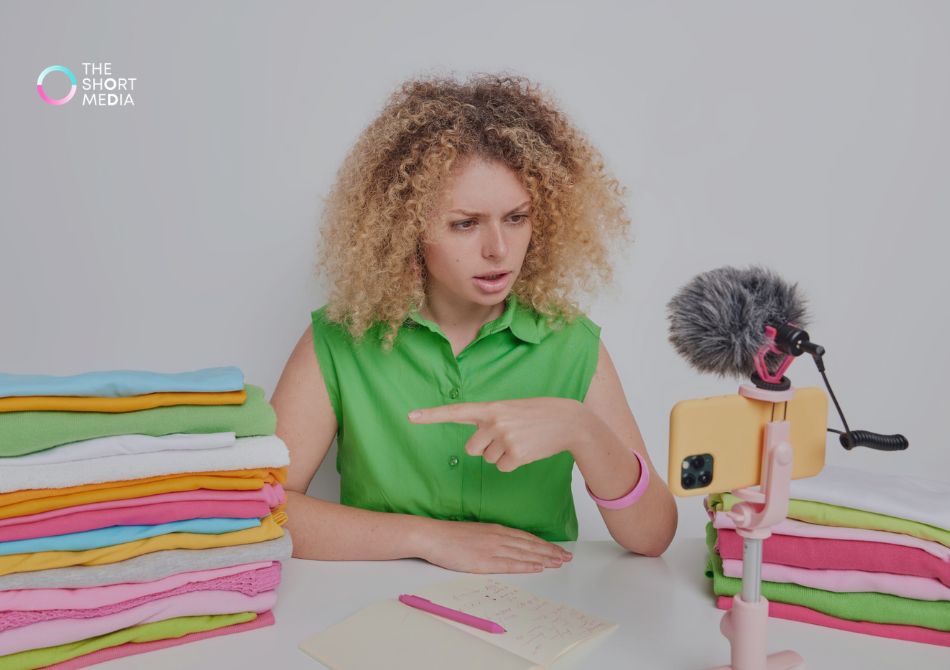
A few months ago, I watched a beauty brand spend weeks polishing Meta creative for a product launch. Clean lighting, tight copy, carefully cropped UGC, all of it approved by three people and a legal team. On TikTok, meanwhile, a creator filmed a quick “get ready with me” in her apartment bathroom, mentioned the product in passing, and drove more comments about shade match, wear time, and shipping than the polished campaign did in a week.
That’s the thing. A lot of US brands still treat TikTok like just another paid social placement. It isn’t. And when they do that, they usually end up saying TikTok “doesn’t work for us” after running the wrong kind of creative, with the wrong expectations, through the wrong setup.
If you’ve run paid media across Meta, YouTube, Pinterest, and TikTok, you already know the difference isn’t just CPMs or audience age. The difference is how people behave on the platform, how creative gets judged, and how quickly the market tells you what’s off.
TikTok isn’t just cheaper media. It’s a different feedback loop.
A lot of paid social platforms are built around interruption. TikTok is still interruption too, sure, but it behaves more like a content marketplace. That matters.
On Meta, a decent ad can survive on strong targeting and a familiar offer structure. On TikTok, weak creative gets exposed fast. People scroll. They comment. They tell you the product looks cheap, or the demo felt fake, or the creator sounded like she was reading a script she got ten minutes earlier. A little brutal, honestly. But useful.
For US businesses, that feedback loop is a huge advantage.
I’ve seen food brands learn more from TikTok comments in 48 hours than from a month of landing page testing. People will tell you the portion size looks small, the packaging seems hard to open, the flavor names are confusing, or the “healthy” claim doesn’t match the ingredient panel. A home product brand might think its angle is aesthetics, then TikTok comments reveal buyers care more about cleanup time and whether it fits under a sink.
That’s where tiktok business advertising starts to outperform standard paid social. You’re not just buying impressions. You’re getting live market reaction tied directly to creative.
The creative bar is lower. The creative pressure is higher.
This sounds contradictory, but it’s true.
You do not need expensive production to win on TikTok. In fact, polished studio content often underperforms. I’ve watched a kitchen demo shot on an iPhone beat a full studio setup for a cookware brand because the messy, real-life version answered actual buying questions. People could see grease splatter, cabinet lighting, the pan size next to a normal stove. It felt believable.
But the pressure is higher because the content has to feel native. That’s where many US teams miss it. They repurpose Facebook ads, trim them to 15 seconds, add captions, and call it a TikTok strategy. Usually a mistake.
Good tiktok business advertising tends to come from content that understands pacing, hooks, and the small social cues people pick up on instantly. A creator pausing half a beat too long before naming the brand. A script that sounds just a little too polished. A trend used two weeks too late. People notice.
And once they notice, performance gets expensive fast.
Why a TikTok advertising agency often beats an in-house “we’ll figure it out” approach
I’m not saying every brand needs outside help forever. Some in-house teams get very good at TikTok. But there’s a reason a solid tiktok advertising agency can outperform a general paid social team, especially early on.
Most internal teams are set up for campaign planning, approvals, and asset management. TikTok rewards speed, iteration, creator sourcing, comment mining, and creative testing that feels a little less precious. That’s a different operating model.
A good tiktok advertising agency usually brings three things brands underestimate:
They know what fake-native content looks like
This is harder than people think. Plenty of ads check all the boxes and still feel wrong. The hook is too ad-like. The creator is over-briefed. The product mention lands like a legal disclaimer. You can almost hear the approval chain in the final cut.
Teams that work in TikTok every day spot that stuff quickly.
They build around creators, not just ads
For many US brands, especially beauty, fitness, food, and DTC home products, creator volume matters more than one hero ad. You need different faces, different use cases, different comment sections, different tones. A single polished ad rarely carries the account for long.
That’s why tiktok business advertising often works best when creator content and paid media are planned together, not handed off in separate silos.
They test angles normal media teams skip
A generalist team might test offers. A strong tiktok advertising agency will also test whether the product should be introduced in the first two seconds or held until the reveal, whether a male creator performs better for a female skincare audience because it feels less scripted, or whether a local accent actually boosts trust for a regional service brand.
Those are not theoretical differences. They move spend.
TikTok reaches people in buying mode earlier than most teams expect
US businesses often think TikTok is upper funnel and Meta is where conversion happens. Sometimes that’s true. Sometimes it’s lazy media thinking.
TikTok is where a lot of product consideration starts now, especially for categories where demonstration matters. Beauty is obvious. So are cleaning tools, supplements, kitchen gadgets, fitness accessories, pet products, and Amazon items that need a visual “oh, that’s actually useful” moment.
I’ve seen tiktok business advertising work especially well for:
– A Texas med spa using creator-style explainer videos to drive consults
– A Midwest snack brand testing flavor reactions with college creators
– A DTC posture device that looked gimmicky on static ads but made sense in short demo clips
– An Amazon home organizer product that took off once customers showed how they actually used it in cramped apartments, not staged pantries
That early buying intent is often messy. People aren’t always clicking because they’re ready to purchase right then. They’re saving, searching, reading comments, checking your profile, then coming back later through branded search or retargeting. If your attribution model is too rigid, TikTok can look weaker than it really is.
That’s another reason brands hire a tiktok advertising agency. Not because agencies magically make the platform work, but because experienced teams know how to read the signals without panicking every time last-click reporting undersells the impact.
TikTok comments are basically free research
This gets overlooked all the time.
On other paid social channels, comments can be helpful, but TikTok comments are unusually revealing. People are blunt. They’ll tell you the product looks overpriced, or they don’t understand the subscription, or the before-and-after feels exaggerated. Sometimes they’ll explain your own buyer objections better than your internal team can.
For tiktok business advertising, those comments can shape everything:
creative hooks, landing page copy, creator briefs, offer framing, even packaging callouts.
I’ve seen a fitness brand discover that customers weren’t confused about the product itself. They were confused about assembly time. Nobody on the team had emphasized that. TikTok comments brought it up over and over. They changed the first line of the ad and conversion rate improved.
That kind of real-time insight is hard to replicate elsewhere.
US businesses that do well on TikTok usually stop trying to control everything
This is the uncomfortable part for a lot of brands.
TikTok generally punishes over-managed creative. Not always, but often enough. If every word is approved, every frame is polished, and every creator reads from the same script, the content starts feeling interchangeable. People scroll past it because it looks like work.
Strong tiktok business advertising usually has a bit more looseness to it. Not sloppy. Just believable.
A creator opens the package on a kitchen counter instead of a branded set. A founder records a quick response to a skeptical comment. A local service business films in the actual office instead of using stock-style lifestyle footage. Those details matter more than teams expect.
And they’re part of why TikTok often outperforms traditional paid social for US businesses. It gives brands more room to find what actually resonates before the message gets sanded down by process.
What to look for if you’re considering a TikTok advertising agency
Not every tiktok advertising agency is good, and some are really just Meta agencies selling a new slide deck.
Ask how they source creators. Ask how often they refresh creative. Ask what they do with comment insights. Ask to see examples where raw-looking content beat polished assets and what they changed after that. Ask how they handle Spark Ads, whitelisting, landing page alignment, and reporting when TikTok assists conversions rather than closes them directly.
A real tiktok advertising agency should be comfortable talking about ugly first drafts, fast testing cycles, and why some of the best-performing ads don’t look impressive in a boardroom.
That’s usually a good sign.
FAQ
1. Is TikTok only useful for younger audiences?
Not really. Younger users are still a big part of the platform, but plenty of US brands are reaching millennial buyers and even older segments, especially in home, wellness, food, and local services. The bigger issue is whether your product can be shown in a way that feels natural there.
2. How much creative do you actually need for TikTok ads?
Usually more than brands expect. Not because every asset has to be perfect, but because fatigue hits fast and small variations matter. A different opening line, a new creator, a better product demo angle — that can change results more than a full campaign rewrite.
3. Does TikTok work for local businesses in the USA?
It can, especially if the service has visual proof or a personality behind it. Think dentists, med spas, fitness studios, home cleaning, realtors, even HVAC in some markets. Weirdly enough, local content that feels specific to a city often performs better than generic “professional” ads.
4. Should brands post organically before running paid?
It helps, but I wouldn’t turn it into a rule. Some brands learn faster by running paid tests right away, especially with creator content. Still, if your profile looks abandoned, that can hurt trust a bit.
5. What budget makes sense for tiktok business advertising?
You don’t need a massive budget to start, but you do need enough to test properly. For many US businesses, that means setting aside budget for both media and content production, because weak creative is usually the thing that breaks first. Going cheap on creators and then blaming the platform… happens a lot.
6. Why do polished ads often struggle on TikTok?
Because they often answer the wrong problem. They look “good,” but they don’t feel believable in-feed. People want to see how something works in a real bathroom, car, kitchen, garage, not just under perfect lighting with a voiceover that sounds like it came from a brand manager.
7. Is a tiktok advertising agency worth it for smaller brands?
Sometimes yes, especially if your team is stretched thin or keeps repurposing ads from other channels. A good partner can shorten the learning curve. A bad one will just give you more reports and slightly worse creative, so vet carefully.
8. How do you know if TikTok is driving sales if attribution looks messy?
You look beyond one dashboard. Check branded search lift, view-through patterns, retargeting performance, comment quality, creator post saves, and what happens when spend increases in one market. It’s not tidy. That doesn’t mean it isn’t working.
9. What’s the most common mistake in tiktok business advertising?
Trying to make TikTok behave like Meta. That usually shows up in stiff hooks, over-edited videos, too much text, or ads that explain everything before giving people a reason to care. Keep it simpler. And a little more human.