
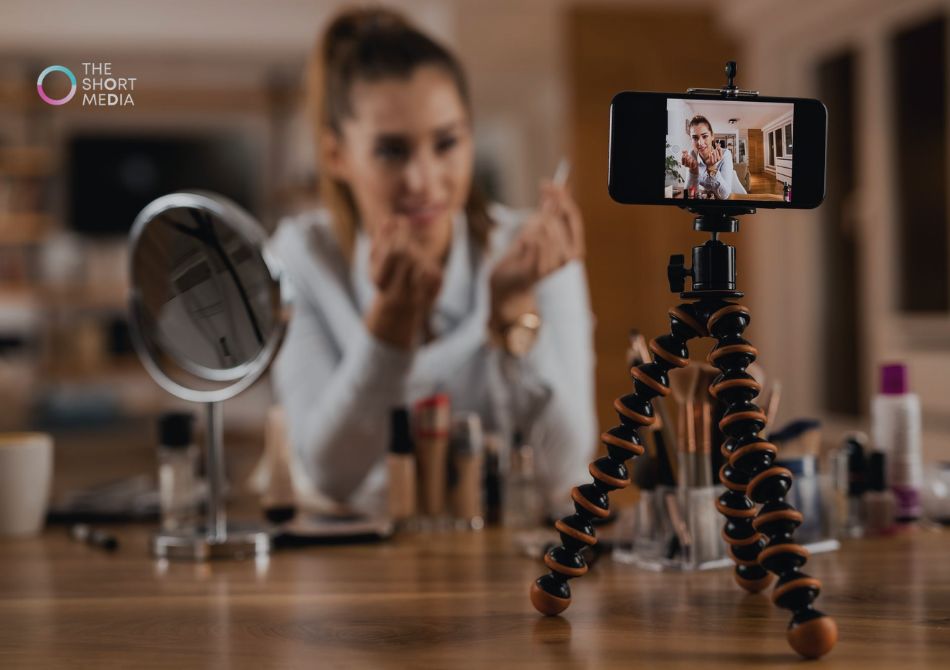
A few months ago, I watched a beauty brand insist on using the “hero” edit their internal team loved most. Clean studio lighting. Perfect product shots. Script polished to death. It looked expensive, which was part of the problem. The rougher version — filmed by a creator in her bathroom mirror, with slightly awkward pacing and a real reaction halfway through — pulled comments, saves, and sales. The polished one just sort of sat there.
That’s usually where the conversation around TikTok starts to get more honest.
A lot of brands still treat TikTok like a shorter TV ad or a more chaotic version of Instagram Reels. Then they’re surprised when the content that feels “off-brand” gets the response, while the safe creative goes nowhere. If you work in tiktok marketing services, you see this pattern constantly. Viral creative rarely comes from trying to look viral. It usually comes from understanding what people actually stop for.
And that part matters whether you’re running organic content, TikTok Ads, or broader TikTok promotion services for a product launch.
Viral isn’t random, but it’s not neat either
People talk about virality like there’s a formula hidden in a spreadsheet somewhere. There isn’t. There are patterns, though.
The strongest TikTok creative tends to do one thing very quickly: it gives the viewer a reason not to swipe. Not a brand message. Not a mission statement. A reason. Maybe it’s a weird visual. Maybe it’s a blunt line that sounds like a real person talking. Maybe it’s a product being used in a way that creates a little tension.
A home product brand I worked with had a mop attachment that looked, frankly, pretty boring in static images. On TikTok, the winning clip opened with dirty sock marks on a kitchen floor and the creator saying, “I thought this was fake too.” That line wasn’t clever. It worked because it matched the skepticism people already had.
That’s something good tiktok marketing services teams pay attention to: the objection inside the scroll.
The first two seconds do more work than the rest
If the opening is weak, the rest almost doesn’t matter. Harsh, but true.
This is where a lot of TikTok Ads fail. The team spends time on the offer, the CTA, the product features — all important — but the first frame looks like an ad. You can feel it. Maybe it opens with a logo animation. Maybe the creator pauses half a beat too long before speaking. Maybe the script starts with “Hey guys, I wanted to share…”
That half-second of hesitation kills momentum.
Better openings usually feel mid-thought, slightly intrusive, or visually active. A fitness brand I saw recently opened with a creator dropping resistance bands on the floor and saying, “This is what I bought instead of renewing my gym membership.” Not perfect. Not elegant. Strong hook.
That same principle carries across TikTok promotion services. Organic creators, paid assets, Spark Ads — if the beginning feels staged, performance tends to flatten fast.
TikTok Ads that don’t feel like ads tend to travel further
Not always. Some direct-response creative is openly salesy and still works. But in general, TikTok Ads perform better when they borrow the rhythm of native content rather than importing old paid social habits.
That doesn’t mean “make it messy” and hope for the best. It means the ad should feel like it belongs in-feed. There’s a difference.
A creator reading a script too perfectly is one of the fastest ways to lose trust. You can hear the approval process in the delivery. Same with brands jumping on a trend two weeks too late, using the original sound everyone has already moved past. People may not consciously say, “This is stale,” but they scroll like they know.
The better creative usually has a little friction in it. A pause. A real reaction. A product demo that doesn’t happen under perfect lighting. I’ve seen a kitchen-shot food demo beat a studio version by a wide margin because the studio one looked like it had something to prove.
If you’re offering tiktok marketing services, this is where clients often need the most coaching. Not on trends, actually. On restraint.
The comments tell you what the creative missed
This is one of the most useful and most ignored parts of TikTok.
Comments aren’t just engagement. They’re creative research. They’ll tell you where the confusion is, where the skepticism is, what people think the product costs, and what they still don’t believe after watching.
A DTC skincare brand I worked on kept getting comments along the lines of “okay but does it pill under sunscreen?” Their original videos never addressed that. Once creators started showing the texture under makeup and SPF, watch time improved and so did conversion. Not because the content became more “educational” in some abstract sense. It answered the exact objection people were typing.
That’s why TikTok promotion services shouldn’t stop at posting or media buying. If nobody is reading comments, you’re leaving insight on the table.
Trends help, but timing matters more than people admit
A trend can give a piece of creative structure, but trends are often overvalued by teams that are underconfident about the product angle.
You don’t need every post to ride a trending sound. Some of the strongest TikTok Ads I’ve seen had no trend at all — just a clear product use case, a believable creator, and an opening line that sounded like a person with a point of view.
Also, trend timing is brutal. A retail brand can spot a format on Monday, get internal approval by Thursday, and publish the following week when the moment has already cooled off. Happens all the time. Then someone says TikTok is unpredictable. Well, sort of. But the process didn’t help.
Good tiktok marketing services teams build for speed because TikTok punishes over-handling.
Product demonstration still wins, especially when it’s specific
This sounds obvious, but a lot of brands still avoid showing the product doing the exact thing people might buy it for.
Beauty brands sometimes hide behind mood content when they should be showing texture, wear, removal, before-and-after in normal lighting. Food brands over-style the shot and lose the appetite appeal. Local service businesses — dentists, med spas, cleaning companies, even roofers — often post generic “meet the team” videos when what people really want is proof, process, and a reason to trust the result.
For Amazon products especially, TikTok promotion services work best when the creative gets very literal. Show how it fits in a drawer. Show whether it leaks. Show whether it survives being dropped. Show the annoying part too, if there is one. That honesty tends to help more than a polished claim.
Why some creators carry the ad and others flatten it
Follower count is a terrible shortcut for creative fit.
Some creators can sell because they know how to make a recommendation sound like an actual recommendation. Others look great on paper and somehow drain all life out of the script. You’ve probably seen it: they hit every talking point, smile on cue, point at on-screen text, and the result feels dead.
The best creator partnerships for TikTok Ads usually come from matching tone and audience expectation, not just reach. A creator who naturally films in her car talking through beauty empties may outperform a bigger lifestyle creator if the product is a £14 concealer and the audience already trusts that kind of casual review format.
That’s one reason tiktok marketing services often involve a lot more testing than clients expect. One brief, five creators, three hooks each, two edits per asset. Bit of a grind, honestly. But that’s where the wins come from.
TikTok promotion services work better when organic and paid talk to each other
This is another place brands get stuck. The organic team is doing one thing. The paid team is doing another. The creator team sits somewhere in between. Nobody shares learnings fast enough.
When TikTok promotion services are working properly, organic posts inform ad hooks, ad comments inform creator briefs, and creator content informs landing page messaging. It should feel a bit messy behind the scenes, but connected.
A food brand launching in US retail, for example, might notice that organic viewers keep commenting on portion size and where to find the product. That should immediately shape the next round of TikTok Ads. Not three weeks later. Right away.
FAQs
1. How long should a TikTok creative be if you want it to perform well?
Shorter often helps, but there’s no magic number. I’ve seen 12-second product demos work brilliantly and 35-second creator explainers hold attention because the pacing was right. If the first few seconds are flat, even 10 seconds feels long.
2. Do viral TikToks need trending audio?
Not really. Trending audio can help with discoverability or give the content a familiar shape, but it won’t rescue a weak concept. Plenty of strong-performing TikTok Ads use voiceover, direct-to-camera delivery, or simple native sound.
3. Is polished content always bad for TikTok?
No, just often overdone. People don’t mind quality. They mind content that feels over-controlled. A well-shot video can work if the delivery still feels human and the product use is believable.
4. What’s the biggest mistake brands make with TikTok creative?
Trying to protect the brand from looking too casual. That usually leads to creative that’s technically fine and emotionally empty. The script gets approved by six people, the creator sounds like they’re reading legal copy, and performance drops.
5. Should small businesses use TikTok promotion services or post organically first?
Usually both, if budget allows. Organic posting gives you cheap feedback on hooks, offers, and customer objections. Then TikTok promotion services can put spend behind the formats that already show signs of life.