
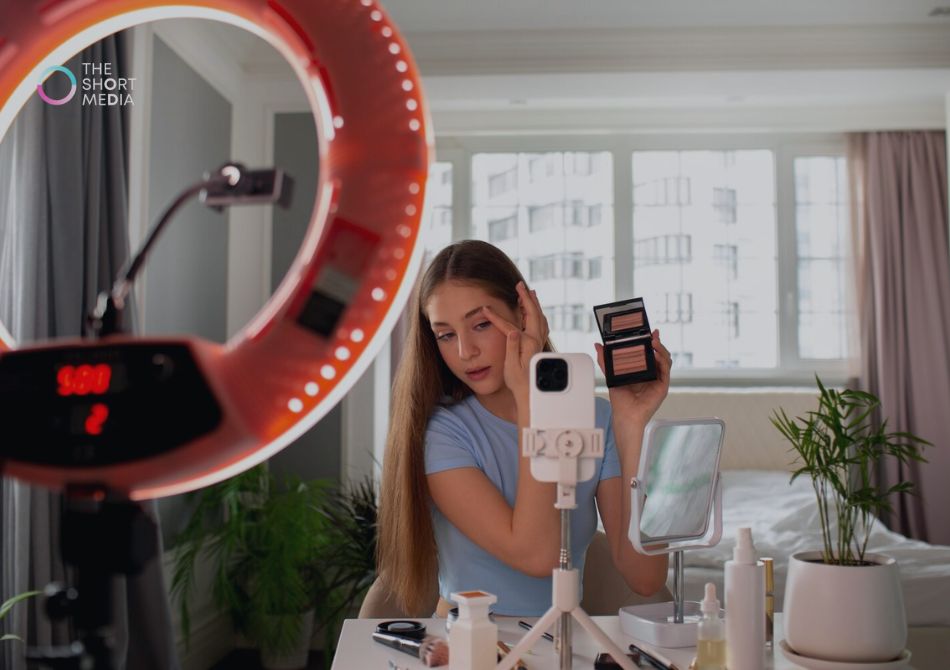
A few months ago, I watched a skincare brand push a polished product video into TikTok. Nice lighting. Clean copy. Founder voiceover. It looked expensive. It also got beaten, pretty badly, by a creator filming in her bathroom with a half-broken shelf behind her.
Why? Because she showed the texture, said the pump was a bit annoying, and mentioned she only liked it for winter because it sat too heavy under SPF in July. That tiny criticism made the whole thing more believable. Comments filled up with the usual stuff people actually care about: *Does it pill under makeup? Is it worth it if you’ve got oily skin? How long does one bottle last?*
That’s the interesting part of TikTok. It hasn’t just given brands another place to advertise. It’s trained people to look closer before they buy. And if you’re running tiktok business ads, that shift matters more than the latest trend sound or editing trick.
TikTok didn’t invent sceptical shoppers, but it did speed them up
People were already comparison shopping, checking reviews, and asking mates before buying anything over £20. TikTok just compressed the whole process into a few minutes of scrolling.
Someone sees a protein powder. Then a coach stitches the ad and says it tastes chalky. Then a creator mixes it into oats and says vanilla’s fine but chocolate’s grim. Then comments point out the serving size is tiny for the price. By the time that person hits the product page, they’re not walking in cold. They’ve already got objections, expectations, and a rough sense of whether the product is for them.
That changes the job of tiktok ads for business. You’re not introducing a product to an empty room. You’re entering a conversation that’s already moving, and usually moving fast.
I’ve seen this with home products too. A kitchen gadget brand can spend a fortune on glossy demos, but if one creator casually shows it’s annoying to clean, that becomes part of the buying story. Same with food brands. If the comments say “looks good but £7 for that is mad,” you’ve got a pricing problem your landing page probably isn’t addressing.
Why polished brand messaging often falls flat
A lot of teams still approach TikTok like it’s Instagram from five years ago. Tight scripts. Heavy branding in the first second. Product claims lined up like a sales deck. It tends to feel off.
Not always. There are categories where polish helps. Premium beauty, some retail launches, certain electronics. But even there, the content usually works better when it feels observed rather than over-managed.
One of the quickest ways to tank tiktok business ads is to hand a creator a script that sounds legally approved and emotionally dead. You can hear it straight away. They pause in weird places. They say the product name too perfectly. They smile at the exact wrong moment. It’s not that audiences hate ads. They hate feeling handled.
That’s why the stronger tiktok ads for business often include a little friction. A realistic use case. A minor drawback. An opinion that doesn’t sound workshop-tested. For a DTC cleaning brand, a creator saying “I don’t use this on every surface, but for the hob it’s brilliant” can outperform a broader claim because it feels like a real person talking, not a brand trying to cover every SKU benefit in 20 seconds.
Audiences are learning how to spot fluff
TikTok comments have become a kind of public due diligence. Not perfect, obviously. Plenty of nonsense in there too. But useful nonsense, sometimes.
I’ve watched comments expose weak points faster than any focus group. A supplement brand kept pushing “30-day transformation” messaging, and the comments immediately filled with people asking about refunds, side effects, and whether the before-and-after clips were even from the same person. Their sales page barely mentioned any of that. The comments did the job the brand should’ve done.
That’s one reason tiktok ads for business can’t rely on vague promises. If your ad says a product is “worth every penny,” people will ask compared to what. If you say it’s “high quality,” they’ll want to see stitching, texture, packaging, wear after washing, or how it holds up after a month in a gym bag.
For Amazon products, this is especially obvious. The lazy version of tiktok ads for business is a rapid-fire montage with on-screen hooks and a discount code. The better version usually looks more like someone stress-testing the thing in their actual home. A storage organiser filmed in a messy kitchen often sells better than a spotless studio setup because viewers can picture their own clutter in it.
The buyer is doing more work before the click
That sounds bad for marketers, but honestly, it can save you money.
When people arrive better informed, they’re less likely to bounce because the product wasn’t what they imagined. They’re less shocked by the price. They’ve already seen how big it is, how it sounds, whether it leaks, whether it’s awkward to assemble, whether it’s just another white-label gadget with a new logo slapped on.
Good tiktok business ads help that process along instead of resisting it. They answer the obvious questions early. They show scale. They show texture. They show what happens when the product isn’t used under perfect conditions.
A fitness brand I worked with had much better results once we stopped pretending every resistance band workout happened in a pristine home gym. One creator filmed in her living room, dog wandering through, and mentioned the heavier band rolled a bit on leggings. Sales improved. Refund complaints dropped. Funny how that works.
What this means for creative strategy
You don’t need to make your ads uglier on purpose. That’s become its own bad habit. Forced lo-fi is still forced.
But tiktok ads for business do need a different kind of honesty. Less “here are our key messages,” more “here’s what someone would actually want to know before buying this.”
That usually means:
Show the product in the wrong setting, not just the ideal one
A mop in a spotless kitchen tells me very little. A mop used after a toddler has launched yoghurt onto the floor tells me more. Same for beauty. Show the concealer in daylight, not only under ring lights.
Let creators sound like themselves
If every line has been approved to death, viewers can tell. Give creators the claim boundaries and product facts, sure, but let them phrase things in a way they’d naturally say. The over-rehearsed read is one of the easiest ways to make tiktok business ads feel expensive and ineffective at the same time.
Use comments as research, not just moderation
The comments under your own ads, under competitor posts, under creator videos — that’s where people tell you what’s missing. I’ve seen objections there that never showed up in a formal survey. Things like “looks nice but will this fit under a sink in a small flat?” or “I need to know if this works on textured hair, not just straight hair.”
That’s gold, really.
Where tiktok business ads are quietly changing buyer behaviour
It’s not only product discovery. It’s product evaluation.
People now expect to see receipts, not just recommendations. For local services, that might mean a cleaner showing before-and-afters in a real semi-detached house, not stock-like visuals. For food brands, it might mean someone saying the frozen dumplings are decent for a quick lunch but not restaurant-level. That kind of specificity helps more than broad praise.
I’ve also noticed that tiktok ads for business are pushing brands to get sharper about who a product is *not* for. That sounds counterintuitive until you see it work. A mattress topper brand performed better when creators said it was great if your rental’s mattress is awful, but probably unnecessary if you already sleep on something decent. Fewer wasted clicks. Better conversion quality.
And for UK advertisers especially, there’s often a gap between American-style ad claims and how UK audiences respond. The louder, more exaggerated angle can feel a bit much. A drier, more matter-of-fact delivery often lands better here, especially in home, retail, and practical everyday categories.
So, are smarter buyers bad for advertisers?
Only if the product page, offer, and creative are built on fluff.
If your product holds up, smarter buyers are usually better buyers. They ask tougher questions, yes. They also come in with more intent. They’ve seen enough demos to know whether it fits their life. They’ve watched enough creators misuse similar products to understand what actually matters.
That’s why tiktok ads for business work best when they respect the viewer a bit. Don’t try to skip their scepticism. Feed it. Give them the details they’d go hunting for anyway.
Because that’s what TikTok has really changed. Not attention spans, not trends, not just ad formats. It’s made a lot of people better at spotting the gap between a nice-looking pitch and a product they’d actually want in their house.
And honestly, that’s probably healthier for everyone.
FAQ's
1. Do TikTok users really research products that much before buying?
More than some brands expect. Not everyone, obviously, but plenty of people will watch three or four videos, scan comments, and search the product name before clicking through. On higher-priced items, that behaviour gets even more obvious.
2. Are polished ads always a bad fit on TikTok?
No. They just need to feel appropriate to the category. A luxury beauty launch can carry more polish than a £12 kitchen organiser, but even premium ads usually need some grounded proof in the mix.
3. What kind of products do well with tiktok ads for business?
Products that are easy to demonstrate tend to get traction faster: skincare, snacks, cleaning tools, fitness accessories, home storage, pet products. Local services can do well too if the content shows the actual result, not just a branded intro and phone number.
4. Should brands mention negatives in their ads?
Sometimes they should, yes. Not every flaw needs airtime, but small honest details can make the rest of the message more credible. If a product works best in a specific use case, say that.
5. How many creatives should a brand test for tiktok business ads?
Usually more than they think. I’d rather test several angles with modest spend than bet everything on one hero video. Hooks fatigue quickly, and the “winning” concept in internal reviews often isn’t the one that performs.