
A few years ago, a lot of UK businesses treated TikTok like a place for dance trends, Gen Z jokes, and the occasional viral cleaning hack. Paid social teams would mention it in meetings, someone would nod, and then the budget would quietly go back to Meta and Google.
That’s not really what’s happening now.
I’ve seen ecommerce founders, local service businesses, and retail brands in the UK come to TikTok a bit reluctantly, usually after CPMs climbed elsewhere or creative started going stale. Then they run a few campaigns, often with scrappier content than they’d normally approve, and suddenly they’re getting cheaper clicks, stronger view-through activity, and comments that tell them more about buyer hesitation than a polished survey ever did.
That doesn’t mean TikTok Ads are easy. They’re not. Plenty of brands still get it wrong. They upload glossy video cutdowns from TV or Meta, add captions, and wonder why performance stalls. Or they join a trend about two weeks too late, which is its own special kind of awkward. But for UK businesses trying to acquire customers without relying on the same tired paid social playbook, this platform has become hard to ignore.
Why TikTok Ads feel different from other paid channels
The first thing many teams notice is that the ad doesn’t need to look like an ad in the old sense. In fact, when it does, performance often drops.
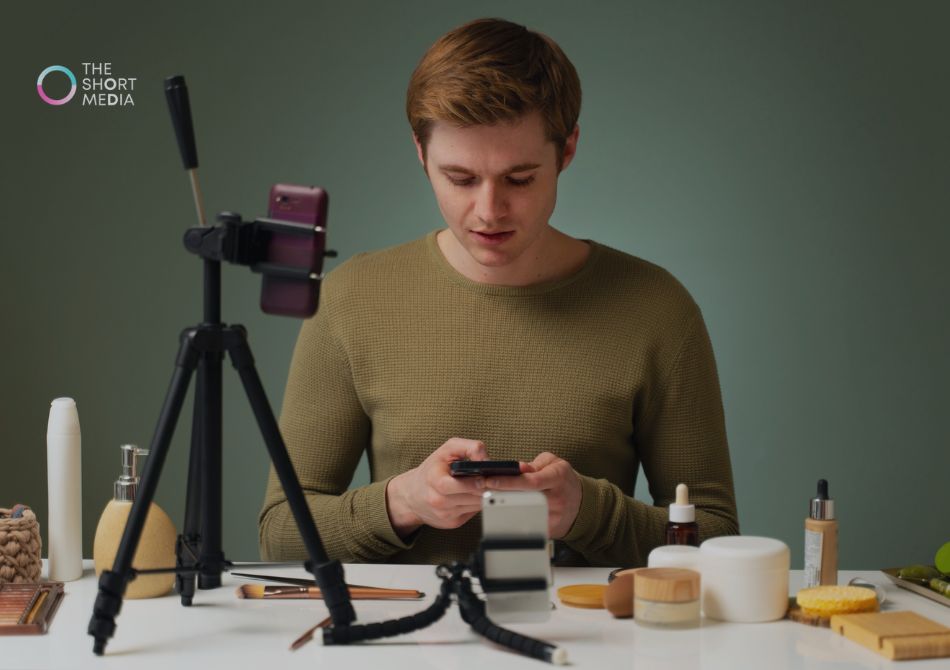
A kitchenware brand selling through Shopify and Amazon might spend thousands on a polished studio shoot, only to find that a simple product demo filmed on a phone in someone’s actual kitchen gets more saves, more comments, and lower CPA. Not because people suddenly hate production quality. Usually it’s because the second video feels like something they’d actually stop for in-feed.
That’s a big reason TikTok Ads have shifted customer acquisition. The platform rewards creative that feels native to how people already watch. Not fake-authentic, either. Users can spot that pretty quickly. You can tell when a creator has been given a script and told to “sound natural,” then reads every line like they’re presenting at school assembly.
For businesses using tiktok ads for business, the creative bar is strange at first. Lower, in some ways. Higher, in others. You don’t need a huge production budget, but you do need better instincts.
UK businesses are finding new customer paths, not just cheaper clicks
There’s a tendency to talk about paid social as if every platform does the same job with slightly different targeting. That’s never been especially true, and it’s definitely not true here.
For many UK brands, tiktok ads for business aren’t just replacing Facebook spend. They’re creating a different route into the sale.
Take beauty. A skincare brand can run a standard conversion campaign, sure, but often the real value starts earlier. A creator shows texture, talks through the smell, mentions how it sits under makeup, and suddenly the comments fill up with the exact objections the product page forgot to answer. “Is this good for rosacea?” “Does it pill with SPF?” “Is it worth it if I’ve got oily skin?” That’s acquisition research hiding inside media spend.
Same with food brands. A snack company launching into Tesco or Sainsbury’s might use tiktok ads for business to build familiarity before a retail push, not just to drive direct purchases. Fitness products, home organisers, pet brands, cleaning products, all of these tend to do well when the ad shows the thing actually being used in a recognisable setting. Not a set. A house. A car. A messy hallway.
And for local services in the UK, there’s something interesting happening too. Dentists, aesthetic clinics, estate agents, even trades businesses are testing short-form video to warm up demand before retargeting elsewhere. It’s not always direct-response magic, but it can lower the friction. A local medspa showing real treatment prep and aftercare often does more than a static before-and-after ever did.
The creative that works is usually less “campaign” and more “proof”
This is where teams trip up.Not exactly. Forced scrappiness is easy to spot. What tends to work is content that feels natural and watchable, even if the lighting isn’t perfect or the framing is a bit uneven.
A lot of brands approach TikTok Ads with campaign thinking first: message hierarchy, brand assets, sign-off rounds, legal tweaks, six stakeholders trying to improve the hook. By the time the ad goes live, it’s technically fine and emotionally dead.
The better-performing stuff is often more specific. A problem. A demo. A reaction. A comparison. A line that sounds like something a customer would actually say.
For tiktok ads for business, some of the strongest assets I’ve seen were almost annoyingly simple:
- A home product filmed on a kitchen counter with bad natural light, but a very clear before-and-after
- A supplement founder answering comments about taste and side effects
- A creator showing three ways to style one fashion item instead of doing a generic “must-have” pitch
- A cleaning product ad where the first two seconds showed the mess, not the packaging
There’s a lesson in that. People don’t need a brand to perform credibility. They need enough evidence to keep watching.
And honestly, comments matter more than some teams expect. I’ve seen ad comment sections reveal pricing resistance, confusion around sizing, and delivery concerns that never came up in internal planning. If you’re running tiktok ads for business and ignoring comments, you’re missing half the brief.
TikTok isn’t just for ecommerce anymore
It still suits ecommerce naturally, especially impulse-friendly categories. But UK businesses outside DTC are getting more practical with it.
Retail brands use it to support launches. App companies use it to create familiarity before conversion campaigns tighten up. Amazon sellers use short-form creative to build demand that later shows up in branded search and marketplace sales. Local businesses use it to make their service feel less opaque.
That’s one reason TikTok Ads have become more useful than many expected. They can introduce, demonstrate, and pre-handle objections in a single piece of content. Not perfectly, but enough to make the next click easier.
For tiktok ads for business, this matters because customer acquisition costs aren’t just about media buying efficiency. They’re also about how much explanation your ad can do before someone lands on site. If the video already answered “how big is it,” “who is this for,” or “does this actually work,” the landing page has less heavy lifting to do.
What UK marketers need to get right
There’s still a habit, especially in more traditional businesses, of treating TikTok as a channel to repurpose into. That usually shows.
If you want tiktok ads for business to work, creative testing has to be built into the plan, not treated as cleanup after launch. You need multiple hooks, different creators or voices, and some willingness to publish assets that feel a bit less polished than the board would normally like.
A few practical things matter more than people think:
Native pacing beats polished editing
Fast cuts help, but pacing is more about getting to the point early. If the reveal takes 12 seconds, you’ve probably lost people.
Creator fit matters more than follower count
A micro-creator who genuinely understands the product category will often outperform someone bigger who feels rented. You can tell. So can viewers.
Offers still matter
There’s a romantic idea that content alone carries everything. Not really. For tiktok ads for business, a decent offer, bundle, or first-order incentive still helps a lot, especially when the product isn’t instantly understood.
Your landing page can quietly ruin good ad performance
This happens all the time. The ad is clear and human. The click goes through to a stiff, overdesigned page full of brand language and no practical detail. That drop-off isn’t a TikTok problem.
The businesses winning on TikTok usually look a bit less corporate
That doesn’t mean messy for the sake of it. It means less guarded.
The UK brands doing well with TikTok Ads tend to show the product in use, let creators speak like actual people, and test more than their internal processes are comfortable with. They’re not trying to make every ad look premium. They’re trying to make it believable.
That’s a different mindset from older paid social playbooks, and it’s why the channel is changing acquisition. Not because it’s some magic fix. Mostly because it forces brands to communicate more clearly, more quickly, and with less polish hiding the weak spots.
For a lot of businesses, that’s uncomfortable. It’s also where the gains are.
FAQs
Q1: Are TikTok ads worth it for small UK businesses?
They can be, especially if you’ve got a product or service that’s easy to show, explain, or demonstrate quickly. A local clinic, bakery, fitness coach, or ecommerce brand can all make it work. The catch is creative volume. If you only have one overly polished ad, it’s a tougher channel.
Q2: How much should a business spend to test TikTok?
You don’t need a massive budget to learn something useful, but you do need enough to test more than one idea. In practice, that usually means budgeting for several creatives, not just media spend. I’d rather see a brand test five decent videos with a modest budget than put all the money behind one “hero” asset.
Q3: Do TikTok Ads work for older audiences in the UK?
They can. The audience is broader than a lot of people still assume. It depends more on the product, the message, and whether the creative feels relevant than on some outdated idea that everyone on the app is 19.
Q4: What kind of content performs best?
Usually content that gets to the point fast and shows something real. Product demos, side-by-side comparisons, problem-solution clips, founder explainers, and creator testimonials tend to give teams more to work with than generic brand videos.
Q5: Is tiktok ads for business only useful for ecommerce brands?
Not at all. Ecommerce has an obvious fit, but local services, apps, hospitality, clinics, and even property-related businesses are testing tiktok ads for business now. Some use it for direct leads, others for awareness that improves retargeting and branded search later.