

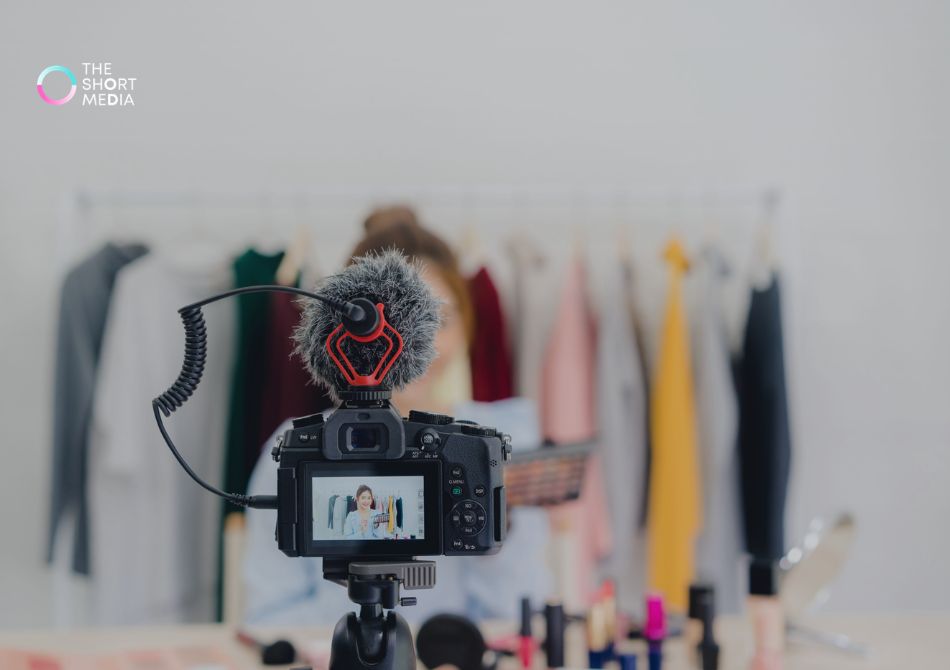
A few years ago, a lot of US brands treated TikTok like a side project. Someone on the social team would post a trend recap in Slack, a founder would ask whether they needed “one of those dancing videos,” and then nothing really happened. Or they posted three times, got mediocre views, and decided the platform “wasn’t for their audience.”
I’ve watched that play out more than once. Usually right before a competitor starts showing up everywhere.
Not everywhere in the abstract. Everywhere in the very practical sense: in search results, in creator videos, in comments where people ask where to buy, in retail conversations, in Amazon traffic spikes that don’t quite match paid search data. That’s the thing some brands still miss. TikTok in the US isn’t just a social channel. It’s sitting in the middle of discovery, consideration, creative testing, and, frankly, product feedback.
If you’re selling beauty, snacks, supplements, cleaning products, fitness gear, home gadgets, even local services in major US markets, it’s hard to argue that TikTok is optional now.
Why tiktok marketing services matter more than a “post and see” approach
The brands that struggle most on TikTok usually aren’t underinvesting in content volume alone. They’re underestimating how different the platform is.
A polished campaign video cut down from Meta creative often lands with a thud. Same with TV-style product spots. I’ve seen a kitchen demo shot on an iPhone outperform studio footage that cost ten times as much, mostly because it felt like a real person actually used the thing. A stain remover wiped across a white sweatshirt in bad natural light can beat a glossy lifestyle ad. Annoying, maybe. But useful.
That’s where solid tiktok marketing services start to earn their keep. Not by posting random trends, but by building a system around content angles, creator sourcing, paid amplification, and comment mining. The comment section alone can save a landing page. You’ll see objections there that no one on the brand side wrote into the copy: “Does this work on textured hair?” “Will this fit apartment-sized washers?” “Why is the serving size so small?” That stuff matters.
A good team doesn’t just chase virality. They look for repeatable signals.
What a strong tiktok marketing agency actually does
There are a lot of agencies saying they do TikTok because they added it to a deck. That’s not the same as being a real tiktok marketing agency.
A strong tiktok marketing agency usually has a few things figured out:
They know creator content and brand content are not the same job
This sounds obvious, but it gets muddled fast. A creator who’s great at talking to camera may be terrible at following a stiff script. You can almost hear the friction when they’re reading lines they’d never say. I’ve seen brands insist on legal-approved wording so rigid that every video came out sounding like a customer service email.
The better tiktok marketing agency teams know how to protect claims and still give creators room to sound like themselves. That’s often the difference between a video that gets watched and one that gets swiped past in a second and a half.
They use organic to inform paid, not as a separate universe
A lot of US brands split these functions too hard. Organic sits with social. Paid sits with growth. Creators sit somewhere in influencer. Then everyone wonders why the learnings don’t connect.
A smart tiktok marketing agency will test hooks organically, spot what holds attention, then push the strongest concepts into Spark Ads or paid UGC workflows. Not every organic hit turns into a winning ad, but the overlap is real. Especially for DTC brands, Amazon-focused products, and retail launches where you need fast signal.
They’re not two weeks late to every trend
This one sounds petty, but you can feel it when a brand joins a trend after it’s already dead. It looks like approval layers got involved. Because they did.
A capable tiktok marketing agency doesn’t build the whole strategy around trends, but they do know how to move fast when a format fits the product. Timing matters. So does taste.
US brands are using TikTok for more than awareness
“Awareness” is often where brands put TikTok when they don’t know how to measure it properly. That bucket gets too fuzzy.
In practice, US brands are using TikTok for very specific jobs.
Beauty brands use it to demo texture, shade payoff, wear tests, before-and-after routines. A founder-led skincare video filmed in a bathroom can answer more purchase objections than a polished PDP ever will.
Food and beverage brands use it to create cravings. Not in a vague way. In a “that hot honey drizzle over pizza just moved inventory in Whole Foods Northeast” kind of way.
Fitness brands use it to show form, convenience, portability, and habit fit. A resistance band set tossed into a carry-on says more than a banner ad ever could.
Home product brands do especially well when they stop overproducing. I’ve seen a mop demo filmed in someone’s actual kitchen beat a spotless studio setup because the mess looked believable. Small thing, but people notice.
And local service businesses in the US — med spas, dentists, HVAC companies, realtors, even family law firms in some markets — are finding that TikTok can make them feel familiar before a lead ever fills out a form. Not every account needs millions of views. Sometimes a few local videos with the right tone do the job.
Choosing between in-house support and a tiktok marketing agency
Some brands should build internally. Some really shouldn’t. Usually it comes down to speed, creative appetite, and whether the team can produce enough varied content without turning every review cycle into a committee meeting.
An in-house team can work well if you already have:
– a social lead who understands platform-native creative,
– access to creators or employees who can be on camera,
– fast approval workflows,
– paid media and content teams that actually talk to each other.
If you don’t have that, hiring a tiktok marketing agency can save a lot of wasted spend and a lot of bad creative. The right tiktok marketing agency will give you structure without sanding off the personality. That’s important. TikTok content that feels too “approved” usually underperforms.
And if you’re a mid-sized US brand trying to support retail sell-through, DTC growth, and Amazon at the same time, outside help often makes sense because the content demand gets heavy fast.
Where tiktok marketing services tend to pay off fastest
Not every company needs the same setup, but tiktok marketing services usually pay off fastest when there’s already some product-market fit and the issue is attention, creative testing, or conversion friction.
A few common cases:
Product launches that need social proof quickly
If you’re launching a new electrolyte mix, kitchen gadget, or beauty SKU in the US, TikTok can create the early layer of “I keep seeing this” that helps the rest of the funnel work. Especially when creators are showing it in real use, not just holding the packaging toward the camera.
Brands with stale paid social creative
Sometimes performance drops aren’t about audience saturation. The ads are just tired. tiktok marketing services can open up new hooks, fresher creator formats, and more believable demonstrations that then feed other channels too.
Amazon products that need better top-of-funnel demand
This is a big one. A lot of Amazon-first brands still rely too heavily on search capture. TikTok helps when you need people to want the product before they type it in. A decent tiktok marketing agency will understand how to connect that demand generation with marketplace behavior, not treat them as separate worlds.
The brands that win here usually look a little less polished
That’s probably the part executives hate hearing.
The brands doing well on TikTok in the US usually aren’t the ones trying hardest to look expensive. They’re the ones willing to look specific. A little rough around the edges. A little faster. More comfortable with iteration.
Not sloppy. Just not frozen.
That’s why a good tiktok marketing agency can be valuable. They know when a script is too clean, when a creator intro sounds fake, when a trend has already expired, when the comments are telling you the offer is confusing, and when a low-fi demo has more selling power than a campaign asset everyone spent three weeks approving.
TikTok isn’t some experimental add-on anymore for most consumer brands in the US. If your customers are there — and for a lot of categories, they are — then your growth strategy probably needs to be there too. Not because it’s trendy. Because it’s where people are forming opinions, sharing proof, and picking products apart in public.
Messy, sometimes. But useful.
FAQ
1. How often should a brand post on TikTok?
More often than most teams are comfortable with at first. Three to five times a week is a realistic starting point for many brands, especially if you’re still learning what angles land. Posting once every ten days usually doesn’t give you enough signal to improve.
2.Do you need influencers with huge followings?
Not really. Some of the best-performing creator content comes from smaller creators who feel believable on camera and know how to demo a product naturally. I’d take a creator with strong pacing and decent comments over a big audience with flat delivery.
3. Is TikTok only useful for younger audiences?
That assumption is usually outdated. Plenty of US brands in home, wellness, food, and even financial categories are reaching older buyers too. The content just has to match how those buyers actually shop and what they care about.
4. What should a brand look for in a tiktok marketing agency?
Look at the work, obviously, but also ask how they brief creators, how fast they turn around concepts, how they connect organic and paid, and what they do with comment insights. If they only talk about views, keep looking.
5. Can TikTok help with retail launches?
It can, especially when you need people to recognize the product once they see it on shelf. Creator videos, store callouts, “found this at Target” style content, and demos tied to a specific retailer can all help. The content doesn’t need to be fancy. It needs to feel current.
6. How long does it take to see results from tiktok marketing services?
Sometimes you’ll get a useful signal in a couple of weeks. Reliable performance takes longer because you’re testing creators, hooks, offers, and editing styles. If someone promises a perfect formula in week one, that’s… optimistic.
7. Should TikTok content be highly produced?
Usually less produced than brand teams expect. Clean audio and clear visuals matter, sure, but overlit studio content can feel stiff fast. A real apartment kitchen, a car mirror check-in, a slightly imperfect unboxing — those often work because they don’t feel overhandled.
8. Can local businesses in the US benefit from TikTok too?
Absolutely, especially in cities and suburbs where people already use TikTok to check places out before visiting. A med spa showing actual treatment prep, a bakery filming fresh trays coming out in the morning, a realtor walking through odd little details in a listing — that kind of content sticks.