

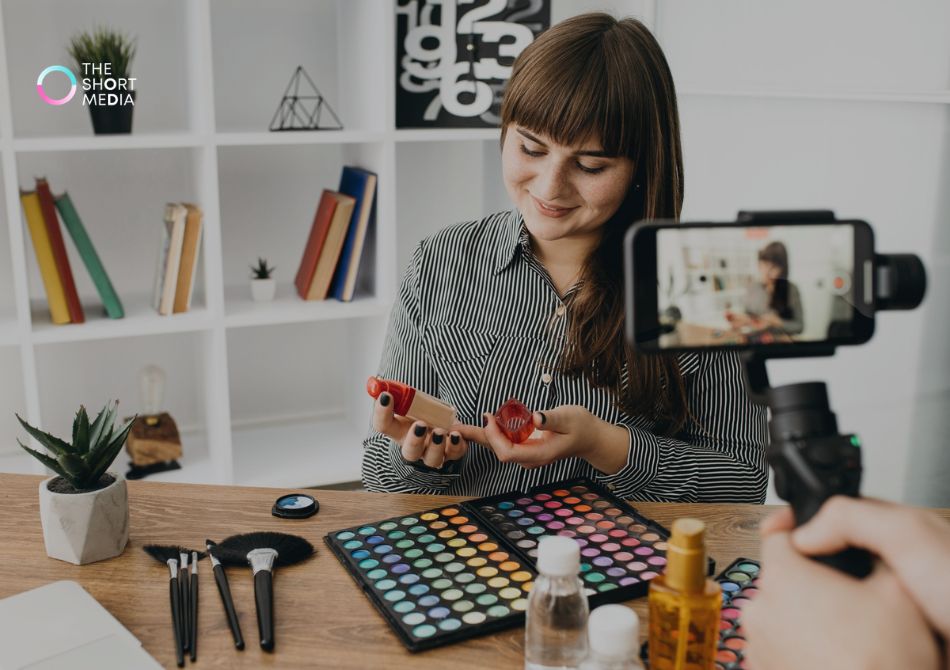
A few months ago, I watched a skincare brand spend weeks polishing launch creative for Meta, only to have a scrappy TikTok clip filmed next to a bathroom sink do more for product discovery in 48 hours than the whole paid social rollout. Not because it was prettier. It wasn’t. The lighting was a little off, the creator stumbled on one line, and the comments were full of people asking very basic questions the brand’s landing page should’ve answered. But that’s kind of the point.
A lot of brands in the USA still treat TikTok like an extra channel. Nice to have. Something the social team should “test.” Meanwhile, customers are using it like a search engine, a review site, a trend tracker, and a shopping feed all at once. If you work in beauty, food, fitness, home products, or even local services, you’ve probably seen it already. People aren’t just being entertained there. They’re deciding what to try.
That shift matters, especially if you’re still planning campaigns as if discovery starts on Google or Instagram and ends on your site.
Why marketing on tiktok now looks a lot like search behavior
The old version of social discovery was pretty simple: someone happened to see your product in-feed, maybe from a creator they liked, and clicked through. What’s happening now is messier and more useful.
People search TikTok for things like “best foundation for dry skin,” “air fryer snacks Costco,” “walking pad apartment noise,” or “Dallas med spa before and after.” They want proof, demos, reactions, comparisons, and comment sections that feel less filtered than a brand page. That’s a big reason marketing on tiktok has become more central to launch strategy, not just content strategy.
For a home cleaning product, a polished brand video might explain ingredients and benefits. Fine. But a 22-second clip of someone cleaning grease off a stovetop in an actual kitchen often does better because it answers the real question people had in the first place: does this work on the gross mess I have at home?
That’s discovery now. Specific, visual, fast, and usually a little unpolished.
A tiktok marketing agency sees the gap faster than most internal teams
This is where a good tiktok marketing agency can be genuinely useful. Not because brands can’t make content themselves, but because internal teams often bring the wrong instincts into TikTok.
I’ve seen brand teams over-script creator briefs until every video sounds like a compliance-approved podcast ad. You can hear the life drain out of it. The creator hits every talking point, says the product name three times, smiles on cue, and the result feels dead on arrival. On TikTok, that kind of control usually backfires.
A solid tiktok marketing agency tends to spot the difference between content that explains and content that gets watched. That includes:
– identifying search-friendly video angles
– sourcing creators who don’t read like they’re auditioning for a commercial
– pulling comment insights into creative revisions
– knowing when to turn an organic post into paid media, and when not to bother
That last part matters more than people think. Not every decent organic post should be boosted. Sometimes a video gets engagement because the comments are arguing with the premise, or because the creator’s audience likes them personally but has no buying intent. A decent team knows the difference.
Discovery is happening before brands are ready for it
A weird thing about marketing on tiktok is that your brand can start getting discovered before your messaging is ready. That sounds obvious, but a lot of teams aren’t built for it.
Say you’re launching a protein snack at Target. Your retail team is focused on shelves, your paid team is thinking conversion, and your brand team is still debating campaign language. Then a creator posts a taste test from their car in the Target parking lot. Suddenly, the comments are telling you exactly what shoppers care about: sugar content, texture, whether it tastes chalky, whether kids will eat it, whether it’s cheaper than Barebells or Quest.
That comment thread is market research. Cheap market research, honestly.
The same thing happens with beauty. A product gets traction, and comments start asking if it pills under sunscreen, whether it works on olive undertones, or if it breaks acne-prone skin out. Those aren’t side conversations. They’re objections your PDP probably buried halfway down the page.
This is one reason marketing on tiktok works best when social, paid, and ecommerce teams are actually talking to each other. Otherwise the platform surfaces demand, but the rest of the business is too slow to respond.
The brands doing well aren’t always the biggest spenders
You’d think the winners here would be the brands with the biggest production budgets. Usually not.
Some of the strongest examples I’ve seen come from DTC brands and challenger products on Amazon. A kitchen gadget brand films quick demos from a real countertop instead of a studio set. A supplement company lets creators talk about the awkward part people actually care about, like taste or bloating, instead of hiding behind wellness language. A local HVAC company posts short clips explaining why one room in the house is always hotter than the others, and suddenly they’re getting comments from homeowners in Phoenix and Houston asking for quotes.
That’s marketing on tiktok at its most practical. Not abstract “awareness.” More like visible demand forming in public.
A tiktok marketing agency can help structure that into something repeatable, especially when brands are juggling creator partnerships, Spark Ads, whitelisting, retail support, and weekly reporting. But the content still has to feel like it belongs on the platform. If it looks like a repurposed brand anthem, people scroll.
What brands still get wrong
A few patterns keep showing up.
First, brands join trends too late. By the time legal approves the idea and the team gets it filmed, the sound has already peaked. You can almost feel the lag. It happens all the time with retail brands.
Second, they confuse volume with relevance. Posting five times a day doesn’t help if none of the videos answer a real buying question.
Third, they ignore the middle of the funnel. They either make broad lifestyle content or hard-sell conversion ads, with very little in between. But marketing on tiktok often depends on that middle layer: comparison clips, creator reviews, “here’s how I use it,” “here’s what I didn’t like at first,” “here’s why this one beat the other one.”
And then there’s the comment section. Underused by a lot of brands. Comments tell you what’s confusing, what’s interesting, what sounds too expensive, what people think your product is for, and where your message missed. I’ve seen comments fix positioning faster than three rounds of internal strategy decks.
What a tiktok marketing agency should actually help with
If you’re considering a tiktok marketing agency, I’d look for less talk about virality and more talk about systems.
Can they build a creator pipeline that doesn’t fall apart after the first month? Do they understand how marketing on tiktok supports retail launches, Amazon rank, and branded search lift? Can they separate creator content that feels native from content that just looks cheap? There’s a difference, and not every agency gets it.
They should also be comfortable working with imperfect signals. TikTok rarely gives you the clean, linear customer journey some teams want. Someone sees a demo, forgets the name, searches it later, reads Amazon reviews, sees another creator a week after that, then buys in-store. Messy, but real.
A good tiktok marketing agency plans for that kind of behavior instead of pretending every result comes from a last-click ad report.
The shift is bigger than social media
What’s changing here isn’t just where brands post. It’s where people form opinions.
For years, discovery was split up. Search for intent. Social for attention. Retail for purchase. Reviews for validation. TikTok has a habit of collapsing those steps into the same session. Someone watches a demo, checks comments, sees a stitched response, gets a coupon in an ad later, then buys at Ulta, Walmart, Amazon, or direct.
That’s why marketing on tiktok now affects more than one channel. It can shape product naming, FAQ copy, creator strategy, retail messaging, even packaging callouts. If everyone keeps treating it like “content,” they’ll miss the more useful part.
And honestly, some brands already are.
FAQ
1. Is TikTok really replacing Google for product discovery?
Not fully. But for plenty of categories, especially beauty, food, home gadgets, and fitness products, people check TikTok before they trust the polished brand version. They want to see it used by someone normal, in normal lighting, with comments attached.
2. Do small brands have a real shot here?
They do, especially if they can show the product clearly and fast. A smaller brand with decent creator content can outperform a bigger company that insists on overproduced videos nobody would naturally watch.
3. How often should brands post?
There isn’t a magic number. Most brands do better when they focus on consistency and useful angles instead of trying to flood the feed. Three strong posts a week can beat daily filler pretty easily.
4. Should every brand hire a tiktok marketing agency?
Not automatically. If your internal team understands creators, paid amplification, and how marketing on tiktok ties back to ecommerce or retail goals, you may be fine. But if the team keeps making content that feels like cut-down TV ads, outside help can save a lot of wasted spend.
5. What kind of TikTok content usually drives discovery?
Product demos, comparisons, problem-solution clips, creator reviews, before-and-after content when it’s appropriate, and short videos that answer specific search intent. A founder talking straight to camera can work too, if they don’t sound rehearsed.
6. Does polished production hurt performance?
Sometimes, yes. Not because quality is bad, but because overly polished content can signal “ad” before the message lands. I’ve seen a handheld kitchen demo beat a studio shoot by a mile for a food storage product. It just felt more believable.
7. Can TikTok help local businesses in the USA?
Absolutely. Dentists, med spas, gyms, realtors, restaurants, home service companies. Local discovery on TikTok is more active than a lot of owners think, especially when videos answer practical questions people already have.
8. What’s the biggest mistake brands make with marketing on tiktok?
Trying to control it too tightly. The platform usually responds better when the content sounds like a person with an opinion, not a brand trying to sanitize every sentence. A little roughness is often fine. Sometimes it helps.