

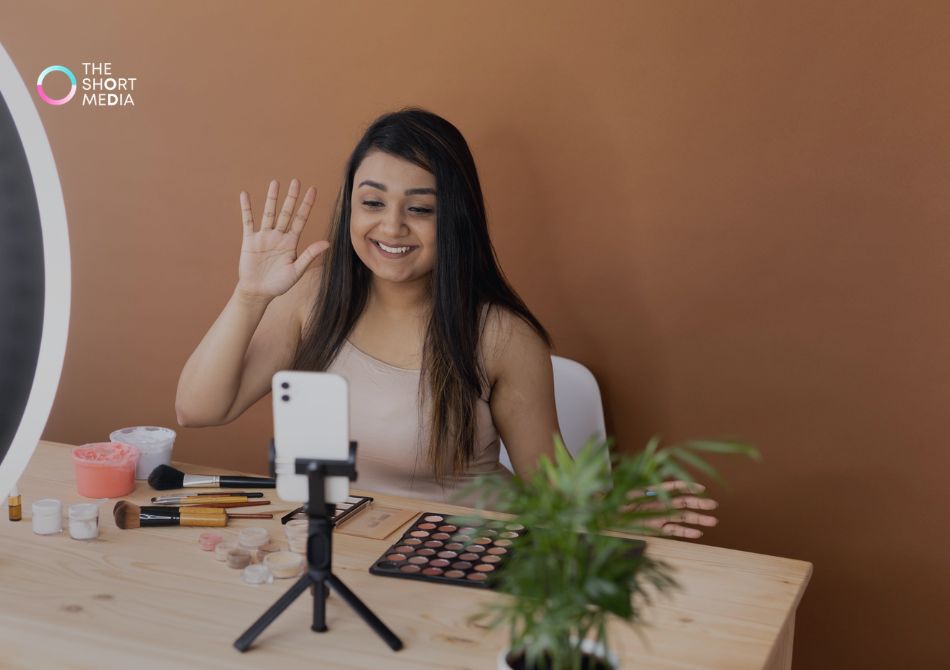
A skincare founder once told me she learned more from three days of TikTok comments than from six weeks of customer interviews. I believed her. The ad itself wasn’t even that polished — just a creator in a small apartment bathroom showing how the product sat under makeup. But the comments were doing real work: people asking if it pilled, whether it worked for oily skin in Florida heat, if it was fragrance-free, if it would break them out before a wedding. Stuff the landing page barely touched.
That’s a big part of why TikTok has become such a useful testing ground for US brands. Not just for reach. Not just for “awareness.” For actual market feedback. Fast feedback. Sometimes messy, sometimes annoyingly blunt, but still useful.
And if you’ve spent time around paid social teams lately, you’ve probably seen the shift. Teams that used to treat TikTok as a side experiment are now using it to test hooks, offers, product angles, creator styles, even packaging language before pushing budgets harder elsewhere. Good tiktok advertising services understand this already. The strongest ones aren’t just buying media; they’re setting up a system to learn quickly.
Why TikTok works so well as a testing environment
The obvious answer is volume. You can get a lot of impressions, a lot of signals, and a lot of creative feedback without waiting forever. But that’s not the whole story.
TikTok gives brands a weirdly honest mix of performance data and audience reaction. You’re not just seeing click-through rate or thumbstop rate. You’re seeing comments that say, basically, “I still don’t get what this does,” or “I’d buy this if it came in unscented,” or “why is nobody showing the back of the dress?” That matters.
For US brands, especially in crowded categories like beauty, snacks, supplements, fitness gear, and home products, this is gold. A product demo filmed in a real kitchen often tells you more than a polished studio ad. I’ve seen a frozen food brand test a creator video where someone just opened the freezer, made lunch, and talked through protein count in a slightly chaotic way. It beat the slick version. Not by a little, either.
A lot of tiktok ads services are now built around that reality. The goal isn’t to force one “winning ad” into every audience. It’s to run enough smart variations that patterns start showing up.
What US brands are actually testing on TikTok
The list is longer than people think.
They’re testing first-three-second hooks, sure. But they’re also testing whether “before and after” framing works better than “watch me use this.” They’re testing if a Texas-based creator gets stronger response for a pantry product than a New York lifestyle creator. They’re testing if “under $30 on Amazon” outperforms “premium quality.” They’re testing if the audience cares more about speed, convenience, ingredients, or aesthetics.
For local service businesses in the USA, TikTok can even work as a message lab. A med spa, for example, might learn that viewers respond better to “here’s what recovery actually looks like on day three” than to generic treatment benefits. A roofing company might find that storm-damage inspection content gets stronger watch time than sales-heavy clips. Not glamorous, but useful.
This is where better tiktok advertising services tend to separate themselves. They don’t just ask, “What creative do we have?” They ask, “What are we trying to learn this week?”
The creative testing part is less glamorous than people think
Most brands still make TikTok harder than it needs to be.
They over-script. They chase trends too late. They insist on getting legal approval on every casual phrase until the ad sounds like a training video. Then they wonder why it dies.
A creator reading a script too perfectly is usually a bad sign. People can feel it. Same with a founder trying to mimic a trend they saw two weeks ago after it already burned out. You don’t need chaos, exactly, but you do need some texture. Some actual human rhythm.
A lot of tiktok ads services now build testing around batches of looser concepts:
– direct-to-camera demos
– objection-handling videos
– comment-reply style ads
– comparison clips
– problem/solution setups
– ugly-but-clear product walkthroughs
That last one matters more than some teams want to admit. I’ve watched home cleaning products, kitchen organizers, and pet accessories do better with plain, almost boring demos than with expensive lifestyle footage. If the product solves an annoying problem, show the annoying problem clearly. Don’t bury it under branding.
TikTok comments can expose what your landing page missed
This is probably the most underrated part of the platform.
When a product page says “designed for sensitive skin” and the comments immediately fill with “does it have niacinamide?” or “is there a fragrance-free version?” that’s not just engagement. That’s a message gap.
I’ve seen tiktok ads services pull entire testing roadmaps from comment sections. A DTC haircare brand learned that shoppers were confused about wash-day order. So they made three short videos explaining sequence. Performance improved. Not because the production got better, but because the confusion got addressed.
An Amazon seller launching a kitchen gadget in the US might notice viewers asking whether it fits in apartment drawers or if it’s dishwasher safe. A fitness brand might realize everyone wants to know whether resistance bands roll up during workouts. A food brand might get hit with comments about sodium before anyone clicks through to nutrition details.
That kind of feedback tends to arrive faster on TikTok than in a formal survey. Less filtered, too.
Why this matters beyond TikTok
The smartest teams aren’t testing on TikTok just to improve TikTok.
They’re using it to sharpen paid social across the board. Hooks that survive TikTok often become Meta ads. Creator angles that pull strong watch time turn into PDP video content. Comment objections become email copy, landing page FAQs, Amazon A+ content, retail sell-in language. It all starts connecting.
That’s why tiktok advertising services can be more valuable than they look on paper. If they’re doing the job right, they’re not only helping you spend ad dollars on one platform. They’re helping you figure out how your market talks, what it doubts, and what it actually cares about enough to stop scrolling for.
And honestly, some brands need that reality check.
A lot of internal teams are still too close to the product. They think the hero message is the ingredient story, or the founder story, or the packaging redesign. Then TikTok shows that people only care about whether the thing works in a tiny apartment, on curly hair, with kids around, under $25, in under 10 minutes. Slightly humbling. Usually helpful.
What to look for in tiktok ads services
Not every agency or partner is actually set up for testing. Some are still selling TikTok like it’s just another media buying channel with younger users.
If you’re evaluating tiktok ads services, look for signs that they know how to learn, not just launch.
They have a real testing cadence
Weekly creative refreshes. Clear hypotheses. Notes on what changed and why. If they can’t explain what they’re testing beyond “new concepts,” that’s a problem.
They understand creator direction
Not all creator briefs are equal. The best-performing videos often come from surprisingly small adjustments: less polished intro, better product framing, more natural objection handling, fewer brand-approved buzzwords. Good tiktok ads services know how to guide creators without flattening them.
They treat comments as data
A decent partner monitors comments for moderation. A strong one mines them for patterns. There’s a difference.
They know that metrics can lie a little
High watch time with weak conversion happens. Cheap clicks with confused traffic happen. A lot. Strong tiktok ads services don’t get hypnotized by one pretty number.
The brands that get the most out of TikTok usually loosen their grip a bit
That doesn’t mean abandoning brand standards. It means accepting that testing needs room to breathe.
Beauty brands in Sephora launches, CPG brands trying to break into Target, DTC supplement companies, local clinics, Amazon-first home brands — they all tend to do better when they stop expecting every ad to look finished. TikTok is often where unfinished-looking ideas reveal the useful truth.
And that truth can save a lot of money later.
If you’re running paid social in the US right now, TikTok is one of the fastest ways to find out which messages are landing, which creators feel believable, and which objections keep showing up before checkout. That’s why tiktok advertising services matter more than they did a couple of years ago. Not because the platform is trendy. Because it’s become one of the clearest places to test what your market actually responds to.
Not perfectly. Not every time. But often enough that smart teams keep coming back.
FAQ
1. Do TikTok ads only work for younger audiences?
Not really. It depends more on the product and the creative than on the stereotype people still have about the app. I’ve seen home organization, kitchen tools, and wellness products pull solid results with audiences well beyond Gen Z.
2. How much creative do brands need to test properly?
Usually more than they think. Not 50 videos on day one, but enough variation to learn something real. If you launch with three nearly identical edits, you’re not testing much.
3. Are tiktok ads services worth it for smaller brands?
They can be, especially if your team doesn’t have the time to manage creators, briefs, ad setup, and performance analysis all at once. Smaller brands tend to waste money when they treat TikTok like boosted Instagram content.
4. What’s the biggest mistake brands make on TikTok?
Trying to sound approved by committee. You can almost hear it in the first sentence. The ad starts, and it already feels stiff.
5. Should TikTok be used for direct response or just top-of-funnel?
Both can work. Some products convert surprisingly well right away, especially lower-priced items with clear demos. Other brands use TikTok to test angles first, then push harder on Meta, retail media, or Amazon.
6. How fast can brands learn from TikTok testing?
Sometimes within a few days, if spend and creative volume are decent. You won’t get every answer immediately, but you can usually spot weak hooks, unclear messaging, or repeated objections pretty quickly.
7. Do comments really matter that much?
More than some media buyers want to admit. Comments can show where interest is real, where confusion starts, and where your sales page is skipping something obvious.
8. Can local US businesses use TikTok this way too?
Absolutely. Service businesses can learn a lot from simple educational content, treatment walkthroughs, pricing-context videos, or local proof points. It doesn’t need to look flashy. Sometimes a front-desk clip explaining what to expect does better than a glossy promo.