

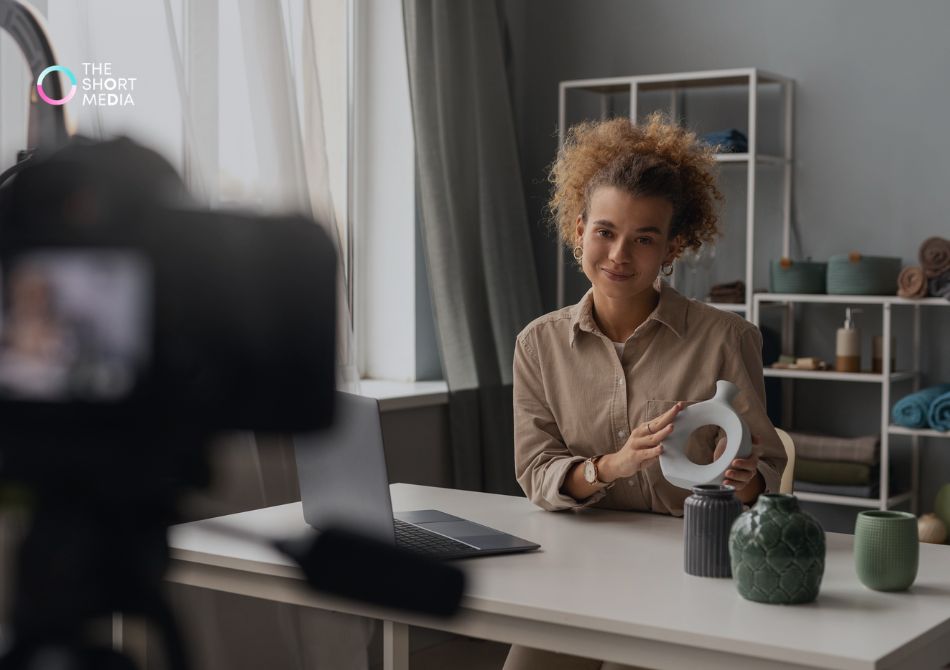
A few months ago, I watched a skincare brand spend real money on polished video ads that looked like they belonged on Hulu. Nice lighting. Clean set. Founder talking straight to camera. Very “we know our customer.”
They flopped.
Then the team posted a scrappier video: a creator in her apartment bathroom, half-whispering about why she switched from a drugstore cleanser after getting dry patches around her nose. The comments filled up with the stuff the brand’s landing page had skipped over — texture, scent, whether it pilled under sunscreen, if it worked on tretinoin skin. That video didn’t just get attention. It pulled in customers at a lower CPA than Meta had been delivering for weeks.
That’s the thing with TikTok Ads in the US right now. They’re not just another paid social placement. They’re changing how brands get discovered, how products get evaluated, and honestly, how creative teams have to think if they want acquisition to work.
Why TikTok Ads feel different from other paid channels
A lot of paid channels still reward predictability. You build a clean funnel, tighten your audience, rotate creatives, optimize for conversion. That still matters, sure. But TikTok Ads often behave more like media plus merchandising plus comment-section research all at once.
People aren’t always arriving in a “shopping mode” the way they might from branded search. They’re scrolling. They’re bored. They’re killing time in line at Target. So the ad has to earn a few extra seconds before it earns a click.
That changes the kind of creative that works.
I’ve seen beauty brands in the USA overproduce their videos so badly that they end up looking suspicious. Not scammy exactly, just too rehearsed. A creator reading a script too perfectly is one of the fastest ways to lose people on TikTok. You can almost feel the swipe coming. On the other hand, a product demo filmed in a kitchen, with uneven lighting and a slightly messy counter, can outperform studio footage because it feels like something a real person would actually post.
For marketers, that means customer acquisition is less about forcing a brand message into a 15-second box and more about matching the way people already consume content.
Where tiktok ads for business are actually winning
The interesting part is that tiktok ads for business aren’t just working for trendy DTC brands with young audiences. That assumption is outdated.
I’ve seen tiktok ads for business work for:
– protein powders and fitness apps
– cleaning products sold on Amazon
– regional med spas
– home organization products
– frozen food launches in big-box retail
– local service businesses with decent before-and-after visuals
A home product brand, for example, can show a sink filter installation in a real apartment kitchen in Chicago and pull better engagement than a glossy explainer. A food brand launching in Kroger or Target can run creator-led taste tests that feel closer to a recommendation than a commercial. A dentist with multiple locations in Texas can use short patient-friendly clips about Invisalign timelines or whitening expectations and bring in qualified leads, not just views.
That’s why tiktok ads for business have become harder to dismiss. The platform is broad enough now that customer acquisition isn’t limited to one type of buyer or one age bracket.
The creative gap is where most brands struggle
Most underperformance on TikTok isn’t really a media buying problem. It’s a creative problem, and usually a very fixable one.
Brands often bring over the instincts they built on Meta or YouTube and assume they’ll transfer. Sometimes they do. Usually not cleanly.
With tiktok ads for business, the creative has to feel native without becoming lazy. That balance is tougher than people think. I’ve watched teams join a trend two weeks too late, use slang their audience would never say, or send creators scripts packed with selling points that no normal person would speak out loud.
The better approach is usually simpler:
show the product early, get to the tension fast, and let the person on camera sound like themselves.
For a supplement brand, that might mean skipping the founder monologue and opening with “I bought this because my 3 p.m. crash was getting embarrassing at work.” For a home cleaning product, it might be a side-by-side stain test on a white couch. For tiktok ads for business, specificity tends to do better than polished brand language.
And comments matter more than some teams expect. I’ve seen comments reveal the real objection way before a post-purchase survey does. Someone asks if the leggings roll down on a size 14 body. Someone else wants to know if the air fryer liner smells weird when heated. That’s acquisition intel. Good brands turn those questions into the next round of ads.
TikTok Ads and the messy middle of the funnel
One reason TikTok Ads are reshaping acquisition is that the old awareness-versus-conversion split feels less tidy here.
A person might see a creator try a heatless curler on Tuesday, get served a paid testimonial on Thursday, search the product on Amazon over the weekend, then convert after seeing a retargeting video with customer reviews. That path is messy. Very normal, too.
So if you’re running tiktok ads for business, judging success only by last-click performance can lead you to kill creative too early. Some ads won’t close the sale directly, but they’ll make your branded search cheaper, improve retargeting pools, and increase the conversion rate of traffic coming from other channels.
That doesn’t mean you should accept vague “awareness” wins forever. It means you need a more realistic view of how people buy, especially in categories like beauty, wellness, food, and home products where seeing the product in use matters.
What US brands need to stop doing
A few patterns come up again and again.
First, treating TikTok like a dumping ground for resized Instagram creative. You can try it, but don’t act surprised when it underdelivers.
Second, assuming younger creators automatically mean better performance. Some of the strongest tiktok ads for business I’ve seen came from creators who looked and sounded like the actual buyer. A 42-year-old mom explaining why a lunch container keeps strawberries from getting soggy can sell a lot more than a trendy creator who clearly doesn’t use the product.
Third, over-editing. Fast cuts can work. So can captions. But once every frame is screaming for attention, the ad starts to feel like an ad in the worst way.
And one more thing: landing pages still matter. I know, boring point. But if your ad sparks interest and your product page answers none of the obvious questions from the comments, acquisition gets expensive fast. tiktok ads for business can generate demand quickly, but they also expose weak merchandising just as quickly.
How to make tiktok ads for business more efficient
Not prettier. More efficient.
Start with volume. You usually need more creative variation than teams expect. Different hooks, different creators, different use cases, different comment callouts. One winning angle won’t carry the account forever.
Use creators who can improvise. Not just read. There’s a huge difference.
Build ads around actual buying friction. In beauty, that might be shade match, skin sensitivity, or whether the finish looks greasy by noon. In food, maybe it’s protein content, portion size, or where to find it in-store. For tiktok ads for business, the practical objections are often more valuable than broad lifestyle messaging.
Also, don’t separate organic and paid teams too aggressively if you can help it. Some of the strongest paid concepts come from organic posts that already proved they could hold attention. Not every viral post turns into a scalable ad, but ignoring organic signals is usually a mistake.
Why this shift matters for customer acquisition
What’s changing isn’t just media placement. It’s the expectation around proof.
US shoppers, especially in crowded categories, want to see what the product looks like in a real hand, real house, real routine. They want to hear someone mention the annoying detail the brand site didn’t mention. They want enough context to decide whether it’s worth clicking.
That’s why TikTok Ads have become such an important acquisition channel. They compress discovery, education, social proof, and objection handling into one feed experience. Not perfectly. Not every time. But often enough that brands can’t really treat TikTok as experimental anymore.
For teams willing to make more creative, listen to comments, and stop polishing every useful edge off their ads, tiktok ads for business can do a lot more than generate cheap traffic. They can bring in customers who already feel halfway sold because they’ve seen the product used the way they’d actually use it.
And honestly, that’s a big part of why the channel keeps pulling budget.
FAQ
1. Are TikTok ads only useful for younger audiences?
Not really. It depends more on the product and the creative than on the stereotype people still have about the app. I’ve seen solid results for products aimed at women in their 30s and 40s, homeowners, parents, and even local medical or dental services.
2. How much creative do you actually need to test?
Usually more than the team wants to hear. A couple of videos won’t tell you much. You want multiple hooks, a few creators, some direct-response angles, maybe one or two demos, and ideally content that addresses objections showing up in comments.
3. Do polished brand videos ever work?
Sometimes, sure. But they tend to work better when they still feel specific and human. If it looks like a commercial dropped into a feed full of real people talking, performance can get rough.
4. Is tiktok ads for business a fit for local companies?
It can be, especially for businesses with visible results or strong service hooks. Think med spas, gyms, cosmetic dentistry, home services, even boutique fitness studios. Local doesn’t mean boring on TikTok.
5. Should you send traffic to your website or Amazon listing?
Depends on your setup. If Amazon is where you convert best and your reviews are strong, sending traffic there can make sense. If your site has better bundles, stronger retention offers, or more control over the customer journey, keep it on-site.
6. How long should a TikTok ad be?
There isn’t one perfect number. I’ve seen 12-second clips work and 35-second creator videos work too. If the opening is weak, the length won’t save it.
7. What’s the biggest mistake brands make with tiktok ads for business?
Trying to sound like TikTok instead of understanding it. You don’t need to force trends or weird slang into everything. You need creative that feels believable, useful, and close enough to how real customers talk.
8. Do comments really matter that much?
More than a lot of teams think. Comments tell you what people don’t understand, what they doubt, and what they wish you’d shown. That’s basically a free creative brief, so yeah, worth paying attention to.
9. Can TikTok work if your product isn’t visually exciting?
It can, but you’ll need a stronger angle. If the product itself isn’t flashy, focus on the problem it solves, the routine it fits into, or the reaction people have after using it. Sometimes the “boring” product wins because the use case is so relatable.