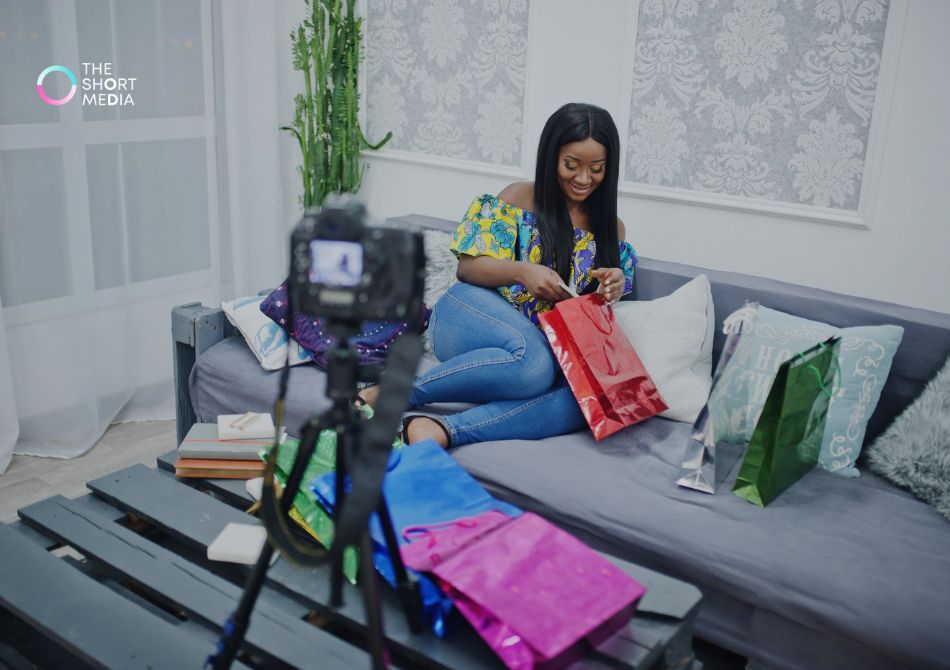
A few months ago, I watched a beauty brand approve a polished video with perfect lighting, clean product shots, and a script that had clearly been reviewed by six people. It did fine. Not terrible, not great. Then a creator posted a much rougher version filmed in her bathroom mirror, half-talking while she put the product on before work. That one pulled comments for days. Questions about shade match, texture, whether it pilled under sunscreen, whether it was worth the price at Target. You could practically see the buying decision happening in the comment thread.
That’s the part a lot of brands still miss.
When people talk about tiktok for marketing, they often reduce it to trends, reach, or “viral content.” But from the brand side, especially in the US, the more interesting shift is what happens between discovery and purchase. TikTok doesn’t just put products in front of people. It changes how they evaluate them, who they trust, what proof they need, and how quickly they move from “maybe” to “I just ordered it.”
And honestly, it’s made a lot of old marketing habits look pretty stiff.
TikTok for Marketing Is Messy, Fast, and Weirdly Good at Selling
Traditional ad funnels assume people move in a fairly orderly way. Awareness first. Consideration next. Purchase later. Nice deck. Real life doesn’t work like that, and tiktok for marketing makes that extra obvious.
Someone sees a protein bar in a lunch-packing video. Then a fitness creator mentions the macros without making it sound like an ad. Later that night, another video compares three flavors from Costco. By the time that person searches Amazon or drives to Trader Joe’s, they already feel like they’ve done research. Not formal research. Just enough.
That compressed decision-making is showing up across categories in the US:
– Beauty products selling out after creator demos at Ulta or Target
– Kitchen gadgets moving because someone used them in a normal apartment kitchen, not a studio
– Home cleaning products getting traction because comments debated whether they worked on pet stains
– Local services, even med spas and dentists, getting inquiries from simple behind-the-scenes clips
I’ve seen tiktok for marketing work especially well when the content doesn’t try so hard to “perform brand.” A product demo filmed on a cluttered counter can beat a studio shoot because it answers the question people actually have: what does this look like in a real home?
The New Buying Journey Looks More Like a Feed Spiral
A lot of US shoppers now buy after repeated casual exposure, not after one carefully crafted campaign. That matters if you’re planning content or hiring tiktok marketing services and expecting one hero video to do the job.
Usually, the path looks more like this:
A person sees a product mentioned in passing. Then they get served a review. Then a dupe comparison. Then maybe a “things I actually repurchased” video. Then comments. Then they search TikTok directly, because yes, people do that before Google now for certain categories. Especially beauty, food, fashion, home, and impulse-friendly Amazon products.
That search behavior changes the creative itself. If you’re using tiktok for marketing, your content has to hold up not just as interruption-based media, but as searchable proof. People want to see texture, setup, cleanup, wear test, size comparison, shipping complaints, and the annoying little details your product page skipped.
I’ve had teams discover their sales page was missing obvious objections because the TikTok comments kept asking the same thing. “Will this fit in a small sink?” “Can you use it on textured hair?” “Does this stain white grout?” Those comments are market research, if you’re paying attention.
Why Creator-Led Content Changes the Purchase Decision
There’s a big difference between a creator who actually understands how people talk on TikTok and one who reads a script like they’re auditioning for a training video. You can feel it immediately. Viewers can too.
That’s one reason tiktok marketing services have become more specialized. It’s not enough to hire someone who can edit vertical video. You need people who know how to brief creators without sanding off their personality, how to spot hooks that feel native, and how to avoid the very common mistake of joining a trend about two weeks too late.
For US brands, creator content often outperforms brand-owned content because it lowers the pressure. A mom showing a lunchbox snack idea, a runner talking through recovery tools, a renter sharing a peel-and-stick home upgrade — these don’t feel like formal product pitches. They feel like useful proof from someone already in a relevant routine.
That doesn’t mean every creator video works. Some die because the script is too tidy. Some because the product is introduced too late. Some because legal made them say five awkward disclaimers in the first eight seconds. It happens.
Still, tiktok for marketing tends to work best when the content leaves room for human behavior. A pause. A small complaint. A real comparison. Not every mention has to sound glowing to drive sales.
TikTok Is Changing What “Trust” Looks Like
Trust used to mean polished branding, strong reviews, maybe a recognizable retailer. That still matters. But on TikTok, trust often comes from accumulation.
Not one perfect video. Ten imperfect signals.
A creator uses the same scalp serum in three separate posts over a month. A customer comments that they found it at CVS. Another person says it helped but smelled weird. Someone else asks if it works on color-treated hair and gets a real answer. That stack of signals can do more than a landing page headline ever will.
This is where good tiktok marketing services earn their keep. They don’t just chase views. They help brands build enough content variation that a shopper can encounter the product in different contexts: demo, review, objection handling, lifestyle use, retail sighting, creator testimonial, even a stitched response to a skeptical comment.
That’s not flashy strategy talk. It’s just how buying behavior looks now.
What US Brands Keep Getting Wrong
A lot, honestly.
One common problem: treating TikTok like a place to repost ads from Meta. Those usually look expensive and tired within seconds. Another: assuming trends are the strategy. Trends can help, but if the product fit is weak, they won’t save anything.
I’ve also seen brands overestimate how much production value matters. For some categories, sure, a cleaner look helps. But with tiktok for marketing, overproduced often reads as less believable. Especially for DTC skincare, supplements, home products, and Amazon-focused items where shoppers want to see the thing used in normal conditions.
Then there’s the issue of speed. TikTok punishes slow approval cycles more than most channels. If your team needs 12 days to approve a reactive post, you’re probably publishing after the moment passed. I’ve watched retail brands finally post a trend adaptation after the comments had already turned on that format. Painful.
And brands still ignore comments too often. Which is wild, because comments are where purchase friction shows up in plain English.
Why TikTok Marketing Services Matter More Than Just Media Buying
A lot of executives hear tiktok marketing services and think ad setup, targeting, and budget management. That’s part of it, but it’s not the whole job anymore.
The stronger teams are blending creative strategy, creator sourcing, paid amplification, comment mining, and retail awareness. They know a Whole Foods placement video needs a different angle than an Amazon promo. They know a local service business in Texas may need face-forward educational clips, while a national beauty brand might need 30 creator variations around one product claim.
That’s where tiktok marketing services can actually influence buying behavior, not just report on it. They help shape the proof people see before they buy.
And if they’re good, they’re not obsessed with virality. They’re watching saves, search lift, comment quality, creator fit, repeat mentions, and whether people are saying things like “okay, I’ve seen this three times, is it actually worth it?” That’s often closer to a buying signal than a vanity metric.
TikTok for Marketing Isn’t Replacing Everything, but It Is Rewiring Habits
For most US brands, TikTok isn’t operating alone. Someone sees a product on TikTok, then checks Amazon reviews, visits Target, looks at Reddit, asks a friend, maybe waits for payday. Fine. That’s normal.
But tiktok for marketing is increasingly the thing that starts the chain and shapes the criteria. It tells people what to notice. It gives them language for evaluating the product. It surfaces objections early. It normalizes trying a brand they hadn’t heard of last week.
That’s a real shift.
If you work in beauty, food, fitness, home, local services, or DTC, you’ve probably already felt it. The products moving fastest aren’t always the ones with the biggest budgets. Sometimes they’re the ones showing up in believable hands, in familiar places, with enough repetition to feel tested.
Not polished into oblivion. Just seen enough, from enough angles, to make buying feel low-risk.
FAQ
1. Is TikTok mostly useful for younger shoppers in the US?
That’s outdated at this point. Younger users still shape a lot of culture on the platform, but plenty of purchase activity comes from millennials and older audiences too, especially in home, food, parenting, beauty, and local service categories.
2. How long does it take to see results from TikTok content?
Depends on the product and the content volume. Some brands get a quick spike from one strong creator post, but more often you start seeing useful patterns after a few weeks of consistent testing. One video rarely tells the whole story.
3. Do businesses need creators, or can they post from their own brand account?
Brand accounts can work, especially if someone on the team understands the platform and can speak like a person. But creators usually help because they bring context and credibility that’s hard to fake. Also, some in-house videos just feel… approved to death.
4. Is TikTok better for impulse buys than expensive products?
It’s definitely easier with lower-friction products, but higher-ticket items can work if the content answers practical concerns. I’ve seen fitness equipment, premium skincare devices, and home improvement products gain traction when creators showed setup, results, and tradeoffs honestly.
5. What kinds of products tend to struggle?
Products that need too much explanation upfront often have a harder time. Same with items that look boring in use, unless the creator angle is strong. If nobody can show the value quickly, the content has to work a lot harder.
6. Should brands focus on organic content or paid ads?
Usually both. Organic helps you learn what people respond to, and paid helps you scale what’s already showing promise. Running paid behind weak creative is a fast way to waste budget.
7. Are comments really that important for conversion?
Very. Comments often reveal the exact hesitation stopping someone from buying. Sometimes the fix isn’t a new ad at all — it’s a better answer, a follow-up video, or a clearer product page.
8. Can local businesses in the US actually win on TikTok?
Absolutely, if they stop trying to look like national brands. A med spa, bakery, realtor, or cleaning service can do well with simple, specific videos tied to real customer concerns and local context. Fancy production usually isn’t the deciding factor.