

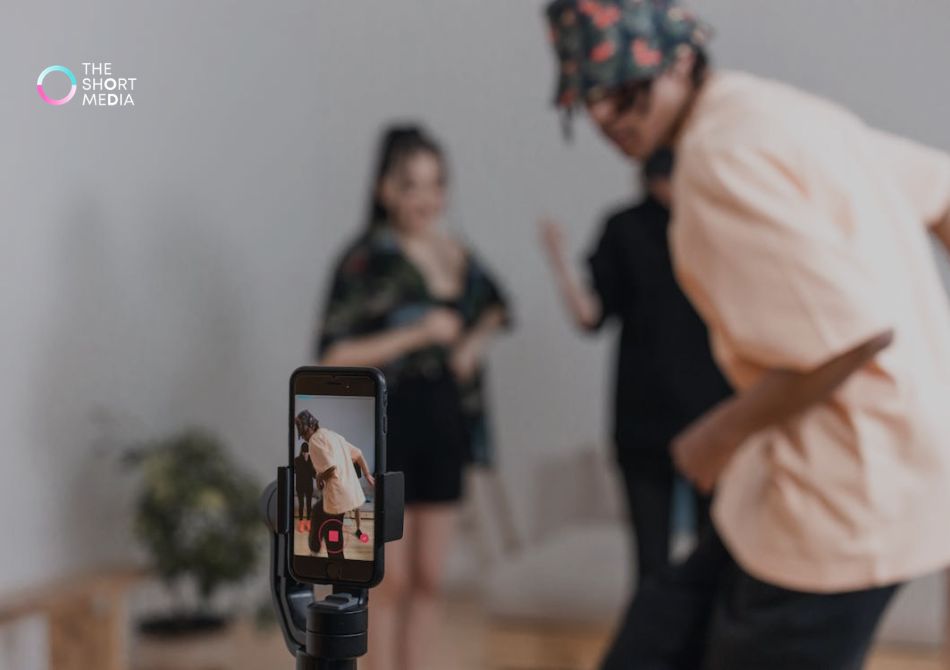
A few years ago, a product video that looked too polished usually felt safe. Clean lighting, tidy voiceover, a perfect little demo. Now? I’ve watched those same assets get ignored while a shaky kitchen clip, filmed next to a half-empty coffee mug, pulls comments, saves, and actual sales.
That shift matters. Not because people suddenly stopped liking ads. They didn’t. They just got better at spotting when something feels overworked.
If you spend enough time inside tiktok business ads accounts, or reviewing creator briefs for US brands, you start to notice something: TikTok isn’t only changing what people buy. It’s changing how they evaluate products before they buy them. Faster, maybe. But also with more skepticism, more comparison, more demand for proof.
That’s why tiktok ads for business can be so effective when they’re built around the way people already browse. Not the way a brand wishes they’d browse.
TikTok isn’t just selling products. It’s teaching a buying habit.
US shoppers on TikTok have gotten weirdly good at filtering. They’ll watch a product demo for three seconds and make a snap judgment on whether the creator actually uses the thing. They’ll read comments before clicking. They’ll look for the one person saying, “I bought this and the battery died in a week,” and weigh that against 40 people saying it worked.
That behavior didn’t come from nowhere. TikTok trained it.
The platform rewards fast pattern recognition. Users see product claims, reactions, demos, stitch responses, “part two” follow-ups, and comment callouts all in the same feed. So people aren’t just watching ads. They’re watching mini case studies, side-by-side comparisons, and public skepticism in real time.
I’ve seen this with beauty brands in the US especially. A serum ad can get decent click-through, sure. But the comments often do the real work. Someone asks whether it pills under sunscreen. Another says it broke them out. A creator replies with a bare-faced update three days later. Suddenly the audience has more useful purchase info than they’d get from a polished PDP.
That’s part of why tiktok ads for business feel different from older paid social formats. The ad isn’t the whole message. The surrounding behavior matters too.
Why polished brand logic often falls apart on TikTok
A lot of teams still bring Facebook-era instincts into TikTok. They want one clear message, one clean hook, one approved script, one safe creator. Then they wonder why the content feels flat.
Usually it’s because the script sounds like legal reviewed every sentence twice. You can hear it. A creator pauses in exactly the wrong place, says the product name too neatly, and suddenly the whole thing feels rented.
With tiktok business ads, the audience often responds better when the selling point arrives sideways. A mom in Ohio showing how a storage cart fits between her washer and dryer. A fitness creator in Texas comparing two protein shaker bottles because one leaks in the car. A small home brand filming a stain remover demo on grout that actually looks dirty, not “styled dirty.”
Those examples work because they answer the buyer’s real question: does this hold up in a normal American household, not a brand deck?
And honestly, some of the strongest tiktok ads for business don’t look especially strategic at first glance. They look specific. That’s different.
Comments are doing market research for free
This is one of the more underrated parts of TikTok. Comments will tell you exactly where your sales page is weak.
I’ve seen a DTC cookware brand get dozens of comments asking if the pan works on induction stoves. The ad never mentioned it. Their product page barely mentioned it. That objection was sitting there, plain as day, in public. Same thing with a pet brand whose ad showed a calming chew but skipped dosage details for larger dogs. The comments filled up immediately.
That’s where tiktok ads for business can sharpen a brand if the team is paying attention. Not just because comments increase engagement, but because they expose friction early.
For local service brands in the USA, this can be even more useful. A med spa, HVAC company, or dental office running tiktok ads for business might see the same practical questions over and over: pricing, insurance, neighborhood coverage, appointment wait times, whether the offer is for new clients only. Those aren’t throwaway comments. They’re objections with free wording attached.
A smart paid social team turns those into the next five videos.
TikTok has made “proof” feel non-negotiable
Not fake proof. Not “trusted by thousands.” Real proof.
Show the blender crushing ice, not a beauty shot on the counter. Show the mop picking up dog hair near the baseboards. Show the Amazon gadget being installed by someone who is mildly annoyed and not especially handy. That last one, by the way, often performs better than the clean tutorial because it feels more believable.
I’ve watched tiktok business ads for food brands win simply because the creator took a bite too early and talked with their mouth half full. Not elegant. Very effective. It felt unrehearsed.
This is where US audiences are getting smarter. They’re not only asking whether a product looks nice. They’re asking how it behaves under friction. Shipping issues. Mess. Cleanup. Sizing. Texture. Noise. Whether the “before and after” was filmed on the same day. They’ve seen enough content to know what brands tend to hide.
That’s why tiktok ads for business often perform best when they stop trying to smooth everything out.
The smartest brands on TikTok build for comparison, not just attention
A lot of ad teams still chase thumb-stop metrics as if the view itself is the win. It’s not. Not on a platform where people are constantly comparing one product against another, often in the same session.
What tends to work better is content that helps the viewer make a decision. Not just notice the brand.
For example, a US supplement company might run three versions of the same offer:
– one creator talking about taste
– one focused on ingredients
– one showing how they actually mix it before work
The comments and retention patterns will tell you which buying angle matters most. Sometimes it’s not what the brand assumed. I’ve seen a wellness product team obsess over clinical language while the winning video was just a creator saying the powder didn’t clump in cold water.
That’s a useful lesson for tiktok business ads. Buying decisions on TikTok are often less abstract than marketers want them to be. People care about the boring little details.
And when tiktok ads for business are built with that in mind, they start acting less like interruptions and more like evidence.
Why trend-chasing usually ages badly
There’s always a temptation to join whatever format is popping off that week. Sometimes it works. A lot of times, the brand is late and everyone can tell.
You’ve probably seen it: a retail brand finally approves a trend after two rounds of internal feedback, legal tweaks the caption, the creator posts it 12 days after the sound peaked, and now it just feels tired. The ad didn’t fail because trends are bad. It failed because the timing got sanded down.
For most brands, especially in the US where category competition is crowded, tiktok ads for business don’t need to be trend-led to work. They need to feel current in a more basic way. Native pacing. Familiar framing. Honest voice. Product use that resembles real life.
A cleaning brand doesn’t need to dance around a mop. It probably just needs a better stain demo.
What this means for brands spending real money
If you’re running tiktok business ads, the takeaway isn’t “be casual” and hope for the best. Casual is easy to fake. Useful is harder.
The stronger approach is to build creative around buyer scrutiny. Assume the audience is going to question the claim, scan the comments, compare alternatives, and notice if the creator sounds too polished. Because they will.
That means:
– write looser creator briefs
– test ugly demos before expensive shoots
– mine comments weekly
– keep the first three seconds specific
– make room for objections inside the ad itself
A kitchen gadget brand can say “easy to clean,” or it can show someone rinsing melted cheese out of the corners. One of those gives the buyer something to trust.
That’s where tiktok business ads are quietly reshaping consumer behavior in the USA. People aren’t just being sold to. They’re being trained to inspect, compare, and verify before they spend.
And honestly, that’s probably healthier for everyone. Including advertisers.
FAQ
1. Are TikTok users really more skeptical than shoppers on other platforms?
They can be, mostly because the format encourages quick judgment and public feedback. On Instagram, people might scroll past. On TikTok, they’ll call out weird claims in the comments, stitch a bad demo, or ask the question the brand hoped nobody would ask.
2. Do polished ads still work on TikTok?
Sometimes, but they need a reason to be polished. Beauty launches at Sephora or major retail campaigns can still look premium and perform well. The problem starts when “premium” turns into stiff or over-scripted.
3. How often should brands refresh creative?
More often than most teams want to hear. If you’re spending consistently, weekly testing is ideal. Even small edits help—new hooks, different creator intros, a better product angle.
4. Is TikTok only useful for impulse buys?
Not really. It’s strong for lower-consideration products, sure, but I’ve also seen it help with mattresses, fitness equipment, higher-end skincare, and local services. The trick is giving enough proof for the price point.
5. What kind of creators work best for tiktok ads for business?
Usually the ones who sound like themselves. Not necessarily the biggest names. A mid-sized creator who understands pacing, knows how to show a product naturally, and doesn’t read the brief like a hostage note can outperform someone with a bigger audience.
6. Should brands reply to comments on ad posts?
Absolutely, if they can do it well. Good replies can clear objections and improve conversion. Bad replies—too corporate, too defensive, too vague—make things worse fast.
7. Can Amazon sellers use this strategy too?
They should. Some of the best tiktok ads for business I’ve seen for Amazon products were simple demo-led videos that answered one practical objection really clearly. Assembly time, storage size, cleanup, that sort of thing.
8. What’s the biggest mistake brands make with TikTok ads?
Trying to control every line. The more a brand squeezes the life out of the creator, the more the ad starts sounding like an ad in the least helpful way. A little mess usually performs better than a lot of approval layers.