Marketing TikTok Shop Products: A Comprehensive Guide
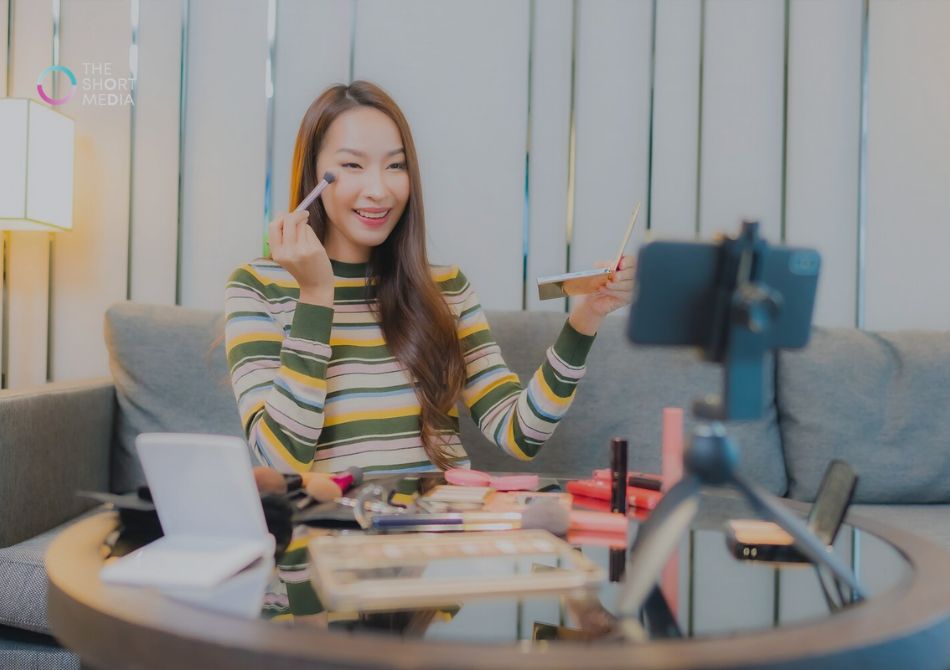
I’ve seen this happen more than once: a brand finally gets its product listed on TikTok Shop, posts a few polished videos, maybe runs some Spark Ads, and then sits there wondering why nothing’s moving. Meanwhile, a creator films a quick demo on a cluttered kitchen counter, mispronounces the product name slightly, and sells through half the inventory by Friday. That’s kind of the point. TikTok Shop doesn’t reward the most “brand-safe” marketing plan. It rewards relevance, speed, decent instincts, and a willingness to make creative that feels like it belongs on the app. If you’re serious about marketing tiktok shop products in the USA, you need more than a storefront and a coupon. You need content that closes objections, creators who don’t sound like they’re reading legal copy, and a setup that doesn’t fall apart the minute a video gets traction. Where most brands get TikTok Shop wrong A lot of teams treat TikTok Shop like a checkout feature bolted onto regular social media. It’s not. It behaves more like a messy mix of creator commerce, impulse retail, and comment-section market research. I’ve watched beauty brands post gorgeous campaign edits that got decent views and weak sales. Then they handed the same serum to five mid-tier creators, and one woman in Texas filmed a “first try” video in her bathroom with bad lighting and sold more in two days than the brand page sold all month. Why? She answered the actual concern people had. Texture. Smell. Whether it pilled under makeup. The comments told the story before the sales dashboard did. That’s why marketing tiktok shop products has to start with behavior, not branding. People aren’t browsing the app like they browse Sephora or Target. They’re half-entertained, half-skeptical, and one thumb movement away from leaving. Your tiktok shop setup matters more than people admit A sloppy tiktok shop setup will quietly kill performance even when the content is good. I’m not just talking about basic technical stuff, though that matters. Product titles, pricing, shipping settings, inventory syncing, affiliate permissions, product images — all of it. If your tiktok shop setup is incomplete or confusing, creators won’t want to promote the item, and customers will hesitate right before purchase. A few things tend to matter fast: – Your product page has to make sense on mobile, immediately. – Shipping timelines can’t feel vague. – Variants need clear naming. – The first image shouldn’t look like it was cropped from Amazon in 2019. For US sellers, especially DTC brands also selling on Shopify or Amazon, the friction usually shows up in inventory and fulfillment. I’ve seen a home products brand go mildly viral with a cleaning tool, only to oversell because the tiktok shop setup wasn’t synced correctly with the main store. That kind of mistake doesn’t just hurt one product push. It makes creators wary of working with you again. And if you’re using affiliates, your tiktok shop setup needs to make commission terms and sample availability easy to understand. If creators have to DM three times to figure out whether they’ll get paid, they’ll move on. Marketing TikTok Shop without making it feel like an ad This is where brands usually overdo it. The instinct is to explain everything. Features, benefits, ingredients, origin story, founder quote. Too much. TikTok content usually works better when it picks one angle and commits to it. For a protein snack brand, that might be “what I eat between school pickup and the gym.” For a cleaning product, maybe it’s a side-by-side on a stained stovetop. For a local med spa or salon selling retail products through creators, it could be a quick “what we actually use after treatment” clip. Not a mini commercial. More like a useful interruption. Good marketing tiktok shop creative often does one of these things well: It shows the product in a real setting A studio setup can work, but don’t assume it’s the winner. I’ve seen a cookware demo filmed next to a sink outperform a beautifully lit brand asset because it looked like someone’s actual Tuesday night. It answers a hidden objection Comments are gold here. If people keep asking whether a supplement tastes chalky, whether a concealer creases, whether a pet product is loud, that’s your next three videos. It gives creators room to sound normal This part gets ignored. A creator reading a script too perfectly usually tanks trust. You can hear the approval process in the delivery. Better to give talking points and let them phrase it like a person. That’s also where tiktok promotion services can help, if they’re handled well. The useful ones don’t just push spend or recruit random affiliates. They help shape creator briefs, identify content angles, and keep the paid and organic sides from fighting each other. The creator piece is usually bigger than the ad account A lot of brands in the US still think they can brute-force TikTok Shop with paid media alone. Sometimes you’ll get a short spike. Usually, though, the product needs creator volume around it. Not celebrity creators. Often not even the biggest ones. For tiktok promotion services, the real value is often in finding 20 creators who are believable, category-relevant, and fast, instead of one expensive creator with a broad audience and weak conversion habits. A fitness recovery product, for example, may do better with physical therapists, running creators, and busy-mom wellness accounts than with a giant lifestyle page that posts everything from leggings to air fryers. The same goes for food and beverage. I worked on a snack launch where the highest-performing videos weren’t from “food influencers” at all. One came from a teacher packing her lunch. Another from a dad doing a Costco haul comparison. That’s the kind of thing tiktok promotion services should be looking for — people whose audience can picture buying the product without much imagination. Paid support still matters, just not in the way some teams expect You probably will need paid support if you want … Read more