
The Rise of Search-Driven Content on TikTok
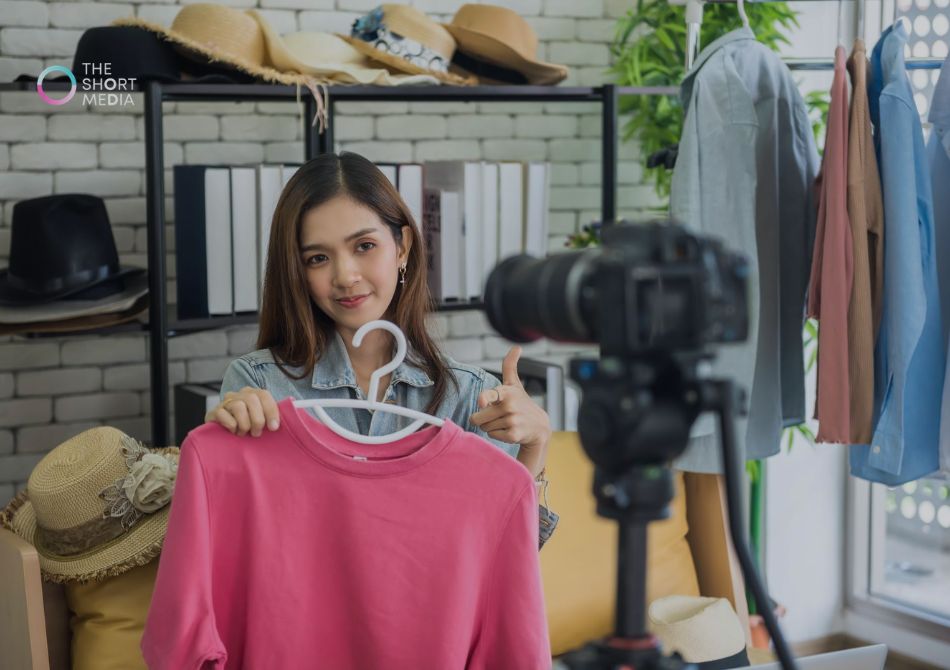
A while back, I watched a skincare brand post a beautifully lit product video with a trendy sound, polished captions, and exactly the kind of creative that used to get a team excited in review meetings. It barely moved. A week later, a creator filmed a quick clip in her bathroom mirror titled something close to “best vitamin C serum for acne marks,” and that one kept pulling views for weeks. That’s the shift a lot of brands in the USA are still catching up to. TikTok isn’t just a feed anymore. It’s where people go when they want a dinner recipe, a foundation match, a treadmill workout, a couch cleaning hack, or a comparison between two Amazon organizers they’ve been staring at for three days. Not every video needs to behave like search content, but pretending search doesn’t matter on TikTok now is how brands end up posting into the void. If you’re building a real TikTok content strategy, search has to be part of it. Not the whole thing. But part of it in a serious way. TikTok stopped being just an entertainment app You can see it in the way people phrase captions and on-screen text now. Instead of vague, clever copy, creators are saying exactly what the video is about: “how to style wide-leg jeans for work,” “best pre-workout for beginners,” “air fryer salmon from frozen.” That’s not an accident. People open TikTok with intent. Sometimes they want a laugh, sure. Other times they want a fast answer that feels more trustworthy than a blog post written by someone who’s never used the product. A local med spa in Texas might search how competitors explain lip filler aftercare. A mom in Ohio might look up lunchbox snack ideas. Someone in California might type “Pilates socks Amazon review” and buy within ten minutes. That behavior changes what content actually works. A lot of TikTok marketing services still pitch the platform like it’s all trends and hooks. That’s outdated. Trends can still help, but search-driven content tends to age better, especially for categories like beauty, food, home, wellness, and local services. A useful video can keep getting discovered long after the sound has died. What search-driven content really looks like It’s not just stuffing keywords into captions and hoping for the best. Usually, the strongest search content on TikTok is painfully clear. The creator says the topic early. The text on screen matches what people would type. The video gets to the point fast. And the answer is actually in the video, not buried behind a dramatic intro. That means a TikTok content strategy built for search often looks a little less “campaign” and a little more “library.” You’re creating content that answers repeat questions: – how to use a product – what size to buy – what makes one version different from another – what results to expect – what to avoid For a beauty brand, that might mean “best blush placement for round faces” or “how this SPF looks under makeup.” For food brands, it could be “easy high-protein breakfast with Greek yogurt.” For home products, maybe “how to remove pet hair from a velvet sofa.” Not glamorous. Very effective. And honestly, some of the best-performing examples are a bit scrappy. I’ve seen a product demo filmed in a kitchen beat studio creative by a mile because it answered a real use-case instead of trying to look expensive. A smarter TikTok content strategy starts with search behavior This is where teams often overcomplicate things. You do not need a giant trend report before posting. You need to know what your customers keep asking, what objections show up in comments, and what people are already searching around your category. A practical TikTok content strategy usually pulls from a few places: Comments are doing more work than most sales pages If your comments are full of “does this work on oily skin?” or “will this fit in a small apartment?” that’s content. Make the video. I’ve seen comments reveal issues the landing page completely missed. A fitness brand kept talking about resistance levels, while buyers in the comments were mostly worried about whether the equipment was loud in upstairs apartments. That became the angle, and performance improved. Search suggestions tell you how people phrase things TikTok’s search bar is useful because it shows the language people actually use. Sometimes brands write like marketers and users search like normal humans. There’s a difference. A home organization brand might want to say “modular pantry storage solutions.” The customer searches “spice rack for small kitchen.” Use the second one. Customer support logs are underrated If your support inbox keeps getting the same five questions, there’s your next month of content. Good TikTok marketing services usually know how to turn those repetitive questions into organic video ideas and paid creative angles. Why brands are hiring TikTok marketing services and TikTok creator services for this Search-driven content sounds simple until an internal team tries to make it at scale. This is where TikTok marketing services and TikTok creator services can be genuinely useful, not just as outsourced production but as filters for what feels native on the platform. A lot of brand teams still over-script. You can spot it right away. The creator hits every product claim perfectly, pauses in the wrong places, and suddenly the whole thing feels like a compliance-approved hostage video. Good TikTok creator services help avoid that. They match brands with creators who can explain a product like a person who has actually used it. Especially in categories like supplements, skincare, kitchen tools, and Amazon products, that delivery matters more than people want to admit. The better TikTok marketing services also know that search content needs volume and variation. One topic can become five videos: – a quick answer – a demo – a comparison – a creator testimonial – a comment reply That matters because different versions catch different search intent. And for retail launches or DTC … Read more