

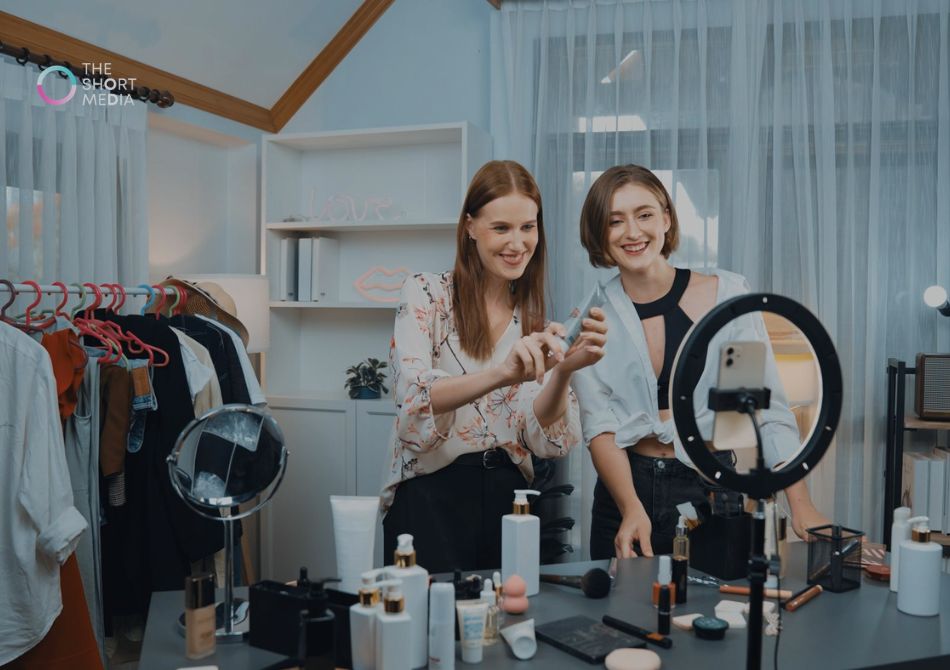
A few months ago, I watched a beauty brand spend five figures pushing polished product videos into TikTok Shop. Nice lighting, clean hooks, solid offer. On paper, it should’ve worked. But the comments told the real story: shade-match confusion, shipping questions, people asking if the formula separated in heat, and a weird number of users saying the creator “sounded like an ad.” Sales lagged.
A week later, the brand posted a rough demo filmed on a bathroom counter. Not fancy. The creator swatched three shades, admitted one undertone was tricky, answered the “will this cling to dry patches?” question directly, and pinned a comment about shipping times. That video moved more units than the studio assets.
That’s TikTok Shop in the U.S. right now. It’s not just a media-buying problem, and it’s not just a creator problem either. If a brand wants real scale, it needs a full-funnel setup where content, creators, paid media, product page details, and post-click trust all work together. A smart TikTok shop agency usually understands this pretty quickly. The ones that don’t tend to burn budget on “winning creatives” that never had enough context to convert.
Full-funnel on TikTok Shop looks different than brands expect
A lot of teams still think in old channel silos. Awareness content sits over here. Conversion ads sit over there. Creator seeding is handled by another person. The ecommerce team worries about PDPs. That setup gets messy fast on TikTok Shop because discovery, evaluation, and purchase often happen in the same session.
Someone sees a protein snack clip from a fitness creator, taps into the product listing, scrolls comments, watches a second affiliate video, checks price, then buys because there’s a coupon and enough social proof. That’s the funnel. Not neat, but real.
For U.S. brands, especially in beauty, food, home, and impulse-friendly DTC categories, TikTok shop marketing works best when you stop treating each touchpoint like a separate campaign. The top of funnel still matters, sure. But on this platform, middle-of-funnel friction shows up in comments, creator delivery, product page images, fulfillment expectations, and whether your offer feels current or weirdly late.
I’ve seen brands join a trend two weeks too late and wonder why the post flopped. I’ve also seen a kitchen-shot demo for a cleaning product beat a high-production launch video because it answered the exact stain-removal question people had.
Start with product-market-content fit, not ad spend
Before scaling anything, figure out whether the product actually makes sense for TikTok Shop. Some items are naturally demonstrable. Others need more education than the platform wants to give.
Beauty does well because the proof is visual. Same for gadgets, home organizers, supplements with a strong use case, snack brands, and affordable fashion. A local service business? Harder, unless there’s a product angle or a strong offer that creators can make tangible. Even Amazon products can work if the content shows a real use moment instead of reading like a listing.
This is where TikTok shop marketing often gets overcomplicated. Brands obsess over account structure while ignoring whether the first five videos explain the product in a believable way.
A few things matter early:
– Can someone understand the product benefit in three seconds without a voiceover?
– Are the objections obvious in the comments?
– Does the creator sound like a person, or like they memorized a brief?
– Is the price low enough, or the value clear enough, for in-app purchase behavior?
If the answer is shaky, more spend won’t fix it. A good TikTok shop agency will tell you that before they start scaling.
The top of funnel is content volume, but not random content volume
This is where brands usually either underdo it or go chaotic.
You need enough creative variation to learn what angle the market responds to. Not just different hooks. Different proof styles, different creator types, different settings, different objections handled. For a U.S. skincare brand, that might mean one esthetician-style explainer, one “get ready with me” integration, one side-by-side wear test, one messy bathroom-counter demo, and one affiliate clip from a creator with acne-prone skin.
That’s top of funnel. Not because these videos are “awareness” in the traditional sense, but because they introduce the product to cold users in formats that feel native.
A strong TikTok shop ads agency will usually build around creative clusters instead of one hero ad. That matters because TikTok doesn’t reward sameness for long. The ad that worked last week often starts to feel stale fast, especially if the creator read the script too perfectly. You can almost hear the drop-off.
Mid-funnel is where comments, social proof, and creator selection do the heavy lifting
This is the part many brands skip because it doesn’t look like media buying.
Once people click through, they’re looking for reassurance. They want to know if the leggings are squat-proof, if the hot sauce is actually spicy or just sugary, if the storage rack feels sturdy, if shipping is a mess. The sales page rarely answers all of that. Comments do.
That’s why TikTok shop marketing needs active comment mining. Not once at launch. Constantly. Comments surface objections your landing page team missed, language your customers actually use, and creator angles that deserve paid support.
I’ve had a home product brand discover that half the audience cared less about aesthetics and more about whether the item fit under a standard U.S. apartment sink. That became the next wave of content. Sales improved because the content got more specific, not because the budget changed.
A solid TikTok shop agency will also pay attention to affiliate mix. Big creators can help, but smaller creators often convert better because their audience still believes them. Especially in categories like supplements, mom products, kitchen tools, and budget beauty. You don’t need fifty creators saying the same thing. You need enough variation that buyers can see themselves in the use case.
Conversion happens before the click and after it
There’s a bad habit in paid social teams of treating conversion as a bid strategy issue. On TikTok Shop, conversion is often won or lost by details that feel annoyingly small.
Your product title matters. Your first image matters. Whether your coupon is visible matters. Whether reviews look real matters. Shipping speed matters a lot in the U.S., where buyers are comparing your delivery promise against Amazon without saying it out loud.
This is where a TikTok shop ads agency earns its keep, if they’re any good. Not by staring at ROAS dashboards all day, but by pushing on the operational stuff too. If your top video is driving traffic and the product page still has weak imagery or confusing bundle options, that’s not just an ecommerce problem anymore.
And don’t ignore live shopping if your category supports it. For beauty, wellness accessories, food samplers, and home gadgets, lives can act like a conversion accelerator. Not every brand needs a big live strategy. But I’ve seen retail launches get a real lift from one well-run live with a creator who could demo, answer questions, and keep things moving without sounding like QVC from 2009.
Why a TikTok shop agency can help when the internal team is stuck
Some brands can build this in-house. Many can’t, at least not quickly.
The challenge isn’t just execution. It’s coordination. Paid media, creator sourcing, affiliate management, offer testing, comment analysis, shop optimization, reporting. If those functions sit in different corners of the org, progress gets slow and weird. By the time creative feedback reaches the person briefing creators, the trend has passed.
A practical TikTok shop agency can shorten that loop. The better ones act less like a vendor and more like an operating partner. They’ll tell you when your product page is hurting conversion, when your “brand-safe” scripts are making creators stiff, and when your offer is too weak for the category.
A strong TikTok shop ads agency should also know what not to scale. That sounds obvious, but it’s rare. Plenty of teams scale the video with the best CTR even though the comments are full of doubt and the conversion rate is soft. Cheap traffic isn’t the same as purchase intent.
Don’t separate paid from organic too aggressively
This split causes a lot of unnecessary friction.
The best TikTok shop marketing systems reuse what’s working across paid, affiliate, and brand-owned posting. If a creator video is converting through affiliate, test it with spend. If a paid ad gets comments asking for a comparison, make an organic follow-up. If your own account posts a rough demo that takes off, don’t dismiss it because it wasn’t “campaign content.”
Some of the strongest TikTok Shop brands in the U.S. aren’t the prettiest. They’re the ones with fast feedback loops. They notice that a creator’s casual “I didn’t expect this to work” line is pulling saves. They catch that users keep asking whether the snack is kid-friendly. They see that the studio setup is underperforming the kitchen one. Then they adjust. Quickly.
That’s usually what separates a healthy account from one that keeps relaunching the same strategy with new buzzwords.
A simple way to think about the funnel
Not tidy, but useful:
Cold audience: make the product make sense fast
Use creators and concepts that show the use case instantly. Demo beats abstraction most of the time. A TikTok shop ads agency should be testing multiple proof angles here, not just opening hooks.
Warm audience: answer the objections they’re already typing
This is where TikTok shop marketing gets more practical. Build content from FAQs, comments, comparisons, reviews, and real friction points.
Ready-to-buy audience: reduce hesitation
Tight product pages, visible offers, strong reviews, clear shipping info, bundles that don’t confuse people. Small fixes here often do more than another round of cold spend.
FAQs
1. How many creators does a brand need to get started on TikTok Shop?
Usually fewer than people think. Ten strong creators with different audiences and content styles can teach you more than fifty rushed partnerships. I’d rather have a small batch of usable, believable videos than a giant seeding list full of flat reads.
2. Should brands focus on affiliate creators or paid ads first?
If you can, build both together. Affiliate gives you native content and some early proof. Paid helps you control scale. When a TikTok shop ads agency only wants to talk about spend and not creator input, that’s a red flag.
3. What products tend to work best with TikTok shop marketing?
Products with visible results or easy demos usually have an easier time. Think beauty tools, snacks, supplements with a clear use case, home organizers, cleaning products, fashion basics. Software and abstract services are tougher. Not impossible, just tougher.
4. How important are comments for conversion?
Very. Comments often tell you why people aren’t buying yet. Sometimes the sales page says all the “right” things, but the comments reveal a missing detail — sizing, ingredients, durability, shipping, whatever it is.
5. Can a brand run TikTok Shop successfully without an agency?
Sure, if the internal team has time and the right mix of skills. But most teams are stretched. A TikTok shop agency can help if you need tighter creative testing, creator management, and faster iteration. If you already have those pieces in-house, you may not need one right away.
6. What should a TikTok shop agency actually be responsible for?
More than ad reporting. They should be helping with creative direction, affiliate strategy, shop optimization, offer testing, and reading performance in context. If they ignore product page friction or comment sentiment, they’re only doing half the job.
7. How fast should brands expect results?
Sometimes you’ll get traction quickly, especially with a product that demos well and has a sharp offer. But plenty of brands need a few rounds of creative learning first. If week one is quiet, that doesn’t automatically mean the channel is broken. It might just mean your first content batch was too polished. Happens a lot, honestly.
8. Is live shopping worth it for U.S. brands?
For some categories, absolutely. Beauty, food, wellness gadgets, and household products often do well because people want to see the item used in real time. If the host is awkward or over-scripted, though, it falls apart pretty fast.
9. What’s the biggest mistake brands make with TikTok shop marketing?
Treating it like standard paid social with a checkout feature attached. The brands that struggle most are usually too slow, too polished, or too disconnected internally. TikTok Shop rewards teams that pay attention and adjust before the moment passes.