

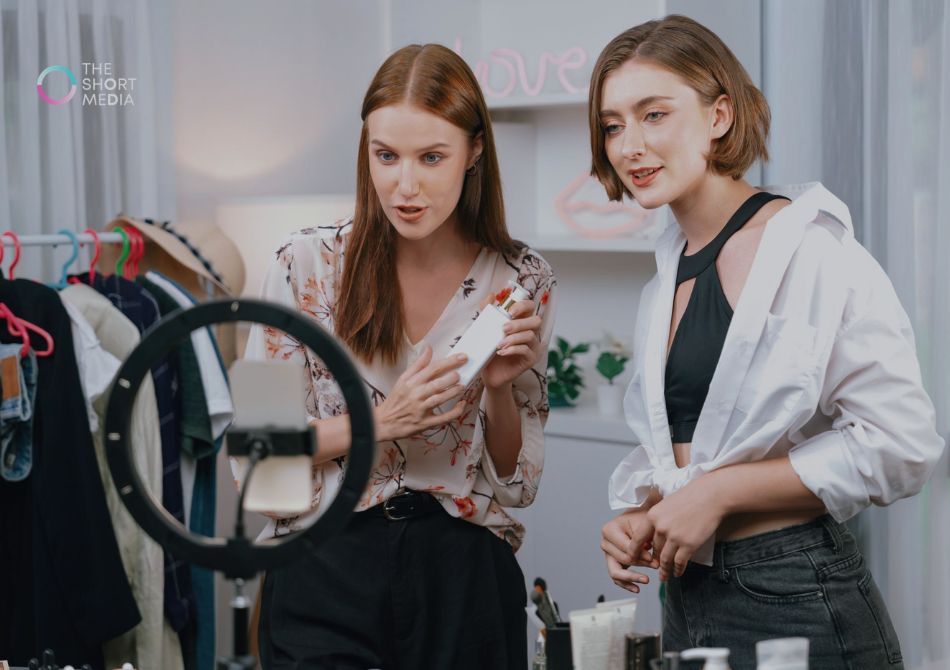
A few months ago, I watched a small beauty brand in Texas sell out a lip oil on TikTok Shop after a creator filmed a very unglamorous bathroom mirror video. Not a polished campaign. Not a fancy studio setup. Just decent lighting, a believable reaction, and a comment section full of people asking if the shade worked on dry lips.
That same brand had been on Amazon for over a year.
Amazon kept bringing in steady sales, sure. But TikTok brought in the kind of first-time customer rush that made the team start rethinking where discovery was actually happening. That’s the tension a lot of brands in the USA are dealing with right now. Amazon still owns a huge share of ecommerce intent. TikTok Shop, though, keeps inserting itself earlier in the buying decision, often before a shopper has even decided what brand they want.
So if the question is which platform is winning new customers, the honest answer is: it depends on what kind of customer acquisition you mean. But if we’re talking about attention, impulse, and product discovery, TikTok is making Amazon look a little slow.
Amazon still wins when shoppers know what they want
Amazon is still the default for high-intent buying. If someone needs protein powder by Friday, a phone tripod under $30, or replacement air fryer liners, they’re probably not opening TikTok first.
They search. They compare. They skim reviews. They buy.
That behavior matters, especially for products that solve a clear need. Household staples, supplements, pet products, kitchen tools, phone accessories, all of that still performs well on Amazon because the shopper is already halfway to checkout. For many DTC brands and Amazon-first sellers, the platform remains a dependable machine for demand capture.
But that’s also the limitation.
Amazon is very good at collecting demand that already exists. It’s less reliable when you need to create desire from scratch. New customer acquisition there usually comes down to ranking, reviews, price competitiveness, ad spend, and whether your listing can survive in a sea of similar products. If you’re launching a new skincare line or a niche home product, Amazon can feel a bit like showing up to a crowded shelf and hoping your packaging does the heavy lifting.
Where TikTok Shop marketing changes the equation
This is where TikTok shop marketing has become so interesting. Not because it replaces Amazon entirely, but because it handles the part Amazon often doesn’t: making someone care before they were planning to shop.
I’ve seen this most clearly with products that need a visual “oh, I get it now” moment. A posture corrector. A scalp serum. A compact blender for protein shakes in the car. A freezer-prep gadget that looks unnecessary until someone shows exactly how they use it in their kitchen.
That kind of product can sit on Amazon for months with modest sales. Then a creator posts a believable demo on TikTok Shop and suddenly the comments are doing half the conversion work. People ask practical questions. Does it leak? Is it loud? Will it work for thick hair? Can you wash it in the dishwasher? Those objections often show up faster in comments than they ever do in a polished sales page.
A strong TikTok ecommerce agency usually understands this. The job isn’t just to run creators through a script and hope for volume. In fact, the worst content often comes from scripts that sound too correct. You can spot it in the first three seconds. The creator pauses half a beat too long before saying the product name, everything is over-explained, and the comments go dead.
A good TikTok shop agency will push brands toward content that feels used, not staged.
Discovery is messy, and TikTok is built for messy
Amazon shopping is efficient. TikTok shopping is chaotic in a way that can be very profitable.
That doesn’t mean random. It means people find products while doing something else. Watching meal prep videos. Looking up gym routines. Falling into “clean girl” beauty content. Scrolling late at night and buying a countertop ice maker they definitely were not planning to buy ten minutes earlier.
For new customer growth, that matters.
A TikTok shop agency that works with food brands, fitness products, or home goods will usually tell you the same thing: the winning videos often don’t look like ads. One of the better-performing product demos I saw recently was filmed in a slightly cluttered kitchen with a toddler making noise in the background. It beat the studio version by a lot. Why? Because it looked like real life, and the product made sense in real life.
That’s the piece some brands still miss with TikTok shop marketing. They bring in their paid social team, repurpose a Meta ad, toss on captions, and wonder why it stalls. TikTok doesn’t reward “good ad creative” in the same way. It tends to reward relevance, timing, face-to-camera trust, and content that doesn’t feel two weeks late to the trend.
And yes, brands do show up late all the time. I’ve watched teams approve a trend after three rounds of review only for it to be completely dead by the time the video goes live.
Amazon converts demand better. TikTok creates it faster.
That’s the simplest way I’d frame it.
Amazon still has the stronger checkout habit for a lot of US consumers. There’s less friction. Prime helps. Reviews help. Search behavior helps. If someone sees your product on TikTok and then buys it on Amazon later, that still says something important about Amazon’s role. It remains the place many shoppers trust for final purchase, especially for higher-priced items or products where review depth matters.
But if the goal is winning *new* customers, TikTok is often upstream from Amazon now.
A TikTok ecommerce agency can help brands build a creator pipeline, affiliate structure, and content testing rhythm that feeds discovery at scale. That matters a lot for beauty launches, snack brands, wellness products, and even Amazon products that need more top-of-funnel attention. I’ve seen Amazon sellers use TikTok Shop almost like a live testing ground. A product gets traction there, comments reveal what messaging actually lands, then the Amazon listing gets updated to reflect what shoppers are clearly reacting to.
That’s smart. Not glamorous, but smart.
The brands getting the most out of both platforms aren’t treating them the same
This is where a lot of teams waste time. They want one content system, one offer structure, one measurement approach.
Doesn’t work.
Amazon needs sharp listings, competitive pricing, review generation, strong search coverage, and ad discipline. TikTok Shop needs creator volume, fast iteration, product seeding, affiliate relationships, and a tolerance for content that looks a little rough around the edges.
A seasoned TikTok shop agency usually knows that your best-performing creator might not be your most polished one. Sometimes it’s the woman filming from her car after Pilates. Sometimes it’s the dad doing a deadpan demo of a home cleaning tool. Sometimes it’s a micro creator with average lighting but unusually strong comment engagement.
That’s why TikTok shop marketing can feel operationally heavier than people expect. There’s more creative turnover. More testing. More coordination. More watching for tiny signals. A creator mentions the packaging is hard to open, and suddenly your comments fill with the same concern. A food product gets praise for being “not too sweet,” and now that phrase belongs in your next five videos.
A TikTok ecommerce agency worth hiring is paying attention to those details, not just reporting GMV totals in a nice-looking slide deck.
So, which platform is actually winning?
If you’re measuring who closes the sale on planned purchases, Amazon is still incredibly hard to beat.
If you’re measuring who introduces a product to someone new, especially in categories like beauty, food, fitness, home, and trend-responsive DTC, TikTok is pulling a lot more weight than some brands want to admit.
And if we’re being practical, many of those “TikTok customers” may still become Amazon customers later. That doesn’t make TikTok less valuable. It just means attribution is messier than dashboards suggest.
The brands doing this well in the US aren’t arguing over whether TikTok Shop replaces Amazon. They’re using TikTok to generate curiosity and urgency, then letting Amazon do what Amazon does best when needed.
Still, if your question is about *winning new customers*, not just harvesting existing demand, TikTok has the edge right now. Not in every category. Not every week. But often enough that ignoring it is a mistake.
Why a TikTok ecommerce agency or TikTok shop agency can help
A lot of brands underestimate how much coordination TikTok Shop takes. Creator outreach, sample management, affiliate setup, content approvals, ad amplification, comment mining, offer testing, inventory pacing, retail conflicts, Amazon overlap, all of it stacks up fast.
That’s where a TikTok ecommerce agency can be useful, especially if your internal team is already stretched. The right partner won’t just push content volume. They’ll know when to seed to 50 creators instead of 10, when to stop overproducing, and when a product simply isn’t right for TikTok Shop yet
A strong TikTok shop agency also helps brands avoid a common mistake: treating TikTok like a media channel only. It’s also merchandising, creator management, community reading, and a little bit of controlled chaos.
And honestly, some brands need that outside pressure. Internal teams can get too attached to polished creative that looks expensive and performs like wallpaper.
FAQs
1. Is TikTok Shop taking sales away from Amazon?
Sometimes, yes. But a lot of the time it’s creating demand earlier, and Amazon still picks up part of the conversion later. You’ll often see shoppers discover on TikTok, then search the brand or product on Amazon before buying.
2. Which categories are strongest on TikTok Shop?
Beauty is still a big one. Food, wellness, fitness accessories, home gadgets, and problem-solving products do well too. If a product benefits from a quick demo or visible result, it usually has a better shot.
3. Does every brand need a TikTok shop agency?
Not every brand. If you have a strong in-house creator program, fast approvals, and someone actually watching comments and affiliate performance daily, you may be fine. Most teams, though, get stretched pretty quickly.
4. Is Amazon still better for higher-intent shoppers?
Usually, yes. People go there ready to compare options and buy. That’s especially true for replenishable items, practical household products, and products where reviews are doing a lot of the persuasion.
5. What does a TikTok ecommerce agency actually do?
The useful ones handle creator sourcing, affiliate recruitment, content planning, performance analysis, and often paid amplification too. The less useful ones mostly send recap decks and talk a lot. Big difference.
6. Can TikTok Shop work for Amazon sellers?
Absolutely. In fact, some Amazon-first brands use TikTok Shop to test hooks, objections, and creator angles before updating their Amazon listings and ad copy. It’s a pretty efficient feedback loop when done well.
7. How much polish should TikTok Shop content have?
Less than most brand teams think. Not sloppy, just believable. A creator reading a script too perfectly can tank performance faster than a slightly shaky handheld demo.
8. Is TikTok Shop only for low-priced impulse products?
No, but lower-priced items often move faster there. Higher-ticket products can work if the demo is strong and the creator trust is there. You just need more proof, better framing, and usually more repetition.
9. Should brands choose one platform or use both?
For most US brands, both makes more sense. Use TikTok for discovery and new customer acquisition, then let Amazon capture demand from shoppers who want reviews, fast shipping, or a familiar checkout.