I’ve watched a founder spend $12,000 on TikTok in three weeks, then tell me the platform “doesn’t work for our category.” The product was solid. Margins were healthy. The landing page wasn’t terrible. The real issue was simpler: every ad looked like it had been approved by six people, shot under softbox lighting, and edited by someone who was trying very hard to make it feel “native.”
It didn’t.
That’s the thing with DTC on TikTok. A lot of brands don’t fail because the product is wrong. They fail because they bring Facebook habits, brand-team instincts, and polished retail creative into a feed that punishes that kind of stiffness almost immediately.
If you’re spending money here, or thinking about it, these are the mistakes I see most often with TikTok advertising services and in-house paid social teams alike.
Most TikTok advertising services aren’t fixing the real problem
A lot of brands assume poor results mean they need better media buying. Sometimes they do. But more often, the account structure is fine and the creative is the problem.
I’ve seen DTC beauty brands test five “different” videos that were really the same ad in different outfits. Same hook. Same script. Same product shot in the first three seconds. Same founder voiceover explaining benefits in a careful, polished tone. That’s not testing. That’s rearranging furniture.
Good TikTok ads services should be blunt about this. If your content looks over-rehearsed, no amount of bid strategy is going to save it.
And you can usually tell when a creator has been over-directed. They pause in odd places. They say the product name too perfectly. The testimonial sounds like legal reviewed every sentence. Viewers feel it, even if they can’t explain it.
TikTok performance marketing falls apart when brands treat creative like a one-off project
This is probably the biggest operational mistake. DTC teams treat TikTok creative like a campaign asset instead of an ongoing testing system.
On Meta, you can sometimes stretch a strong asset longer. On TikTok, fatigue hits faster, and not always in a neat pattern. A product demo filmed casually in a kitchen might outperform a beautiful studio cut by 3x. Then a rough “pack an order with me” style video wins for ten days and dies. Then a comment-led ad starts pulling efficient CPA because it answers the exact objection people had around price or sizing.
That’s normal. That’s TikTok performance marketing.
If your team is only producing new ads once a month, you’re probably already behind. The brands that get traction usually have some rhythm: creator sourcing, quick edits, hook testing, landing page feedback loops, and a process for killing weak ads without getting emotionally attached.
Not glamorous. Effective, though.
The “make it look premium” trap
This one hits home products, wellness, and premium beauty especially hard in the USA market. A brand wants to protect its image, so it sands off everything that might feel messy or casual.
Then the ad tanks.
I’m not saying low-quality footage always wins. That’s become its own lazy myth. I’m saying TikTok viewers are good at spotting when a brand is trying too hard to imitate the platform instead of actually participating in it.
A $90 skincare set can absolutely sell on TikTok. But the creative often works better when it shows texture, routine, real bathroom lighting, maybe a creator mentioning that the pump clogged once but they still reordered because the formula worked. That tiny imperfection makes the rest believable.
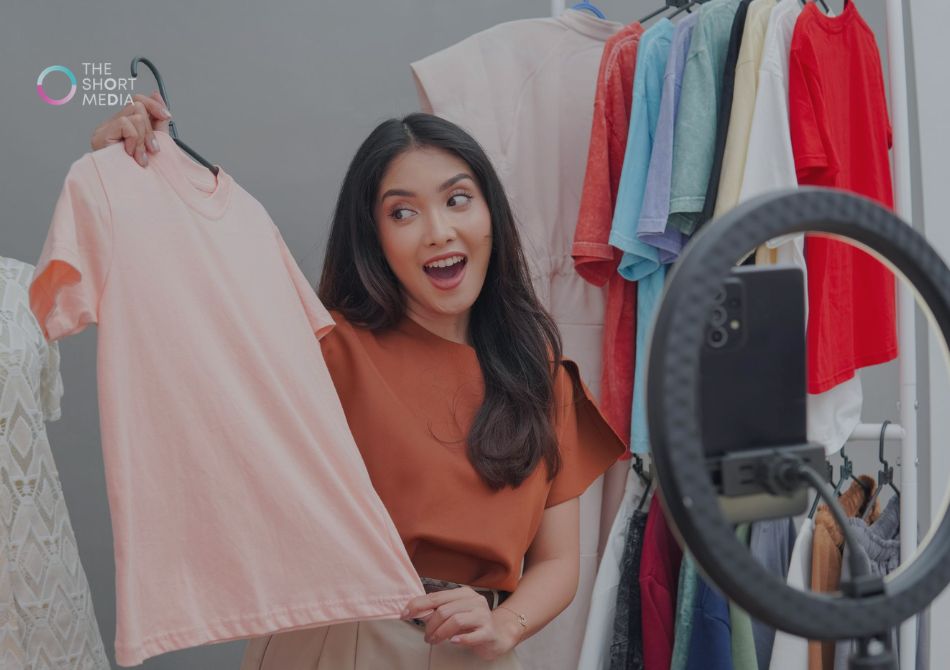
Some TikTok advertising services still push brands toward “UGC-style” content that’s way too polished. Ring light, perfect framing, script memorized line by line. It looks like an ad pretending not to be an ad. People scroll right past.
They ignore comments, which is where the real brief usually is
This one drives me a little crazy. Brands will spend weeks writing internal messaging docs while the comments under their own ads are handing them the actual objections.
For a fitness product, maybe people keep asking if it works in a small apartment. For a snack brand, maybe everyone wants to know whether it tastes chalky. For a cleaning product, maybe the comments reveal shoppers think it’s overpriced because they can’t see how much product comes in the bottle.
That’s useful. That’s creative direction.
Strong TikTok performance marketing teams mine comments constantly. Not just for community management, but for hooks, scripts, creator prompts, and landing page edits. I’ve seen a home organization brand cut CPA just by making a new round of ads that addressed “does this actually hold heavy pans?” in the first two seconds. That question had been sitting in comments for weeks.
Too much targeting anxiety, not enough offer clarity
A lot of DTC founders want to obsess over interests, audience stacks, exclusions, and tiny account tweaks. I get it. It feels controllable.
But some of the worst-performing accounts I’ve seen had very “smart” targeting and weak offers. Free shipping buried halfway down the page. No bundle logic. No reason to buy now. Creatives that explained the product without making the purchase feel urgent or easy.
That’s where TikTok ads services can either help a lot or waste a lot of time. The useful ones don’t just manage ad sets. They look at the full path: ad angle, product page friction, pricing psychology, post-click drop-off, comment sentiment, creator fit.
For DTC, especially in crowded categories like supplements, beauty, and pet products, the offer matters more than many teams want to admit. A decent ad with a strong bundle often beats a clever ad with a vague value proposition.
They hire creators for aesthetics instead of selling ability
This is a quiet budget killer.
A creator can have a nice apartment, clean lighting, and a face that fits the brand deck. None of that means they can sell. Some people look great on camera and still can’t deliver a convincing hook to save their life.
I’ve seen Amazon-focused brands and DTC kitchen brands both make this mistake. They pick creators who feel “on brand,” then get back ten videos where every line lands flat. Meanwhile, a less polished creator filming next to a noisy fridge gets the winning ad because she actually sounds like she uses the product.
That’s a big part of TikTok performance marketing that doesn’t show up in agency case studies. Selling ability is not the same as visual fit.
When evaluating creators, I care less about follower count and more about:
– whether they can speak naturally without sounding like they’re reading
– whether they can show a product in use without awkward dead air
– whether their face, voice, and pacing feel believable for the category
A food brand in the US might need someone who can make a protein snack sound genuinely convenient for school pickup chaos or office afternoons. A local service brand might need a creator who feels credible talking about a home estimate or a cleaning appointment, not someone doing trend faces.
They join trends late and call it strategy
Every team has done this at least once. Someone spots a trend after it’s already saturated, sends it through approvals, and the brand posts it two weeks too late.
By then it feels stale. Worse, it feels corporate.
You do not need to chase every trend. In fact, most DTC brands would be better off building repeatable ad formats than trying to cosplay as entertainment publishers. A strong problem-solution format, a clear product demo, a comparison angle, a “here’s what I didn’t expect” script — these are often more durable than trend-chasing.
The best TikTok advertising services usually have a point of view here. They know when to use trends lightly and when to ignore them. They also know that a trend won’t fix a weak product story.
Creative and landing pages are often telling different stories
This mismatch shows up all the time in TikTok ads services audits. The ad is casual, specific, and emotionally clear. Then the click goes to a product page filled with generic brand copy and polished studio images that don’t match what just got the person interested.
If the ad says, “I bought this because my pantry was a mess and I was tired of bags spilling everywhere,” the landing page should probably support that use case. Show the pantry. Show capacity. Show dimensions fast. Show before-and-after utility. Don’t make people dig.
For TikTok performance marketing, continuity matters more than many teams think. Especially for impulse-friendly DTC products where the ad did the heavy lifting and the page just needs to close the gap.
What better TikTok ads services actually look like
Not all TikTok ads services are equal, and honestly, some are just media buyers with a creator spreadsheet. The better setups usually do a few things well:
They build around creative volume, not just campaign management.
They know how to brief creators without scripting them into oblivion.
They pay attention to comments and post-click behavior.
They understand US consumer context — retail launches, seasonal buying windows, Amazon overlap, promo fatigue, all of it.
And they’re willing to tell a brand that the ad everyone internally loves is not the ad the market wants.
That last part matters.
FAQs
1. How many TikTok ads should a DTC brand test at once?
Usually more than the team is comfortable with, but not so many that nothing gets reviewed properly. For a smaller brand, 4 to 8 genuinely different creatives in a testing cycle is often enough. Not tiny edits. Different hooks, different creators, different angles.
2. Do polished product videos ever work on TikTok?
They can. Especially for beauty, tech accessories, or home products where visual payoff matters. But they tend to work better when mixed with looser footage, voiceover that sounds human, and some actual product use instead of just pretty shots.
3. Is it better to use influencers or paid UGC creators?
Depends on the job. If you need reach and social proof, influencers can help. If you need lots of ad creative fast, paid UGC creators are usually more practical. And honestly, some of the best converting ads come from creators nobody on the brand team had heard of.
4. Why do TikTok ads get clicks but not purchases?
Usually the gap is after the click. The landing page may feel disconnected from the ad, the offer may be weak, or the product page may not answer the exact concern that got raised in the ad comments. Sometimes shipping costs do the damage. Sometimes the page just loads like it’s 2017.
5. How often should we refresh creative?
If you’re spending consistently, probably every week or two in some form. That doesn’t mean rebuilding everything from scratch. It means introducing new hooks, new edits, fresh creator faces, and a few new angles before fatigue gets obvious.
6. Are TikTok trends necessary for DTC brands?
Not really. Helpful sometimes, sure. Necessary, no. A lot of brands would get better results from clear demos and sharper offers than from trying to squeeze themselves into a trending format that doesn’t fit.
7. Can TikTok performance marketing work for higher-priced products?
It can, but the ad has to do more trust-building. For a premium fitness product or skincare system, you’ll usually need stronger proof, clearer use-case framing, and a landing page that doesn’t feel generic. Price resistance shows up fast in comments, which is actually useful if you pay attention.
8. Should DTC brands hire outside help or keep TikTok in-house?
That depends on whether the internal team can produce creative consistently and make decisions quickly. Good outside partners can help, especially if they really understand TikTok performance marketing and not just media buying dashboards. Bad ones just add meetings.
A lot of DTC brands don’t need more theory on TikTok. They need better creative judgment, faster testing, and a little less attachment to what looks “on brand” in a deck. That’s usually where the waste is. Not always in the spend itself, but in the way the work gets made.