

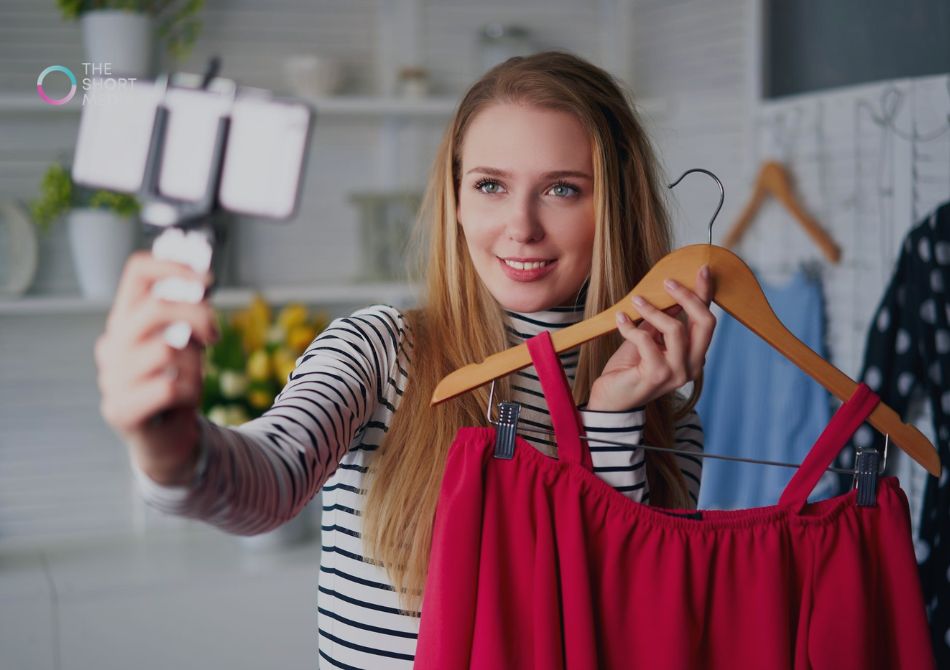
I’ve seen this happen more times than most brands want to admit.
The creative team brings in a polished batch of TikTok videos. The hooks are decent. The lighting is clean. Somebody on the team says, “These look amazing.” Then the campaign launches, spend starts moving, and… not much happens. Plenty of views. A few clicks. Weak conversion rate. Messy CPA.
That gap between “looks good” and “actually sells” is where a lot of TikTok ads services either help or quietly fail.
Pretty creative isn’t the same thing as persuasive creative. On TikTok especially, ads can look native enough to blend in and still miss the real job: getting the right person to care enough to act. And if your TikTok paid ads aren’t converting, the issue usually isn’t just the video. It’s the whole chain around it.
The ad looked right. The audience didn’t feel it.
A lot of brands assume poor performance means the edit needs work. Sometimes it does. But often the bigger problem is that the message lands like it was approved by five stakeholders and sanded down until nothing sharp was left.
You can spot this fast in beauty and skincare. A founder wants to say the product is “clean, effective, dermatologist-tested, and suitable for all skin types,” so the creator tries to fit all of that into 20 seconds. The result sounds like a brochure. Nobody talks like that on TikTok.
I’ve watched a simple UGC clip shot in a messy bathroom beat a much nicer studio video because the creator said one specific thing: “I bought this because my neck was breaking out worse than my face.” That line did more work than a full list of selling points.
Good TikTok ads management starts with identifying the real angle, not the prettiest execution. If the ad doesn’t tap into an actual buying trigger, the production quality won’t save it.
TikTok ads services work better when the offer is brutally clear
Some brands are trying to use TikTok to fix an offer problem. That’s expensive.
If you’re selling a $42 kitchen gadget from a DTC site, and the ad shows a nice demo but never explains why this version is better than the $19 one on Amazon, people will watch and move on. Same thing with supplements, resistance bands, home organizers, even local services. The ad may be visually strong, but the value proposition is fuzzy.
This comes up all the time in TikTok paid ads for food and beverage brands. A sparkling water launch might get solid engagement because the can design looks cool and the creator is likable. But if the ad doesn’t answer the obvious objection — “Why would I switch from what I already buy at Target?” — conversion stalls.
Comments usually tell on you, by the way. If people keep asking things your landing page should have made obvious, that’s a signal. Price confusion. Shipping confusion. Ingredient confusion. Whether the thing actually works. I’ve seen comments do better research than the brand team.
A strong TikTok ads services partner will treat comments, click behavior, and hold rate as part of the sales story, not just reporting clutter.
Your creative may be too polished for the platform
Not always. But often enough.
There’s a weird zone on TikTok where an ad looks professional in a way that makes people scroll faster. Especially if the opening frame screams “campaign.” Clean product hero shot, centered text, brand logo too early, voiceover that sounds like it was approved by legal. You can almost feel the thumb move.
That doesn’t mean low-effort wins by default. It means the ad has to feel like it belongs in-feed. A product demo filmed in a real kitchen can outperform a studio setup because the context helps people imagine using it. A fitness creator talking a little too fast in their car can outsell a polished testimonial because it feels less rehearsed.
I’ve also seen creators read scripts too perfectly. Every word is technically right, and the ad dies. Then they refilm with a rougher take, slightly off-script, and conversion rate improves. Not glamorous, but there it is.
This is where TikTok ads management gets practical. You don’t just ask, “Is the ad good?” You ask whether the first two seconds feel natural, whether the creator sounds like themselves, and whether the product shows up before interest drops off.
Clicks are coming in, but the post-click experience is doing damage
A lot of teams blame the ad because that’s the visible part. Meanwhile, the landing page is quietly wrecking performance.
Your ad might promise one thing and the site delivers another tone entirely. This happens with wellness products a lot. The video is casual and specific — maybe a creator talks about bloating after takeout — then the click lands on a stiff product page full of generic claims and tiny ingredient tabs. That disconnect hurts.
For TikTok paid ads, post-click flow matters more than some brands expect. TikTok traffic can be curious, impulse-driven, skeptical, and easily distracted. If the product page takes too long to load, buries the social proof, or makes the offer hard to understand, you lose people fast.
For Amazon products, the issue can be even simpler: the ad is stronger than the listing. Great hook, weak images. Great demo, no review support. Great problem-solution angle, but the A+ content doesn’t back it up.
A lot of TikTok ads services talk endlessly about creative testing and barely touch the destination. That’s a miss.
Broad targeting can hide weak messaging for a while
Sometimes performance looks “okay” at first because the algorithm finds cheap attention. That’s not the same as finding buyers.
This happens during retail launches and seasonal pushes. A home product gets broad reach because the video itself is satisfying to watch — peel, pour, organize, before-and-after, that whole thing. But when you break down purchase behavior, the ad attracted people who liked the visual, not people ready to buy a $60 storage solution.
Good TikTok ads management means separating attention metrics from buying signals. Thumbstop rate matters. So does CTR. But if add-to-cart rate is soft and checkout completion is worse, the campaign probably has a positioning issue, not just a scaling issue.
And sometimes the targeting isn’t wrong. The creative is just trying to talk to everybody. That usually ends in bland copy and average results.
Timing matters more than teams like to admit
A brand jumping into a trend two weeks late can still get views, but views don’t pay for much. I’ve watched teams push trend-based TikTok paid ads after the sound already peaked, mostly because internal approvals took forever. The ad looked current when it was storyboarded. By launch day, it felt stale.
That’s one reason creator-led production tends to work better for some categories. Faster turnaround. Less overthinking. More room to react to what people are actually saying this week, not last month.
For local services in the USA — med spas, dentists, boutique fitness studios, even HVAC companies — timing also shows up in seasonality and urgency. “Book now” means something different in January than it does in late spring. If your ad looks good but ignores the moment people are in, conversion can stay flat.
What better TikTok ads management actually looks like
Not endless dashboards. Not just “testing more hooks.”
Useful TikTok ads management usually comes down to a few habits:
Start with the objection, not the brand message
If customers think your protein powder tastes chalky, address that. If your cleaning tool looks overpriced, show why it lasts longer or works faster. Don’t dance around the friction.
Build creative around one job
One ad can sell the problem. Another can sell the demo. Another can handle social proof. Trying to cram every talking point into one video usually creates a forgettable ad.
Watch comments like a strategist, not a moderator
Comments tell you where trust breaks. They also reveal language customers naturally use, which is often better than what the copy deck says.
Match the landing page to the ad’s energy
If the ad is casual and specific, the page can’t feel generic and overbuilt. Keep the scent trail intact.
Don’t confuse engagement with progress
Some of the worst-converting TikTok paid ads I’ve seen had very healthy engagement. People liked the creator. They liked the story. They just didn’t want the product enough.
Great-looking ads aren’t the goal
That sounds obvious, but teams still get pulled toward whatever looks most finished.
A converting TikTok ad often feels a little less precious. A little more direct. It gets to the point faster. It says the thing a customer was already half-thinking. It shows the product in a setting that feels believable. Sometimes it even leaves in a tiny imperfection, which helps.
If your campaigns are underperforming, don’t just ask whether the creative looks good. Ask whether your TikTok ads services setup is diagnosing the full path from thumbstop to purchase. Ask whether your TikTok paid ads are carrying a clear offer, a credible message, and a landing page that doesn’t kill momentum. Ask whether the current TikTok ads management process is built around conversion, or just content volume.
Those are different things. And TikTok is very good at exposing the difference.
FAQs
1. Why do my TikTok ads get views but not sales?
Usually because the video creates interest without creating enough buying intent. That can come from weak positioning, vague offers, or a landing page that doesn’t match the ad.
2. How many creatives should I test at once?
More than one, fewer than chaos. For most brands, 3 to 5 distinct concepts is a better test than 12 minor variations of the same script.
3. Are polished videos bad for TikTok paid ads?
Not automatically. They just tend to struggle when they look too much like an ad in the first second. A clean video can still work if the opening feels human and the message is sharp.
4. What matters more: targeting or creative?
For TikTok, creative usually exposes the bigger issue first. But weak targeting can absolutely waste budget, especially if you’re attracting curious viewers instead of likely buyers.
5. Should I use creators or make ads in-house?
Depends on the product and speed you need. Creators often bring better native delivery, while in-house teams are better at iteration and offer control. The strongest setups usually mix both.
6. Why are comments so important in TikTok ads management?
Because people will tell you what they don’t understand, don’t believe, or don’t like. Sometimes a comment section gives you the next three winning hooks. Sometimes it tells you your pricing page needs help. Both are useful.
7. Can TikTok ads services help if my product page is weak?
They should. If an agency only talks about top-of-funnel metrics and ignores post-click performance, that’s a red flag. Creative and conversion path have to work together.
8. How long should I let TikTok ads run before changing them?
Long enough to get real signal, not so long that you pay for denial. That depends on spend level, but if the hook rate is weak early and the click quality looks poor, don’t force it. Some ads just aren’t it.