

I’ve sat in review calls where a very smart agency team presented a TikTok plan that looked like a repackaged Instagram campaign with trending audio dropped on top. Nice deck. Clean brand language. Zero chance it was going to work.
That’s usually where the trouble starts.
A lot of traditional agencies are built around polish, approvals, and control. TikTok is not especially interested in any of those things. It rewards speed, weirdly specific angles, creator instinct, and content that looks like it belongs in someone’s feed rather than in a campaign folder called “Final_V7_Approved.”
This is why so many brands end up looking for specialized TikTok marketing services after a few frustrating months. Not because their agency is bad at marketing in general. Usually they’re quite good. They just weren’t built for this format, this pace, or this audience behavior.
The old agency playbook shows up fast
You can usually spot it in the first batch of content.
The video opens with a logo. The product sits on a spotless table. The creator hits every talking point exactly as written. Nobody interrupts themselves, nobody laughs, nothing feels accidental. It’s technically fine, and that’s the problem. On TikTok, “technically fine” often means scroll-past.
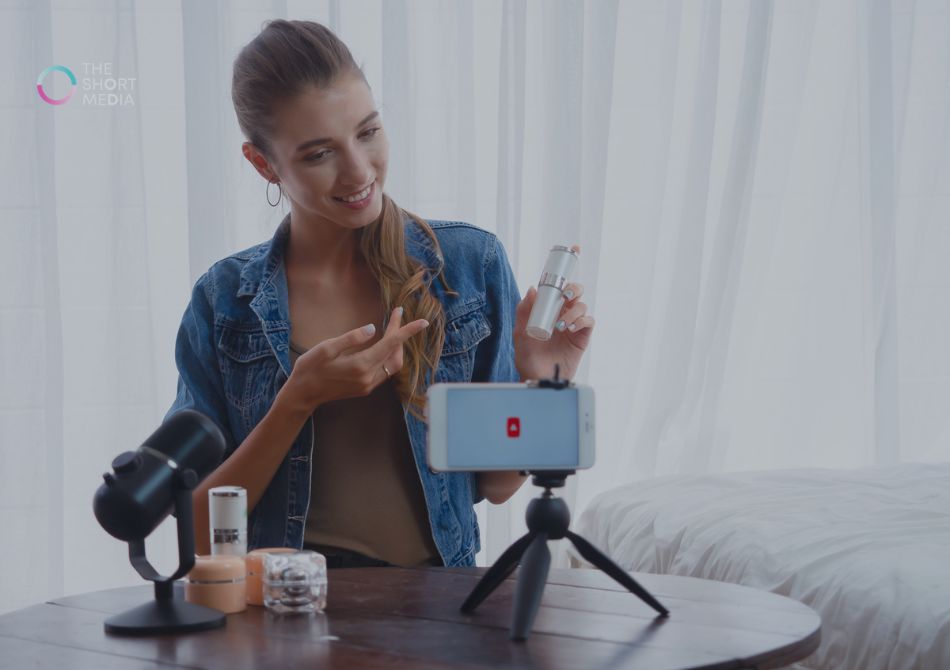
Traditional creative teams tend to protect the brand from messiness. TikTok tends to reward a little messiness. A skincare demo filmed in a real bathroom in Ohio can beat a studio shoot in Los Angeles if the person sounds believable and gets to the point in the first two seconds. I’ve seen a kitchen-shot food gadget demo outperform a polished product reel by a wide margin, mostly because the polished version felt like an ad and the kitchen version felt like a person trying something out after work.
That gap matters. Good TikTok advertising services understand that native-looking content isn’t a style choice. It’s media strategy.
TikTok moves too fast for heavy approval chains
This is probably the biggest operational problem.
A traditional agency may need two weeks to brief, script, review, revise, clear legal, and deliver a single concept. By then, the sound is old, the meme has moved on, and the audience has already seen six better versions from creators who filmed theirs in an hour.
That doesn’t mean brands should chase every trend. Honestly, a lot of trend-chasing is embarrassing, especially when a home goods brand jumps into a joke format 12 days too late and everyone in the comments knows it. But TikTok does require a different kind of speed. Quick testing. Fast edits. Looser production. Less committee energy.
A strong TikTok brand marketing agency usually builds around that reality. They’ll have creator pipelines, editors who can turn variations around quickly, and media buyers who aren’t waiting for one “hero asset” to carry the whole month.
Traditional agencies often still think in campaign flights. TikTok works more like iterative volume. Ten decent tests can teach you more than one expensive masterpiece.
The creative is usually too brand-safe
This part gets touchy, because brand teams do need consistency. But there’s a big difference between consistency and stiffness.
On TikTok, viewers are constantly scanning for signals that something is overproduced or over-controlled. You can hear it when a creator reads a script too perfectly. You can feel it when every line has been ironed flat by compliance and three rounds of stakeholder edits. The result is often “clear messaging” and weak performance.
I’ve watched beauty brands insist on exact claims language in creator videos, then wonder why watch time collapsed. The creator stopped sounding like herself. Same thing with fitness products where the founder wanted every feature listed in the first 15 seconds. Nobody stayed long enough to hear them.
Specialized TikTok marketing services tend to protect the core message while giving creators room to phrase things naturally. That matters more than some teams want to admit.
Why TikTok advertising services need creators, not just production crews
A lot of traditional agencies still source talent the way they source actors. Clean look, good delivery, on-brand presence.
That’s not always wrong. It’s just incomplete.
The people who perform well on TikTok often aren’t the most polished on paper. They know how to pause in the right place, how to front-load the interesting bit, how to make a product mention feel casual instead of inserted. A good creator can make a carpet cleaner, protein bar, or Amazon kitchen tool feel watchable. A bad one can make a genuinely cool product feel dead.
This is where experienced TikTok advertising services earn their keep. They know which creators can sell a beauty launch at Ulta, which ones can make a frozen snack brand feel funny without trying too hard, which ones can explain a local med spa offer without sounding like a radio spot.
And they know when not to over-script. That’s a real skill.
Comment sections tell you things the brief didn’t
Traditional agencies often treat comments as community management. On TikTok, comments are research.
You’ll see objections there that never came up in the kickoff. Price confusion. Shade-match concerns. Shipping anxiety. “Does this work on textured hair?” “Will this hold up in a small apartment gym?” “Why is the before shot brighter than the after?” People are blunt, which is useful.
I worked on a home product campaign where the sales page kept emphasizing design, but TikTok comments kept asking if the item was renter-friendly. We changed the next round of videos to show installation in an apartment kitchen, no damage, no special tools. Performance improved. Not because of some abstract brand insight. Because the comments told us what people actually cared about.
A seasoned TikTok brand marketing agency builds creative loops from that kind of feedback. Traditional shops often don’t. They’re still waiting for the post-campaign report.
Media buying on TikTok isn’t just “run the video”
This gets underestimated all the time.
Some agencies assume TikTok media is simple because the creative looks casual. It isn’t. The platform needs constant refreshing, smart audience testing, strong hooks, and enough variation to avoid fatigue. If the same asset is doing all the work, it usually burns out fast.
Good TikTok advertising services think in clusters: different hooks, different creator faces, different lengths, different objections handled in different ways. A DTC supplement brand in the US might need one version that feels founder-led, one that looks like a customer review, one that focuses on routine, and one that addresses skepticism head-on. Same product. Different entry points.
Traditional teams often overcommit to one concept because it tested well in a meeting room. TikTok doesn’t care what tested well in a meeting room.
Retail, Amazon, and local brands all run into different problems
This is another place where generalist agencies can struggle. TikTok behavior isn’t the same across business models.
A retail launch for a beauty brand at Target needs urgency and proof fast. An Amazon product needs clarity, demo, and maybe a very obvious use case in the first few seconds. A local service business in Texas or Florida needs trust signals that don’t feel cheesy. Different playbooks.
I’ve seen a TikTok brand marketing agency help a food brand by leaning into freezer-to-plate reality instead of stylized serving shots. I’ve seen TikTok marketing services rescue a home cleaning product account by replacing glossy explainers with side-by-side mess demos shot on a phone. Small changes, but the platform tends to reward those.
Traditional agencies aren’t always bad at adaptation. They’re just often slower, more layered, and more attached to old production values than TikTok tends to tolerate.
What better TikTok marketing services actually look like
Not magic. Just a different operating model.
They test more than they present. They care less about whether a video looks expensive and more about whether someone would watch the first three seconds voluntarily. They know a creator can carry a message better than a static brand voice can. They expect half the ideas to be wrong and build around that.
A useful TikTok brand marketing agency also knows when to push back on the client. If the script sounds like legal wrote it, say so. If the trend is already stale, skip it. If the best-performing content was filmed in a founder’s kitchen, don’t force the next round into a studio just because the budget got approved.
That kind of honesty is rare, honestly.
Traditional agencies can absolutely improve here. Some already have. But the ones that struggle usually struggle for structural reasons, not because they haven’t read enough trend reports.
FAQs
1. Why do polished ads often underperform on TikTok?
Because they usually look like ads before they’ve earned attention. If the first frame feels too branded or too staged, people scroll. A rougher video with a clear hook can hold attention longer, even if the lighting isn’t perfect.
2. Can a traditional agency still run TikTok well?
Sure, if they build the right team and stop treating TikTok like a cut-down TV spot. The problem isn’t the agency label. It’s whether they can move quickly, work with creators properly, and test without overprotecting every asset.
3. How is a TikTok brand marketing agency different from a regular social agency?
Usually in pace and creative instincts. A specialized team tends to understand what native content actually feels like, how to brief creators without flattening them, and how to build paid testing around multiple content angles instead of one campaign centerpiece.
4. Are TikTok advertising services only for big brands?
Not at all. Some of the clearest wins I’ve seen were for smaller DTC brands, Amazon sellers, and local businesses with one good offer and decent creative flexibility. Sometimes smaller teams do better because there are fewer approvals.
5. How much content do brands really need?
More than they think, less than they fear. You don’t need 40 perfect videos. You do need enough variation to learn what’s working. A handful of creators, several hooks, and fresh edits each month is a more realistic starting point.
6. Is it better to use influencers or paid ads?
Usually both, but not in the neat way people say it on panels. Creator content often becomes the paid asset. The strongest setup is often creator-led content built with ads in mind from the start.
7. What’s the biggest mistake brands make on TikTok?
Overwriting. Close second: waiting too long to publish because everyone wants to tweak the script. By the time it goes live, the content has no energy left.
8. Do comments really matter that much?
They do. Comments can tell you what people don’t understand, what they don’t trust, and what detail should’ve been in the video. I’d rather read 200 TikTok comments than sit through another vague audience persona deck.
If a brand is serious about the platform, this is usually where the decision lands: keep forcing TikTok into an old agency model, or work with people who understand how the app actually behaves. That’s why demand for TikTok marketing services, TikTok advertising services, and a capable TikTok brand marketing agency keeps growing in the USA. Not because TikTok is mysterious. Because it’s specific, and most traditional agency systems were built for something else.