

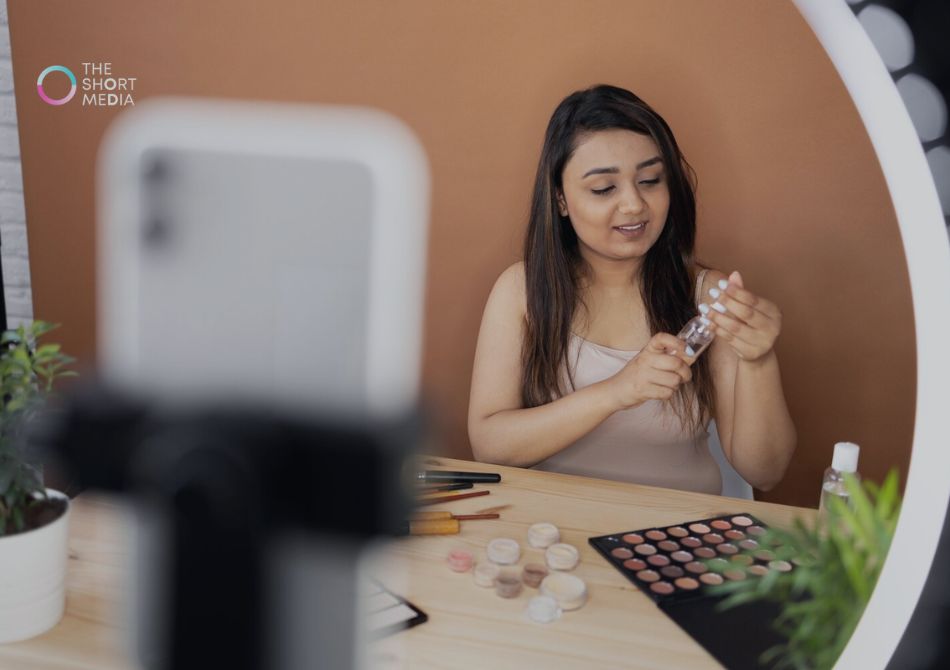
A skincare founder once showed me two TikTok videos for the same product. One was shot in a bright studio, clean lighting, polished copy, brand colors everywhere. The other was filmed on an iPhone in her bathroom with a slightly foggy mirror and a rushed voiceover. Guess which one pulled cheaper conversions.
Yeah. The bathroom one.
That’s usually where the conversation around tiktok business ads starts to get real. Not with big theory. With the annoying fact that what looks “better” to a brand team often performs worse in-feed.
If you’re in the USA and trying to make sense of advertising on tiktok, the main thing to understand is this: the platform rewards ads that behave like content first, ads second. That doesn’t mean you should throw strategy out the window. It means your media buying, creative, landing page, and offer all need to feel connected to how people actually scroll.
And a lot of brands still miss that.
Why TikTok still trips up experienced advertisers
I’ve watched smart paid social teams come into TikTok thinking they can port over Meta creative, trim it to 15 seconds, add captions, and call it a day. Sometimes that works for a week. Usually not for long.
The issue isn’t that TikTok users hate ads. They don’t. They hate ads that arrive with the wrong energy. A creator reading a script too perfectly. A retail brand using a trend about two weeks too late. A beauty demo that looks like it was approved by seven people. You can feel the committee on it.
With advertising on tiktok, performance often improves when the content has a little texture to it. A founder speaking too fast because she actually uses the product. A home organizer showing a cabinet mess before the fix. A protein powder mixed in a real kitchen instead of a glossy set. I’ve seen that kind of footage beat expensive production over and over.
That’s also why many brands end up looking for tiktok ads services once they realize this isn’t just another placement to add to the media plan.
What tiktok business ads actually include
When people say tiktok business ads, they usually mean paid placements run through TikTok Ads Manager. For most U.S. brands, that includes in-feed ads, Spark Ads, video shopping formats, and retargeting campaigns built around site visitors, add-to-carts, or customer lists.
Spark Ads are worth pausing on for a second. They let you amplify existing organic posts, whether from your brand account or a creator partner who’s authorized the post. In practice, that often gives you a better starting point than building every ad from scratch.
For example, a DTC haircare brand might test:
- A founder-led “why my scalp was always irritated” video
- A creator wash-day demo
- A comment-reply video addressing whether it works on color-treated hair
That third one, by the way, is often where the useful stuff is. Comments tend to reveal objections your product page completely missed.
Advertising on TikTok works better when the offer is obvious
This sounds simple, but a lot of campaigns fall apart here.
A U.S. food brand selling functional snacks may have fun creative, strong hooks, and decent click-through rates. Then the landing page opens with vague lifestyle copy and no quick answer on flavor, price, shipping, or ingredients. TikTok traffic is not patient traffic. If someone clicked because they saw a creator break open the snack bar and talk about texture, your page needs to continue that exact thread.
Same with local services. I’ve seen med spas, dental offices, and home cleaning businesses run advertising on tiktok with decent engagement, then send traffic to a homepage that says almost nothing useful. No pricing range. No neighborhood served. No clear booking step. For local U.S. businesses, TikTok can absolutely drive leads, but only if the path from ad to action is dead simple.
The creative problem most brands don’t want to admit
A lot of teams don’t need more targeting help. They need more usable creative.
That’s where tiktok ads services can earn their keep, if they’re actually good. Not just media buying. Creative systems. Creator sourcing. Hook testing. Editing for retention. Knowing when a script sounds like a script.
I’ve sat in review meetings where the worst-performing video was also the one the internal team liked most. It had all the “brand messaging.” It also had no tension, no payoff, and no reason to keep watching after second two.
Good tiktok ads services usually build around volume and variation. Different hooks. Different opening visuals. Different proof points. Not endless random content, but structured testing. A fitness brand might run the same resistance band offer through three angles: physical therapist credibility, apartment-friendly workouts, and postpartum recovery. Same product. Very different audience entry points.
That matters more than people think.
Where U.S. brands tend to get traction
Some categories have a natural fit, but even then, the winners aren’t always the obvious ones.
Beauty does well, sure, especially when there’s a visible transformation or a strong use case. But I’ve also seen advertising on tiktok work for pretty unglamorous products. Cleaning tools. Storage solutions. Pet hair removers. Faucet filters. Things that solve a small irritating problem in a way you can show fast.
Amazon sellers in the U.S. use TikTok this way all the time. Not with elegant brand films. With direct demos, side-by-side comparisons, and creator clips that feel almost too plain. Sometimes that plainness is exactly why it works.
Retail launches can do well too, especially when there’s a clear “available at Target” or “now in Walmart” message. But timing matters. If the creative still feels like a pre-launch teaser after the product has already hit shelves, results usually soften.
And for local businesses, tiktok ads services can be especially helpful when the owner doesn’t have time to figure out content cadence, creator partnerships, or lead tracking. A gym in Austin, a cosmetic dentist in Miami, a home renovation company in Phoenix — they don’t need viral fame. They need qualified attention from people nearby.
Budget, testing, and the part nobody loves
You do need enough budget to learn something. Not Super Bowl money, obviously, but enough to test multiple creatives without killing them too early.
Most brands should spend less time obsessing over tiny audience tweaks and more time asking:
- Is the hook clear?
- Does the product show up immediately?
- Did we bury the offer?
- Does the landing page match the ad?
- Did the creator sound like a person or like legal reviewed every line?
That last one matters. A lot.
With tiktok business ads, early data can be misleading if you only look at CPC or CTR. I’ve seen flashy videos pull cheap traffic and weak purchases, while a more direct product demo brought fewer clicks but stronger conversion quality. If you’re selling a $60 home product or trying to book consultations, quality beats vanity metrics every time.
When to bring in TikTok ads services
Not every brand needs outside help right away. But there are a few signs.
- You’ve got spend going out and no repeatable creative winners.
- Your team keeps recycling the same style of ad.
- You’re relying on one creator who worked once six months ago.
- Nobody has time to brief, source, edit, test, and report properly.
That’s usually when tiktok ads services make sense. The good ones won’t just promise scale. They’ll tell you when your offer is weak, when your landing page is slowing conversion, and when your “UGC” still feels suspiciously like an ad.
And if they can’t talk clearly about creative fatigue, Spark Ads, creator licensing, or comment mining, keep looking.
TikTok Business Ads are rarely won by the most polished brand
That’s the uncomfortable part for some companies. Especially larger ones.
The brands that do well with tiktok business ads tend to adapt faster, not prettier. They notice which comments keep coming up. They film another version that answers the objection. They test a kitchen demo after the studio cut underperforms. They stop forcing trends that don’t fit. They let creators talk like themselves.
That’s really what advertising on tiktok asks for: responsiveness. A little humility, honestly. The audience will tell you what feels off. Usually in the comments, sometimes brutally.
Listen to that, and the platform gets easier.
Ignore it, and you’ll keep paying to distribute videos that look expensive and feel dead.
FAQs
1. How much should a U.S. brand spend to start on TikTok ads?
Enough to test several creatives at once, not just one hero video. For many small to midsize brands, that means starting with a budget that can support at least a few angles over a couple of weeks, so you’re not making decisions off tiny samples.
2. Are TikTok ads only good for ecommerce?
Not really. Ecommerce is the obvious use case, but local services can work too if the ad is specific and the next step is easy. A vague “learn more” funnel usually struggles. A clear booking offer tends to do better.
3. What’s the difference between regular in-feed ads and Spark Ads?
Spark Ads use existing posts, which often helps the ad feel more native in-feed. That can be especially useful when a creator’s original post already has the right tone and pacing. It doesn’t magically fix weak content, though.
4. Do I need creators to make advertising on tiktok work?
Not always, but they help a lot. Founder content, staff content, and customer-style demos can work too. Still, creators are often better on camera than internal teams, and that gap shows up fast.
5. Why do polished brand videos sometimes flop?
Because they look like they were made to sell before they were made to hold attention. People scroll past that feeling pretty quickly. A slightly imperfect demo can outperform if it gets to the point faster.
6. Can TikTok work for Amazon products?
Absolutely. Especially products that solve a visible problem in under 10 seconds. Kitchen gadgets, cleaning tools, organizers, pet products — that category does well when the demo is simple and not overproduced.
7. When should I hire tiktok ads services?
Usually when your team can’t keep up with creative testing or when spend is running without a clear learning loop. If you’ve got one decent ad and no system behind it, outside help can save time. And some frustration, honestly.
8. How many videos do I need each month?
More than most brands expect. Not dozens for the sake of it, but enough to test fresh hooks, offers, and formats consistently. TikTok creative burns out faster than many teams plan for.
9. What should I watch besides clicks?
Conversion rate, cost per acquisition, landing page behavior, and even comment quality. Comments are underrated. They’ll tell you if people are confused about price, ingredients, sizing, or whether the product actually solves the problem you claim it does.