

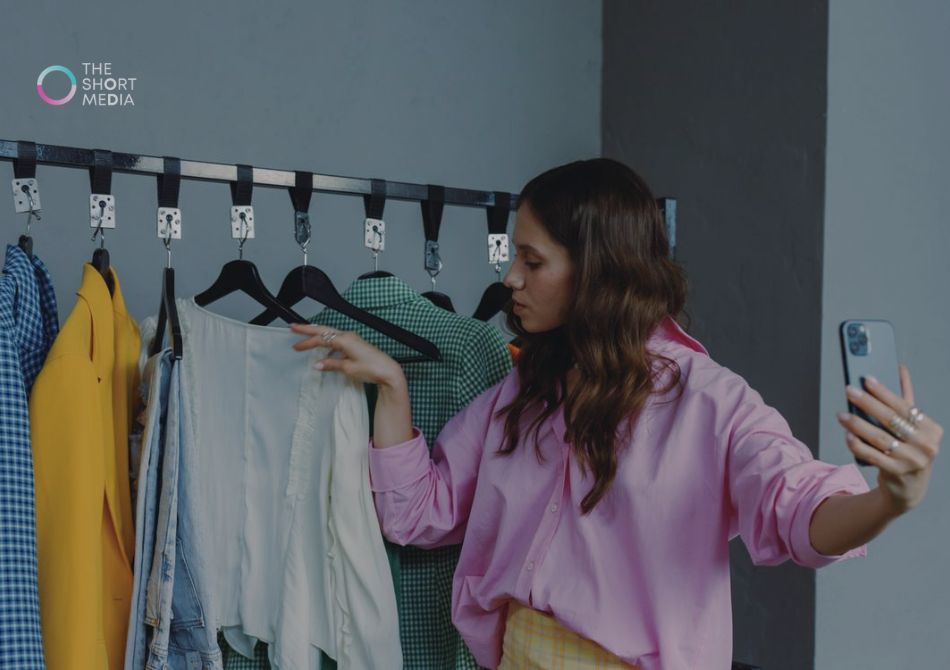
I’ve watched more than one retail team spend three weeks polishing a product page, only to get outsold by a creator filming a shaky 22-second demo at her kitchen counter.
That’s not a knock on polish. It’s just how TikTok Shop tends to work in the real world. A serum dabbed on under bad apartment lighting can move more units than a beautifully edited brand video if the creator sounds believable and the offer is easy to grab without leaving the app. Meanwhile, a brand that shows up with repurposed Instagram creative and a stiff script usually gets ignored. Fast.
For retail entrepreneurs in the USA, tiktok shop marketing isn’t really a side tactic anymore. It’s a sales channel with its own behavior, its own creative rules, and honestly, its own weird little culture. If you treat it like just another ecommerce add-on, you’ll probably waste money. If you treat it like live retail mixed with creator media and impulse buying, you’ve got a shot.
TikTok Shop marketing works when retail teams stop acting like catalog managers
A lot of founders and ecommerce managers still approach TikTok Shop like they’re setting up a cleaner Amazon listing. Title, images, benefits, reviews, done. That part matters, sure. But the sale usually starts before the shopper ever sees the PDP.
What actually moves product is the chain reaction around the listing: creator videos, affiliate clips, comments, reposts, live sessions, Spark Ads, and that one piece of content that unexpectedly pulls in a very specific buyer segment. I’ve seen this with beauty brands, protein snacks, home organizers, even local service businesses selling starter kits or limited retail drops.
A Texas-based skincare brand might think its hero message is “clean ingredients.” Then comments on creator posts reveal people mostly care that the sunscreen doesn’t pill under makeup in humid weather. That’s useful. More useful than the original copy, honestly.
That’s why tiktok shop marketing has to be built around content feedback loops, not just store setup.
The setup is important, but it won’t save weak content
Retail entrepreneurs usually ask about the technical side first. Product sync, shipping settings, commission rates, creator access, return policies. All necessary. None of that fixes boring content.
Your product page should still be solid:
– clear product naming
– strong thumbnail choices
– concise benefits
– visible pricing logic
– reviews that sound like real customers, not edited testimonials
But if your videos feel over-rehearsed, the listing won’t get enough momentum to matter.
One thing I keep seeing: creators reading a brief too perfectly. You can almost hear the approval rounds in the script. The hook sounds like marketing copy, the demo feels staged, and the comments go quiet. Then another creator posts a less “on-brand” version, skips half the talking points, mentions one very specific use case, and converts better.
That gap is where good tiktok shop services can help. Not because an agency magically fixes everything, but because someone has to manage creator sourcing, affiliate structure, content review, offer timing, and paid amplification without sanding all the personality off the videos.
Where most retail brands mess this up
The common mistakes are pretty predictable.
First, they join trends late. A brand sees a format working, sends it through compliance, gets legal notes, requests reshoots, and posts it two weeks after the sound peaked. At that point it’s just cosplay.
Second, they hire creators based on follower count instead of selling style. For TikTok Shop, I’d take a mid-level creator who can demo a kitchen gadget naturally over a larger lifestyle creator who looks uncomfortable touching the product.
Third, they separate organic, affiliate, and paid teams too much. The affiliate manager is chasing creator volume, the paid social team wants clean ad assets, and the ecommerce team is focused on conversion rate. So nobody builds a shared view of what’s actually selling. That’s where experienced tiktok marketing services tend to earn their keep.
I’ve also seen brands ignore comments, which is a miss. Comments tell you what the sales page forgot. Shade matching concerns. Shipping anxiety. “Does this fit under a couch?” “Will this work if I have textured hair?” “Can I use this in an apartment gym without annoying neighbors?” Those are sales objections, handed to you for free.
The creator side of tiktok shop services matters more than most founders expect
Retail entrepreneurs often think of creators as top-of-funnel awareness. On TikTok Shop, they’re often your storefront staff, product demo team, and ad testing engine all at once.
The best tiktok shop services usually build systems around creators, not just one-off posts. That means:
– recruiting creators who match the product’s actual buyer
– structuring affiliate commissions that are competitive without getting sloppy
– briefing creators with enough direction, but not so much they sound robotic
– spotting which videos should be turned into paid ads
– rotating fresh hooks before fatigue sets in
For example, a US home goods brand selling under-bed storage bins might assume “organization” is the angle. Then a creator frames it as “small apartment winter clothes storage” and sales jump. A fitness brand selling resistance bands might think the content should look aspirational; instead, a tired-looking but credible mom filming a 10-minute living room workout outperforms the polished gym footage.
That’s the stuff good tiktok shop services are supposed to catch.
Paid media still matters, just not in the way many retail teams expect
Some founders hear all the organic success stories and assume paid isn’t necessary. That’s usually wrong. But paid creative on TikTok Shop doesn’t behave like old-school direct response Facebook.
The strongest approach is usually to identify creator content that already has signs of life organically, then put spend behind it. Not every viral-looking post will convert, and not every converting post looks exciting. I’ve seen ugly little demos with average watch time produce better sales efficiency than slick edits with strong engagement.
That’s why tiktok marketing services shouldn’t just be media buying with TikTok slapped on top. They need to understand product-market fit inside the feed. Different thing.
For retail launches in the USA, especially for DTC brands entering Walmart, Target, or Amazon-heavy categories, TikTok Shop can help create velocity around a specific product moment. But the ad plan has to support what creators and affiliates are already proving. If paid is trying to force a message the comments are rejecting, performance usually gets ugly pretty fast.
What retail entrepreneurs should actually track
Not every metric deserves equal attention.
You need sales, obviously. But if you only look at attributed revenue, you’ll miss the early signals. Watch for:
– creator output volume and consistency
– percentage of videos that generate meaningful clicks
– comment quality, especially objections and repeat questions
– live shopping conversion patterns
– repeat hooks that keep showing up in winning content
– refund reasons, because those often point to bad positioning
A food brand I worked around once kept pushing “healthy snack” messaging. Comments kept asking if the bars actually tasted good or had that chalky protein texture. Once creators started leading with taste and texture instead of nutrition claims, the content got more traction. Not glamorous. Very effective.
This is also where tiktok marketing services can be useful if your internal team is stretched. Someone has to connect creative signals to merchandising and paid decisions. Otherwise you end up with lots of activity and not much learning.
Choosing between in-house execution and outside help
Some retail brands absolutely can run this internally, especially if they already have a strong social lead, a fast-moving creative team, and someone who understands affiliate operations. But many don’t. They’ve got an ecommerce manager, a junior social coordinator, and a founder trying to approve every video. That setup gets messy fast.
If you’re looking at outside support, ask practical questions. Not vague strategy questions.
Ask how they source creators. Ask how many briefs they typically test per product. Ask how they handle underperforming affiliates. Ask what happens when a product gets traction but inventory is tight. Ask how their tiktok shop services connect with paid, because if those teams don’t talk, you’ll feel it.
The better tiktok marketing services also won’t promise instant scale. They’ll talk about testing volume, creator mix, offer clarity, and operational readiness. Which is less exciting, maybe, but more believable.
Retail wins on TikTok Shop usually look a little messy
That’s part of the point.
A beauty founder in Miami may get better results from a creator filming a “getting ready for brunch” routine than from a formal launch ad. A Midwest kitchen brand may find that a simple before-and-after pantry refill clip keeps selling for months. An Amazon seller launching a cleaning tool might discover that the strongest conversion angle is not “premium quality” but “I used this on baseboards and now I’m annoyed I waited so long.”
Real buying behavior is often less polished than the brand deck.
If you’re serious about tiktok shop marketing, build for speed, volume, and observation. Don’t overprotect the creative. Don’t assume your original positioning is right. And don’t treat TikTok Shop like a static storefront when it behaves more like a moving sales floor.
That’s usually where retail entrepreneurs get stuck. They want control. What they need is a tighter testing system and a little more tolerance for content that feels human.
FAQs
1. How long does it usually take to see results from TikTok Shop?
Sometimes a product gets traction in a week. More often, it takes a month or two of creator testing before patterns show up. If nothing is happening after a decent volume of content, the issue is usually the offer, the product fit, or the creative style.
2. Do I need influencers with big followings?
Not really. Selling ability matters more. I’d rather have ten creators who know how to demo a product naturally than one larger creator who posts a pretty video that doesn’t move inventory.
3. Are tiktok shop services worth it for small retail brands?
They can be, especially if your team can’t manage creator outreach, affiliate coordination, and paid testing at the same time. But small brands should be careful about retainers that sound fancy and produce very little content volume.
4. What products tend to do well on TikTok Shop?
Products that show well on camera usually have an easier time. Beauty, snacks, fitness accessories, cleaning tools, storage products, gadgets, and impulse-friendly home items often have a head start. That said, I’ve seen “boring” products work when the use case is clear enough.
5. Should I run paid ads right away?
Usually not on day one. Get some creator content live first so you can see what language, hooks, and demos feel believable. Then put budget behind the content that already has signs of conversion. Saves a lot of pain.
6. How many creators should a brand test at the start?
More than most founders think. A handful of creators won’t give you enough variation. If budget allows, test a decent spread of styles, demographics, and use cases early, because one unexpected angle can carry the account for weeks.
7. What’s the difference between tiktok shop services and general social media management?
General social management is often focused on posting, community, and brand presence. tiktok shop services should be tied to sales operations: affiliates, creator output, listings, offers, live selling, and scaling winning content. Different job, really.
8. Can local retail businesses use TikTok Shop too?
Sometimes, yes, especially if they sell products alongside services. A salon with haircare kits, a bakery with limited product drops, or a fitness studio selling branded gear can make it work. It just needs a product someone can buy easily in-app.
9. Do polished brand videos ever work on TikTok Shop?
They can. They just usually need to feel less like a commercial and more like a useful piece of content. If it looks expensive but says nothing specific, people scroll. Pretty quickly, too.