

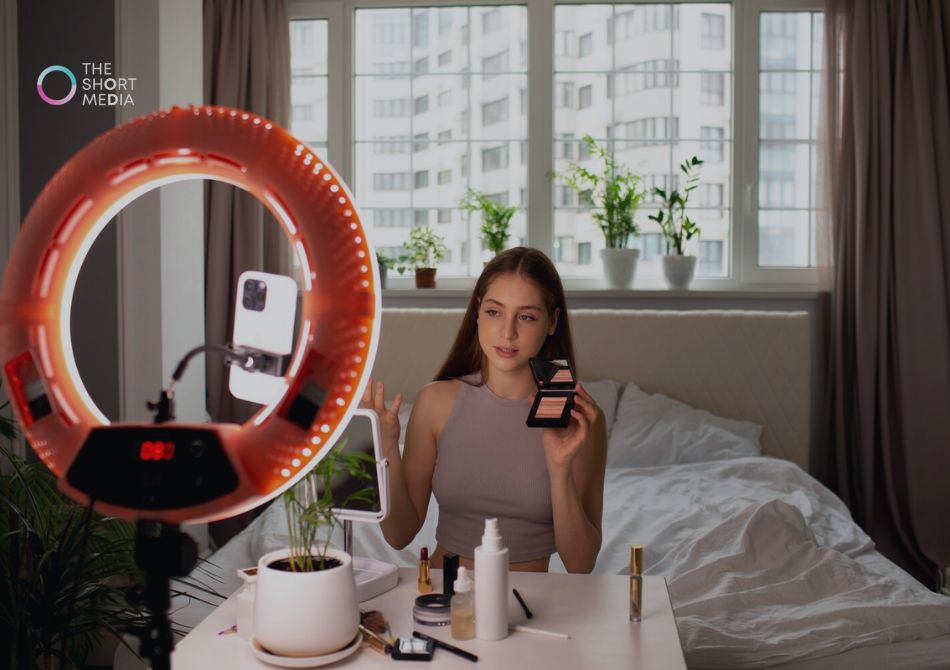
A couple years ago, a lot of brands treated TikTok like a side project. Someone on the social team would post a trend remix, maybe toss a little paid budget behind it, and hope for a surprise hit. You could get away with that for a while.
Not really anymore.
I’ve watched beauty brands burn through polished studio shoots that looked expensive and landed flat, while a quick product demo filmed on a phone in somebody’s kitchen pulled in comments, saves, and actual orders. I’ve also seen local service businesses in the U.S. — med spas, dentists, even HVAC companies — do weirdly well when they stopped trying to “look viral” and just showed the work.
That’s the tension now. A good tiktok marketing strategy isn’t about chasing random trends or posting more often just to stay active. It’s about understanding what kind of content people will actually sit with, what they’ll comment on, and what they need to see before they buy.
The polished brand voice is losing to useful, watchable content
A lot of internal brand teams still want TikTok content to sound approved. Tight script. Perfect product talking points. Clean lighting. Legal reviewed every line. You can feel it immediately.
And usually, so can the audience.
One thing I’ve seen over and over: creators perform worse when they read a script too perfectly. The cadence gets stiff. The praise sounds rented. Even when the creator is a good fit, the content starts feeling like an ad before the product has earned any curiosity.
That’s why many tiktok social media agency teams are shifting the brief. Less “say these exact benefits.” More “show the moment you’d actually use it.” For a protein powder brand in the U.S., that might mean filming the messy 6:30 a.m. routine before work. For a home cleaning product, it might be a side-by-side on a stained grout line in a real bathroom, not a spotless set.
People don’t need rough content for the sake of rough content. They need believable context.
A smarter tiktok marketing strategy starts in the comments
This is one of the more useful shifts I’ve seen: strong teams are mining comments before they write the next batch of creative.
Not just for engagement. For objections.
Comments will tell you what the sales page missed. On TikTok, people are unusually direct about it. They’ll ask if a shade works on mature skin. They’ll say the leggings look see-through. They’ll point out that the countertop appliance seems too big for a small apartment kitchen. If you’re marketing an Amazon product, comments often reveal the exact hesitation that’s keeping someone from clicking through.
A decent tiktok marketing strategy uses those signals fast. If people keep asking whether a supplement tastes chalky, your next three videos should probably show the texture, the mix, and an honest reaction. If a retail launch is getting attention but shoppers can’t find the item in Target, say that clearly in the video and pin the store locator.
This is where some tiktok marketing services are worth the money, honestly. Not because they have a secret formula, but because they can spot repeat patterns in comments and turn them into content angles before the moment passes.
Creator content is still working, but the brief has changed
A lot of U.S. brands still approach creator partnerships like it’s Instagram in 2019. Nice aesthetic. Product in frame. Clean testimonial. Maybe a discount code.
That’s usually too thin for TikTok.
The better creator work now looks more like native storytelling or problem-solving. A beauty creator doesn’t just say a concealer is good. She shows what it looks like under fluorescent bathroom lighting, then checks back in after school pickup. A food brand doesn’t post a glossy hero shot. It gets a creator to make the snack into an oddly specific desk lunch that feels real enough to copy.
And here’s the part people don’t always want to hear: not every creator needs to be a big creator. Some of the strongest paid assets come from smaller UGC-style partners who know how to pace a hook, hold attention, and sound like themselves. A seasoned tiktok social media agency usually has a better eye for this than a brand team that’s only looking at follower count.
I’ve seen brands approve the “prettier” creator video and ignore the one that felt a little less polished, only to find out the rougher cut would’ve almost certainly outperformed. Happens all the time.
Trend participation is getting narrower and less forgiving
There was a period when brands could hop on almost any trend and get some lift just from showing up. That window got smaller.
Now, if a brand joins a trend two weeks too late, people can tell. If the joke doesn’t fit the product, people can tell that too. The content starts to feel like someone in a meeting said, “We should do TikTok,” and everyone nodded.
That doesn’t mean trends are dead. It means trend selection matters more. A strong tiktok marketing strategy doesn’t ask, “What’s trending?” It asks, “What can this brand say naturally inside the format?”
For a fitness app, that might be a trend built around excuses, routines, or progress clips. For a regional restaurant chain in the U.S., maybe it’s less about trends and more about menu hacks, staff personality, or customer reactions to a limited-time item. For local services, trend-heavy content often underperforms plainspoken videos that explain pricing, timelines, and what to expect on the first visit.
Some tiktok marketing services still sell “trend packages” like it’s 2022. I’d be careful with that.
Paid and organic are closer than most teams think
I don’t mean they’re the same. They’re not. But the wall between them is thinner than a lot of companies assume.
The best-performing TikTok ads often look like content that earned its place organically first, or at least content built with that behavior in mind. Not because there’s magic in “organic style,” but because TikTok users are very quick to scroll when something announces itself too early.
For DTC brands, especially in beauty, wellness, and home products, I’d argue the paid team should be in the same weekly conversation as whoever is handling organic and creator sourcing. If your paid team keeps requesting “stronger branding in the first three seconds,” and your organic team keeps seeing drop-off when logos show too fast, that’s not a creative debate. That’s useful feedback.
A lot of tiktok marketing services now package paid creative testing with creator sourcing and community insights, which makes sense when it’s done well. The issue is when agencies overcomplicate it and bury simple truths in reporting decks.
Sometimes the winning ad is just a clear demo with a believable person and a first line that doesn’t sound workshoped to death.
What U.S. brands are getting right lately
Some of the most effective TikTok work I’ve seen from U.S. brands lately has a few things in common.
They’re less worried about protecting the old brand voice and more focused on making content people will finish. They’re filming in environments that match real use. A pan in an actual kitchen. A skincare routine in a car mirror. A garage shelf for a home organization product. That kind of thing.
They’re also building volume without pretending every post needs to be a campaign. Retail launches, Amazon products, local businesses, subscription brands — the teams doing well are usually testing more angles than they used to. Not 40 random videos with no plan. Just enough variation to learn something.
And they’re getting more realistic about outside help. A tiktok social media agency can be useful when the internal team is stuck in approval loops or doesn’t have the bandwidth to brief creators, edit fast, and report on what’s changing week to week. The right tiktok social media agency won’t just hand over a content calendar full of trends and vague hooks. They’ll show you what’s failing, what’s worth repeating, and where the comments are telling you to go next.
That’s also why tiktok marketing services have become more specialized. Some are great at creator casting. Some are strong in paid testing. Some understand local service businesses surprisingly well. A med spa in Dallas needs a very different content engine than a national snack brand trying to win shelf movement at Walmart.
Don’t overbuild it
This is probably the most practical advice I can give.
A working tiktok marketing strategy does not need to be overengineered. It needs a clear content mix, a fast feedback loop, and enough flexibility to respond when something starts working.
If your team is still spending three weeks approving one video, TikTok will stay frustrating. If you’re only measuring views, you’ll miss the comments that explain why people aren’t converting. If every creator gets a rigid script, the content will probably feel like it.
Useful beats polished pretty often here. Specific beats broad. Honest demos beat generic claims. And if a product demo filmed on a countertop with bad winter light is outperforming your studio cut, don’t argue with it. Just make the next one better.
FAQs
1. How often should a brand post on TikTok?
More than once a week, usually. Less because of some magic number and more because you need enough shots on goal to see patterns. For most brands, 3–5 posts a week is a reasonable place to start if the content is varied and you’re actually reviewing what happened.
2. Do small businesses in the U.S. need a full agency?
Not always. A local service business can do a lot with one good content person, a phone, and a simple plan. But if the team is too busy to film consistently or turn customer questions into content, outside help can clean that up fast.
3. Are tiktok marketing services worth it for ecommerce brands?
They can be, especially if your internal team is strong on brand but weak on platform-native creative. The good tiktok marketing services help with creator sourcing, testing hooks, editing for retention, and reading comments without turning everything into a giant strategy document.
4. What kind of creators tend to work best?
Usually the ones who can make the product feel like part of real life. Not always the biggest names. A smaller creator who knows how to hold attention for 20 seconds is often more useful than someone with a huge following and a flat read.
5. How long does it take to see results from a tiktok marketing strategy?
Depends what you mean by results. You can get useful creative signals in a couple of weeks. Revenue impact takes longer if your offer, landing page, or product positioning needs work too. TikTok can surface demand quickly, but it also exposes weak messaging pretty fast.
6. Is it better to work with a tiktok social media agency or freelancers?
That comes down to complexity. If you need creator management, paid testing, reporting, and a lot of weekly output, a tiktok social media agency might be the cleaner option. If you mostly need editing or a few UGC creators, freelancers can be enough.
7. What’s the biggest mistake brands still make on TikTok?
Trying to sound like a brand first and a person second. You see it in the opening line, the script, the pacing. People scroll because the content feels pre-approved in the worst way. A little less control usually helps.