

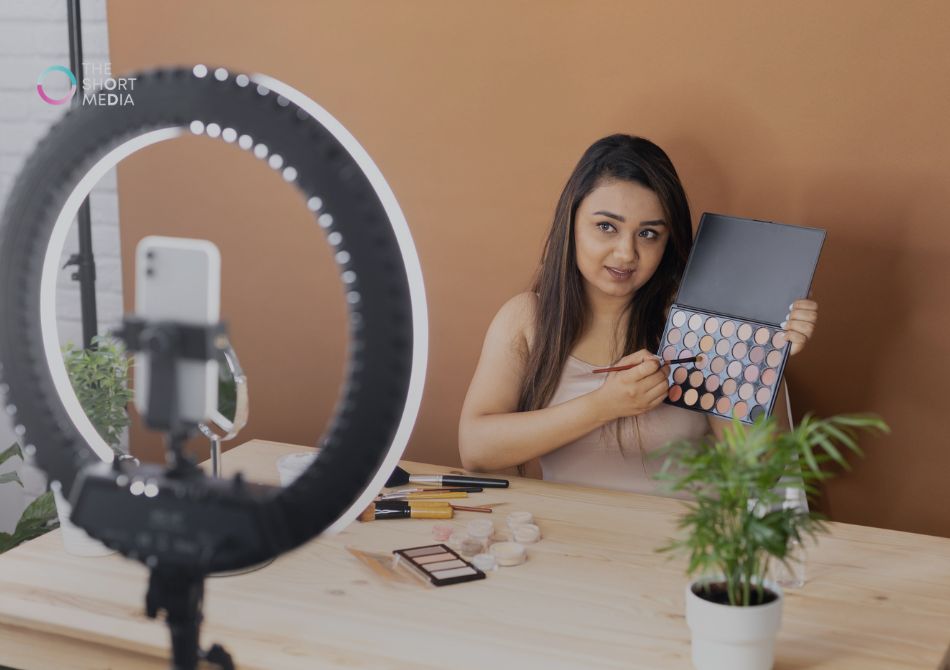
A few months ago, I watched a skincare brand spend real money on polished TikTok videos that looked like mini commercials. Nice lighting, clean edits, founder talking straight to camera. The team was proud of them. The results were rough.
A week later, a creator filmed the same product on her bathroom floor, half-whispering because her roommate was asleep, and that video pulled comments, saves, and actual sales. Not because it was “raw” in some abstract way. It just felt like something a person would actually stop and watch.
That’s the tension with tiktok marketing services. A lot of brands know they need help on TikTok, but they still approach it like Facebook in 2018 or Instagram in 2020. Too much polish, too much control, too much approval layered onto content that needed to be fast and a little looser.
If you’re hiring support, whether that’s a freelancer, creator network, or full tiktok marketing agency, you need more than someone who can post videos and pull reports. You need people who understand how TikTok content gets made, tested, and adjusted in real time.
What brands usually get wrong before they hire TikTok marketing services
The first mistake is assuming TikTok is mostly a media buying problem. It’s not. Paid matters, sure, but weak creative gets exposed fast.
I’ve seen DTC brands in the USA put $20,000 behind ad sets built from content that already looked tired in the first three seconds. The hook was slow, the creator read the script too perfectly, and the product benefit sounded like website copy. You could see the drop-off coming.
The second mistake is treating every video like a campaign asset. On TikTok, volume and variation matter more than one “hero” piece. A home cleaning brand might need ten versions of the same demo: one in a kitchen, one in a garage, one with text-heavy edits, one with almost no talking, one focused on the mess, one focused on the result. Sometimes the kitchen video wins by a mile, even if the studio version cost five times more.
That’s why good tiktok marketing services usually include creative testing, creator sourcing, trend filtering, paid amplification, and comment mining. Not just posting.
A tiktok marketing agency should be part producer, part editor, part therapist
That sounds exaggerated, but not by much.
A strong tiktok marketing agency spends a lot of time talking brands out of habits that don’t belong on the platform. Long intros. Overwritten scripts. Legal reviews that flatten every line into mush. Trend chasing after the moment has already passed. I’ve seen brands jump on a sound two weeks too late and then wonder why the video feels dead on arrival.
The useful agencies are the ones that can say, “This won’t work yet,” and explain why.
For beauty brands, that might mean shifting from founder-led education to creator-led routines. For food brands, it often means filming the product in somebody’s actual kitchen instead of a spotless set. For local service businesses in the US — med spas, dentists, fitness studios, even HVAC companies — it usually means getting staff comfortable on camera without making them sound trained.
And honestly, comments tell you a lot. Sometimes more than the landing page team wants to admit. A supplement brand may think the big objection is price, then TikTok comments reveal people are actually confused about when to take it or whether it causes jitters. That changes the next ten videos.
The part of a tiktok marketing strategy that people skip
A real tiktok marketing strategy isn’t just “post four times a week” or “work with creators.” That’s activity, not strategy.
The useful version starts with content angles. What are the repeatable ways this product can be talked about on TikTok without sounding like a brand trapped in a brainstorm? For a fitness app, maybe it’s trainer reactions, beginner mistakes, realistic progress updates, and side-by-side exercise swaps. For an Amazon kitchen product, maybe it’s problem-solution demos, oddly satisfying cleaning clips, gift-focused content, and “did not expect this to be useful” style reviews.
Then you test those angles with different faces, editing styles, hooks, and lengths.
A good tiktok marketing strategy also separates organic goals from paid goals, even when the content overlaps. Organic can help you learn what people care about. Paid can help you push proven winners harder. But forcing every post to do both usually creates bland content.
And if a team says they have a tiktok marketing strategy but they can’t explain why one creator should read from bullet points while another should improvise, I’d keep looking.
What good TikTok support looks like in practice
This is where tiktok marketing services either become useful or expensive.
For a retail launch in the USA, a brand might need a mix of store-visit content, creator demos, whitelisted Spark Ads, and regional targeting. For a DTC beauty company, the better setup could be weekly creator batches, fast edit turnaround, paid testing against different hooks, and a system for turning comments into new scripts.
For home products, especially the kind sold on Amazon, the strongest content is often painfully simple. A mop cleaning up something gross. A storage item fixing an annoying cabinet problem. A creator saying, basically, “I bought this because I was tired of dealing with this every morning.” Not elegant. Effective.
A capable tiktok marketing agency should be able to build that machine without overcomplicating it. You want clear creative briefs, but not scripts that sound like legal wrote them. You want reporting, but not 40-slide decks that hide the obvious. If the thumbstop rate is weak and the comments are confused, the content needs work.
Why creator selection matters more than most teams expect
This is where a lot of budgets get wasted.
Brands often chase follower count or pick creators who look polished on a pitch call. Then the content comes back and it’s technically fine but stiff. The creator is hitting every message point, pronouncing the brand name carefully, smiling at the right moments… and the video still feels like an ad in a bad way.
A better tiktok marketing strategy usually matches creators to content type, not just niche. Some creators are great at direct-response style demos. Some are believable storytellers. Some can make a protein powder sound normal, which is harder than it sounds. Some should never be given a full script.
The best agencies know this and cast accordingly. A solid tiktok marketing agency will also know when a smaller creator with strong delivery is worth more than a bigger one with weak retention.
I’ve seen a niche mom creator outperform a broader lifestyle creator for a home organization product because she actually filmed the mess before fixing it. That detail mattered. The audience believed her.
Paid media helps, but only after the creative earns it
There’s still a weird tendency to use paid spend as a rescue plan. If organic performance is flat, teams assume they just need more budget behind it.
Usually not.
A strong tiktok marketing strategy treats paid as an amplifier, not a disguise. You test multiple hooks. You find out whether the product demo, the problem setup, or the creator story is carrying the result. You trim the dead weight. Then you scale.
That’s where tiktok marketing services can really pay off, especially when the same team handles creative feedback and media buying together. When those functions are split across too many people, things get slow. The media buyer says the hook is weak. The creative team says the targeting is off. Nobody fixes the actual video.
If you’re hiring help, ask better questions
Before signing with a tiktok marketing agency, I’d ask for specifics.
How many creative variations do they usually test per offer?
How do they source creators in the US?
Who writes scripts, and how tight are those scripts?
How quickly do they turn performance data into new content?
Can they show examples where a weak first round got improved, not just cherry-picked wins?
That last part matters. Anyone can build a case study around one lucky hit. The better signal is whether they know how to recover when the first batch misses.
A decent tiktok marketing strategy is rarely neat. It’s iterative, sometimes annoying, occasionally messy. But when it’s handled by people who understand the platform, it gets a lot less wasteful.
FAQs
1. How much do TikTok services usually cost in the USA?
It varies a lot. Smaller monthly retainers might start around a few thousand dollars for basic management, while a more involved package with creator sourcing, editing, paid ads, and strategy can climb quickly. If a proposal seems cheap, check what’s actually included. A lot of “full service” offers are really just posting and reporting.
2. Do small businesses need a tiktok marketing agency?
Not always. A local coffee shop, gym, or med spa can get traction with one smart in-house person and a clear content rhythm. But if the team keeps overthinking every post or can’t produce enough content consistently, outside help usually saves time and bad creative.
3. How long does it take to see results?
Sometimes a video hits fast. That happens. More often, it takes a few weeks of testing to see which angles and creators are worth repeating. If someone promises immediate scale from day one, I’d be cautious.
4. What’s included in tiktok marketing services?
Usually some mix of content planning, creator management, editing, posting, paid ads, reporting, and creative testing. The stronger setups also include comment analysis and regular creative refreshes, which matter more than people think.
5. Should brands focus on organic or paid first?
Depends on the business, but organic testing is often the cheaper way to learn. You get early signals from watch time, saves, shares, and comments before putting real spend behind a concept. Paid can come in pretty quickly after that if the creative has legs.
6. Can TikTok work for boring products?
Absolutely, though “boring” usually just means the brand hasn’t found the right angle yet. Cleaning tools, pantry storage, insoles, accounting services — I’ve seen all of those get traction when the content starts with a real annoyance instead of a product description.
7. How many videos should a brand post each week?
There isn’t one magic number. For most brands, a few strong tests are better than daily filler. If you can post four times a week with actual variation in hooks, creators, and formats, that’s usually more useful than posting seven near-identical videos.
8. What makes a tiktok marketing strategy actually good?
It should be built around repeatable content angles, fast testing, and honest creative feedback. Not just a calendar. If the strategy can’t adapt when comments reveal a new objection or when one creator style clearly outperforms another, it’s too rigid.
9. Do creators need full scripts?
Usually no. They need direction, key points, and maybe a sample hook. Full scripts often make people sound weirdly formal, like they’re reading a brand deck out loud. You can feel it right away.
If you’re evaluating tiktok marketing services, don’t get distracted by polished decks or trend language. Look for a team that understands how content gets made, why people scroll, and what to change when a video doesn’t land. That’s the work.