

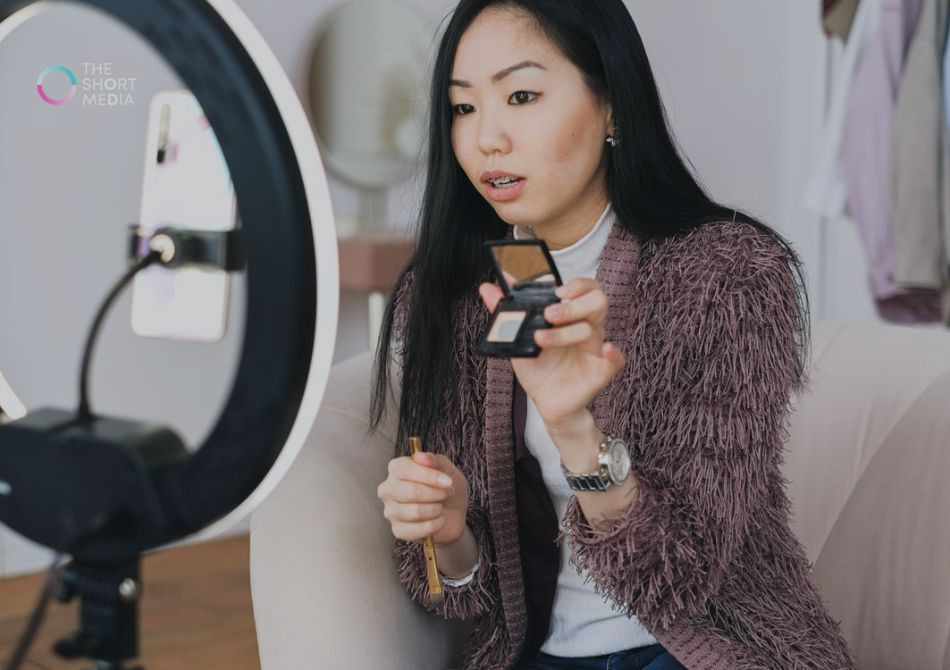
I’ve watched a founder spend $12,000 on polished vertical video, only to get outperformed by a shaky iPhone demo filmed next to a toaster.
That wasn’t a fluke. It happens all the time.
A lot of U.S. brands still come into TikTok expecting the same rules they use on Meta or YouTube: clean branding, tight scripts, obvious product shots, tidy campaign planning. Then they post, wait, and wonder why the comments are dead and the watch time falls off a cliff after two seconds. The platform has a way of exposing stuff that feels overworked.
That’s why tiktok digital marketing is less about “being on trend” and more about understanding how people actually behave in-feed. They scroll fast, they can smell a script, and they’ll tell you exactly what your landing page forgot to explain. Sometimes brutally.
If you’re working with a beauty brand, a local med spa, a protein snack company, an Amazon product, or a home organizer trying to break into U.S. retail, the same basic truth keeps showing up: the brands that win on TikTok usually stop trying to look like ads first.
What usually goes wrong with tiktok digital marketing
The most common mistake? Treating TikTok like a place to repost campaign assets.
I’ve seen skincare brands cut down a glossy commercial into 15 seconds and call it a TikTok strategy. It looked expensive. It also looked like an ad from frame one, which meant people swiped right past it. Meanwhile, a creator in her bathroom saying, “I didn’t think this moisturizer would do much, but look at this,” drove saves, comments, and a much better click-through rate.
That’s the part people miss with tiktok digital marketing. The format matters, sure, but the bigger issue is posture. If your content enters the feed trying too hard to announce itself, it usually loses.
For U.S. brands, especially, there’s a temptation to over-control everything. Legal wants approved language. Brand wants consistency. Paid social wants clean hooks. The result is often a creator reading a script a little too perfectly, with just enough stiffness to kill the whole thing.
And then everyone blames TikTok.
The digital marketing tiktok teams get right
The stronger digital marketing tiktok teams usually build around raw material, not one hero concept.
They don’t ask for one video. They ask for ten angles.
A food brand might test:
– a “late-night snack” use case
– a Costco-style haul framing
– a macro-focused fitness angle
– a price comparison against takeout
– a creator saying their kids stole the whole bag
Not every version needs to be brilliant. It just needs a clear reason to exist.
I worked on a home product launch where the studio footage was fine, very catalog, very safe. But the top performer was a kitchen clip with bad overhead lighting where someone showed how the organizer stopped a drawer from jamming. That tiny annoyance was more persuasive than all the lifestyle footage. People in the comments started tagging spouses. That’s usually a good sign.
Good digital marketing tiktok work tends to start with friction:
something annoying, expensive, messy, embarrassing, time-wasting, hard to clean, hard to store, hard to explain.
That gives the video somewhere to go.
Stop chasing trends two weeks late
A lot of brands in the USA are still joining trends after they’ve already been flattened by 800 copycats and three agency decks.
You can feel it when it happens. The sound is familiar, the edit pattern is stale, and the brand account shows up with the energy of a substitute teacher trying slang. Not great.
Using trends in tiktok digital marketing can help, but only when the trend actually fits the product and the timing is still alive. If you’re a local service business, for example, a fast reaction video from a dentist, realtor, or HVAC company can work because it feels immediate. If your approval chain takes nine days, skip it. Build around recurring content formats instead.
A few formats that hold up better than trend-chasing:
The “here’s what happened when we tried it” angle
This works well for beauty, cleaning products, supplements, kitchen tools, and Amazon finds. It gives you built-in narrative without sounding too polished.
The objection-first opening
Comments are gold for this. If people keep asking, “How big is it really?” or “Does this work on textured hair?” or “Will this fit under an apartment sink?” — that’s your next video.
A lot of digital marketing tiktok strategy gets better once the team starts mining comments instead of guessing in a conference room.
The side-by-side demo that isn’t overproduced
Not fake messy. Real messy. A countertop, a car seat, a gym bag, a bathroom shelf. Product demos filmed in places where people actually use the thing often beat clean studio edits. I wish more brands would accept that.
Where tiktok ads for business actually fit
Organic and paid shouldn’t be treated like separate planets. The smartest teams use organic to spot what earns attention, then push spend behind the versions that hold up.
That’s where tiktok ads for business gets practical.
If a creator clip has strong watch time and comments from the right kind of buyer, that’s often a better starting point than a net-new ad concept built from scratch. Not always. But often enough that it should change how you brief creative.
For tiktok ads for business, I’d focus on three things first:
Hooks that sound like something a person would actually say
Not “Introducing the future of hydration.” Please don’t.
Try something closer to:
“I bought this because my pantry was a disaster.”
or
“I thought this was kind of dumb until I used it.”
That second one especially. It works because it carries a little resistance, which feels more believable.
Fast proof, not long setup
In tiktok ads for business, proof needs to show up early. If you’re selling a stain remover, show the stain. If it’s shapewear, show the fit. If it’s a local med spa promoting a treatment, show the texture, the room, the practitioner’s hands, the result timeline. Don’t spend six seconds warming up.
Creative volume over one “perfect” ad
This is where a lot of brands get stingy. They’ll spend on media but hesitate to make enough creative. Then they try to force one winner to carry the whole account.
Better approach: build batches. Different hooks, different creators, different levels of product awareness. tiktok ads for business usually improves when the team accepts that half the job is just making enough decent variations to learn something useful.
U.S. brands should care more about comments than vanity metrics
Views can flatter you a bit. Comments are where the real story starts.
I’ve seen a fitness brand get excited about a high-view video, but the comments were full of people asking if the product caused stomach issues. The sales page barely addressed ingredients. That wasn’t a creative problem. It was messaging and conversion friction showing up in public.
For tiktok digital marketing, comments often reveal:
– pricing resistance
– confusion about sizing
– skepticism about claims
– shipping concerns
– the exact language customers use when they describe the problem
That’s valuable well beyond TikTok. Email, PDP copy, Amazon listings, retail sell sheets — all of it gets sharper when you listen there.
And if you’re running tiktok ads for business, comments need moderation. Not because every negative remark is dangerous, but because unanswered objections pile up fast.
Creator content works better when you stop over-directing it
Some brands are still giving creators mini movie scripts. You can always tell. The pacing gets weird, the phrasing gets too clean, and the whole thing sounds like someone trying to remember line three.
A better brief for digital marketing tiktok work is usually looser:
here’s the product,
here’s the buyer,
here’s what they’re skeptical about,
here’s what has to be accurate,
here’s what’s worked before,
don’t say it like a commercial.
That last part matters.
For tiktok ads for business, creator selection also matters more than follower count in a lot of cases. A mid-sized U.S. creator who naturally fits the category — a mom who actually posts pantry resets, a trainer who already talks about recovery, an esthetician who knows how to explain texture and finish — will usually outperform a generic lifestyle creator reading approved copy.
A smarter way to test digital marketing tiktok campaigns
If I were setting up a fresh digital marketing tiktok plan for a U.S. brand, I wouldn’t start with a giant quarterly content calendar. I’d start smaller and messier.
Test a few content buckets:
– problem/solution demos
– objection handling
– creator testimonials
– “day in the life” product use
– comparison content
– comment replies turned into videos
Then look at hold rate, click-through, saves, comments, and what kind of comments you’re getting. Not just volume. Quality.
That’s usually where digital marketing tiktok starts to become useful instead of noisy.
And yes, use tiktok ads for business once you find signals. But don’t expect media buying to rescue weak creative. It rarely does.
FAQs
1. How often should a brand post on TikTok?
More often than most teams are comfortable with, honestly. Three to five times a week is a solid starting point for many brands, but the real issue is whether you have enough creative variety. Posting daily with the same angle gets old fast.
2. Do polished brand videos ever work on TikTok?
They can. Retail launches, fashion drops, and some beauty campaigns can do well with cleaner production. But if every frame looks expensive and nothing feels observed or specific, performance usually softens pretty quickly.
3. Is TikTok only useful for Gen Z?
Not really. I’ve seen home organization, cookware, supplements, and local service businesses pull strong results with older audiences in the U.S. The creative just needs to match how those buyers talk and shop.
4. How much should you spend on tiktok ads for business at the start?
Start with a test budget you can actually learn from, not a token amount. If you only spend enough to confirm your own assumptions, you won’t get much. Even a modest test works better when it includes multiple creatives instead of one “big” ad.
5. Should brands use influencers or make content in-house?
Usually both. In-house content is faster for testing product angles, and creators bring trust, pacing, and category fluency you can’t fake. The mix matters more than picking one camp.
6. What’s the biggest creative mistake you see?
Overwriting. A creator gets a script with every selling point stuffed into 20 seconds, and suddenly they sound like a customer service chatbot. Trim it down. Let them talk like themselves.
7. Can local businesses use TikTok effectively?
Absolutely, especially if they show real work. Dentists, med spas, gyms, salons, even pressure washing companies can do well when they show process, before-and-after context, and common customer concerns. People don’t need a cinematic trailer for a root canal consult.
8. How do you know if a TikTok video is worth turning into an ad?
Look past views. If people watch long enough, click, save, or ask buying questions in the comments, that’s a useful sign. A video with lower reach but stronger intent is often the better candidate for paid.
9. Does every brand need to participate in trends?
No, and some really shouldn’t. If your team is always late or the trend has nothing to do with the product, it’ll feel awkward. A repeatable content format usually ages better.