

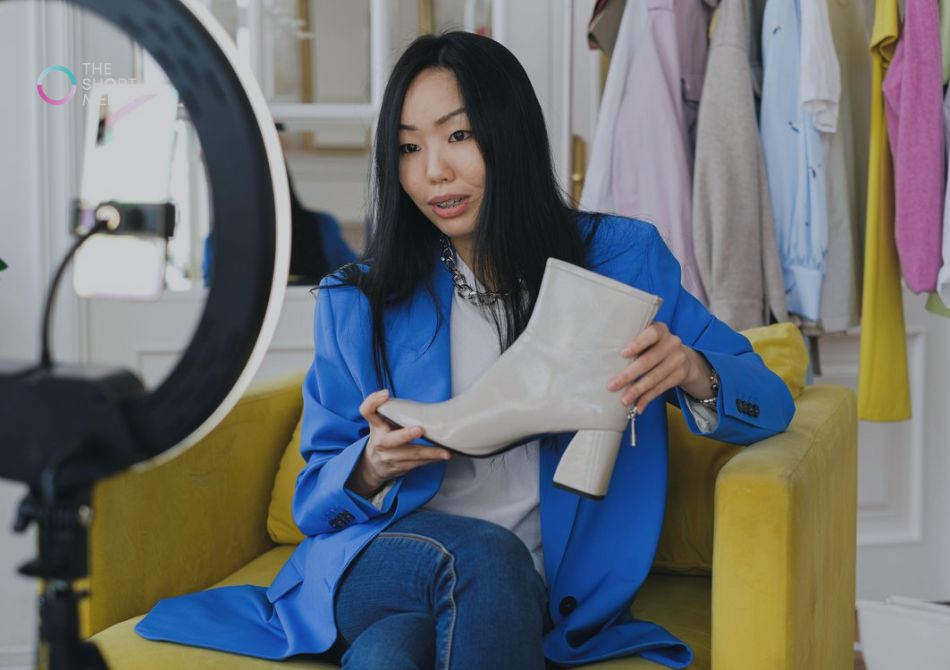
A few months ago, I watched a decent skincare brand burn through a pile of budget on TikTok Shop with almost nothing to show for it. The product was good. The margins were fine. They even had creators posting consistently. But the videos felt stiff, the offer was buried, and the comments were full of questions the team hadn’t planned for: *Is this for sensitive skin? Why is shipping taking so long? Is this different from the Amazon version?* Nobody was really connecting the dots.
That’s usually where things start to break.
Selling through TikTok Shop in the US isn’t just about listing products and hoping a few affiliates pick them up. It’s operations, creator management, content testing, offer design, paid support, inventory pressure, comment mining, and a lot of fast decisions. That’s why tiktok shop agency partners matter more than many brands expect. They’re not there just to “run campaigns.” The good ones help make the whole channel actually work.
TikTok Shop looks simple from the outside. It isn’t.
From a distance, TikTok Shop can look pretty straightforward: get products live, recruit creators, post videos, maybe add Spark Ads, and watch orders come in.
In practice, it gets messy fast.
A beauty brand might have strong conversion on creator content, but then fulfillment slips and comment sentiment tanks. A food brand might get a burst of sales from one viral clip, then struggle to repeat it because nobody documented what actually drove that lift. A home products company might have plenty of content, but it’s all shot too clean, too polished, too ad-like. I’ve seen a product demo filmed on a cluttered kitchen counter beat a studio version by a mile because it felt believable and answered the objection right away.
That’s where tiktok shop agency partners earn their keep. They bring structure to a channel that punishes slow teams and generic creative.
What experienced partners actually fix
A lot of internal teams assume they mainly need help with creator outreach. Sometimes that’s true. Usually it’s only part of the problem.
Strong partners look at the full sales loop. Not just the top of funnel. They’ll pressure-test your product pages, creator briefs, pricing, bundles, affiliate incentives, ad amplification, and post-purchase issues. If your comments are full of “does this work on textured hair?” or “how big is this in real life?” and your content never answers it, that’s not a creative problem alone. That’s a merchandising and messaging problem.
Good agencies catch that stuff early.
They also know that tiktok shop services shouldn’t be treated like a bolt-on to your regular paid social setup. TikTok Shop has its own pace, its own content rhythm, and honestly, its own kind of chaos. Teams that treat it like Meta with shorter videos usually waste time.
Why your tiktok shop marketing strategy needs a real operator
This is the part brands often underestimate. A real tiktok shop marketing strategy isn’t just “work with creators and boost the winners.” That sounds tidy on a slide, but it falls apart once you’re dealing with actual inventory, creator quality, shipping windows, promo timing, and content fatigue.
The strongest agencies build a tiktok shop marketing strategy around how people actually buy on the platform. That means:
– matching creators to product use cases, not just follower count
– testing hooks that deal with skepticism early
– building offers people can understand in two seconds
– feeding paid media with content that already has proof in organic or affiliate performance
– watching comments like they’re a customer research channel, because they are
I’ve seen comments do more for conversion strategy than some expensive brand workshops. A fitness recovery product kept getting “does this actually get hot enough?” under creator videos. The landing page never addressed it clearly. Once the team started opening with a temperature demo, conversions improved. Not because of some big rebrand. Just because they listened.
That’s a practical tiktok shop marketing strategy. Not a pretty one. A useful one.
The creator piece is harder than it looks
A lot of brands think volume solves everything. Send out 300 samples, get 80 videos back, and eventually something hits.
Sometimes. But plenty of those videos are unusable.
A creator reading a script too perfectly can kill performance. So can a founder who insists on brand language nobody would ever say out loud. I’ve had teams push phrases like “clinically crafted wellness support” into creator briefs for a gummy supplement. You can guess how that went.
Experienced tiktok shop agency partners know how to brief creators without draining the life out of the content. They know when to give structure and when to back off. They also know that different categories need different approaches. A beauty product might need shade-match proof. A food item might need a taste reaction that doesn’t feel forced. A cleaning product often needs a gross-before, satisfying-after moment. Local service brands testing TikTok Shop-adjacent offers, yes, even they need content that feels native instead of repurposed from Instagram.
That’s part of why tiktok shop services are valuable when they’re done by people who’ve actually been in the weeds.
Paid media still matters, but only if the foundation is right
There’s a weird habit some teams have where they try to spend their way past weak content. It rarely works for long.
Paid can absolutely help scale a winner. It can also help stabilize sales when affiliate output is inconsistent. But if the product page is thin, the offer is vague, and the videos don’t answer obvious objections, your CAC won’t magically improve because you launched more ads.
A solid tiktok shop marketing strategy connects paid and organic tightly. The agency should be looking at what affiliates are posting, what’s converting from live shopping, what comments keep repeating, and which hooks hold attention in the first three seconds. Then they turn that into ad testing. Not from scratch every week, either. From patterns.
This is one of the most useful parts of tiktok shop services when they’re handled well: the feedback loop gets shorter. Creative insights move faster. Product issues surface earlier. You stop guessing so much.
US brands have extra complexity, and that matters
For brands selling in the USA, TikTok Shop often sits in the middle of a messy stack: DTC site, Amazon, retail launch plans, influencer seeding, and maybe Walmart or Target conversations happening in the background.
That creates tension.
If your TikTok Shop price undercuts Amazon too aggressively, you can stir up channel conflict. If your retail buyer sees chaotic discounting, that can become a problem. If a product goes viral and your 3PL can’t keep up, the comments get ugly fast, and ugly comments don’t stay contained.
This is another reason tiktok shop agency partners are useful. The better ones don’t look at the platform in isolation. They think about how TikTok Shop fits into the rest of your e-commerce business. A home organization brand, for example, may use TikTok Shop to prove demand before a retail push. A CPG snack brand might use it to test bundles and flavor positioning before putting money behind a larger launch. An Amazon-heavy brand might use TikTok Shop to build creator-led demand it can’t really get from marketplace listings alone.
That kind of planning is a lot more valuable than random posting.
Not all tiktok shop services are equal
Some agencies say they offer tiktok shop services, but what they really mean is they’ll send outreach emails, manage a spreadsheet, and ask for more product samples.
That’s not enough anymore.
Useful tiktok shop services usually include a mix of affiliate recruitment, creator sourcing, content briefing, ad coordination, offer testing, product page optimization, reporting that actually means something, and operational troubleshooting. If the agency never talks about shipping experience, promo calendar planning, or comment themes, they’re probably missing half the job.
And if they can’t explain why one creator sold 400 units while another with a bigger audience sold 12, I’d be careful.
A strong tiktok shop marketing strategy depends on that level of analysis. Otherwise you’re just collecting activity and calling it growth.
The real value is speed, pattern recognition, and less wasted motion
That’s probably the simplest way to say it.
Good tiktok shop agency partners help brands move faster without getting sloppy. They’ve seen the same problems before: a trend joined two weeks too late, a bundle nobody could understand, a hero SKU with weak hooks, creators over-briefed into boredom, promos launched without enough inventory, comments exposing objections the sales page ignored.
When you have people around who can spot those patterns early, you waste less money. You also waste fewer weeks. And on TikTok Shop, weeks matter. Momentum disappears quickly.
If your team already has strong internal operators, maybe you don’t need a massive agency relationship. Fair. But most brands still need someone who’s focused on the channel every day, not just checking in between Meta meetings and email calendar reviews.
That’s really why tiktok shop agency partners are so important. They don’t just add execution. They add judgment. For a platform that moves this fast, that’s usually the difference between a short spike and a channel that keeps producing.
FAQs
1. What do TikTok Shop agency partners actually do day to day?
Usually a mix of creator outreach, affiliate management, content review, product page feedback, promo planning, and performance analysis. The good ones are also in the comments, looking for friction points and spotting trends before they become obvious in the dashboard.
2. Are TikTok Shop agencies only useful for big brands?
Not really. Smaller DTC brands can benefit a lot, especially if the founder is trying to handle paid social, email, inventory, and creator management at the same time. That setup gets messy fast.
3. How is a TikTok Shop marketing strategy different from regular TikTok ads?
Shop strategy has to account for affiliate behavior, creator output, product page conversion, offers, and operational issues. It’s closer to running a storefront plus a media program at once. Regular ad management alone won’t cover that.
4. What should brands look for in tiktok shop services?
Look for specifics. Ask how they recruit creators, how they brief them, what they do when content quality drops, how they support paid, and how they handle product-page issues. If the answer is mostly vague “growth” language, keep looking.
5. Can a brand run TikTok Shop in-house instead?
Sure, if you’ve got the right people and enough time. But in-house teams often get stretched thin, and TikTok Shop has a habit of exposing bandwidth problems pretty quickly.
6. How long does it take to see results?
Sometimes a few weeks, sometimes longer. If the product-market fit is there and the offer is strong, you can get traction quickly. If the content is off or fulfillment is shaky, no agency is fixing that overnight.
7. Do you need a lot of creators to make TikTok Shop work?
Not always. Ten creators who actually fit the product can outperform a giant seeding list full of random accounts. I’d take stronger fit over more samples almost every time.
8. Are TikTok Shop services worth it for Amazon sellers?
Often, yes. Especially for brands that already know the product converts but need more demand generation and more native-feeling content. TikTok Shop can also surface objections and use cases that help your Amazon listing, oddly enough.
9. What’s the most common mistake brands make?
Over-controlling the creative. Close second: treating TikTok Shop like just another ad channel. It’s a sales channel, a creator program, a merchandising problem, and a customer feedback loop all jammed together. That’s why it gets weird.