

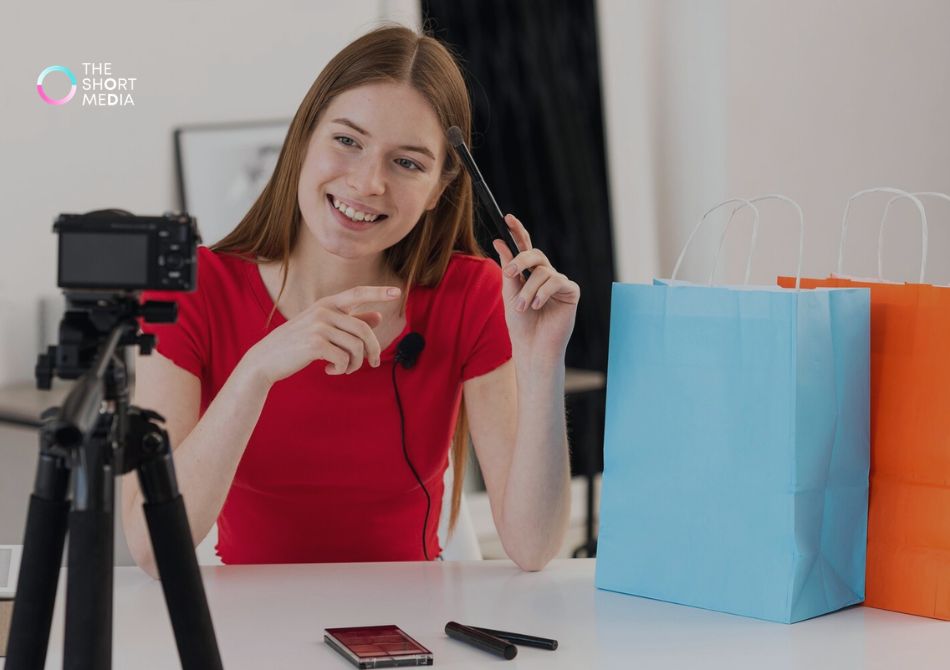
I’ve seen this happen more than once: a brand spends three weeks approving a TikTok concept, finally gets the video posted, and by then the sound is old, the joke feels stale, and the comments are full of people saying some version of “why is this ad trying so hard?” Not because the product was bad. Usually because the process was.
That’s the gap a good tik tok marketing agency is supposed to close.
Not by tossing trendy words into a deck. By actually understanding how TikTok behaves in the U.S. market, where a home cleaning product can take off because someone filmed it on a scratched-up kitchen counter, while a polished studio shoot gets ignored. The agencies that do well here usually aren’t the ones with the fanciest pitch. They’re the ones that know how to move fast, read comments properly, work with creators who don’t sound like they’re reading from cue cards, and connect content to sales without making every video feel like a hard sell.
What a strong tik tok marketing agency actually does differently
A lot of brands assume TikTok is just another paid social channel with a younger audience. That’s usually where things start going sideways.
A strong tik tok marketing agency doesn’t treat TikTok like Meta with trending audio. It builds around platform behavior. That means understanding why a beauty tutorial shot in a bathroom mirror can outperform a campaign with a $20,000 production budget. It means knowing that a snack brand in the U.S. might get better traction from a creator doing a late-night taste test in their car than from a polished lifestyle montage.
The better agencies also know that tiktok digital marketing isn’t one department. It’s creative strategy, creator sourcing, paid media, comment mining, offer testing, landing-page alignment, retail timing, and a lot of iteration that doesn’t look glamorous from the outside.
And honestly, some agencies still don’t get that. They’re good at making reports. Less good at making content people finish watching.
The best agencies don’t chase trends blindly
This is where weaker teams get exposed.
A mediocre tiktok marketing company sees a trend and tells every client to jump on it. A better one asks whether the trend fits the product, the audience, and the timing. There’s a difference between participating in platform culture and showing up two weeks late wearing the wrong outfit.
I worked with a food brand that wanted to force itself into a comedy format that was already cooling off. The videos looked fine, but fine is not enough on TikTok. We shifted to quick recipe-style demos with messier framing, stronger hooks, and actual customer objections built into the script. Watch time improved. So did conversion rate. The comments were more useful too—people started asking where to buy it near them, which helped support a retail launch at Target.
That’s the kind of practical adjustment a smart tiktok marketing company makes. Not “be more authentic.” Specific changes. Different opening line. Tighter edit. Better creator fit. Less brand voice, more human voice.
Why creator selection matters more than most brands think
A lot of U.S. brands still overvalue follower count.
It’s understandable, but it’s usually the wrong place to focus. The strongest tiktok digital marketing programs are built around creators who can hold attention and make a product feel normal in their hands. Not just creators with a big audience.
You can see it immediately when the fit is off. The creator reads the script too perfectly. The product mention lands like a legal disclaimer. The comments turn into “this is obviously sponsored” instead of actual purchase questions.
A good tik tok marketing agency spends real time on creator matching. For a fitness brand, that might mean finding someone who films in a garage gym, not a glossy influencer with generic wellness content. For a home product on Amazon, it might be a mom creator in Ohio showing how she actually uses the item in a cluttered pantry. For a local service business in the U.S.—say med spas, dental groups, or HVAC franchises—it could be a staff member or local micro-creator who already talks like the neighborhood.
That kind of nuance matters. A lot.
The paid side is where many campaigns either scale or stall
Organic content gets the attention, but paid distribution is usually where the serious growth happens. And this is where a seasoned tiktok marketing company earns its fee.
Not by boosting random posts and calling it strategy.
The agencies that scale brands well on TikTok tend to build creative volume first. They test multiple hooks, multiple creator faces, different lengths, different offers. Then they use the winners in paid. If a team only has two polished ads and both are precious, they’re going to struggle. TikTok needs more swings than that.
This is especially true in tiktok digital marketing for DTC brands and Amazon sellers. A product demo filmed in a real kitchen, with slightly uneven lighting and a blunt first line, can beat a slick ad because it gets to the point faster. I’ve seen a home gadget brand pull stronger click-through rates from a video that looked almost accidental than from the “hero” asset their internal team loved.
Not every rough video wins, obviously. “Raw” is not a strategy by itself. But overproduced content often creates distance, and TikTok punishes distance pretty quickly.
Comments are research, not just moderation work
This gets ignored way too often.
A strong tiktok marketing company doesn’t just hide negative comments and move on. It studies them. Comments tell you where the friction is. Price objections. Confusion about sizing. Skepticism about whether the product actually works. Questions about ingredients, shipping, shade match, assembly time, store availability.
For tiktok digital marketing, that feedback loop is gold. I’ve seen comments reveal holes the sales page completely missed. A beauty brand kept getting asked whether a product worked on mature skin, even though the brand thought that point was obvious. It wasn’t. Once creators started addressing it directly in the first few seconds, performance improved.
The same thing happens with food, supplements, pet products, even local services. People will tell you exactly what feels unclear or suspicious. You just have to read past the sarcasm.
U.S. agencies that win usually move faster than the brand is comfortable with
That’s probably the least glamorous secret.
The best tik tok marketing agency teams are fast. Not sloppy. Fast. They don’t spend ten days debating whether a creator can say “honestly” in the hook. They know that if a trend, product angle, or retail moment is worth testing, it has a short shelf life.
This is especially important in the U.S. market where brands are often juggling e-commerce, Amazon, retail launches, and seasonal promos all at once. A snack brand getting shelf space at Walmart needs content timed around store discovery. A beauty brand launching into Ulta needs creators who can film in-store without making it feel like a corporate announcement. A local service brand might need geo-specific creative that sounds like an actual person from Phoenix or Atlanta, not a national script with city names swapped in.
That kind of execution takes more than enthusiasm. It takes systems.
The agencies worth hiring usually push back a little
If an agency agrees with every idea a client has, I get nervous.
A real tik tok marketing agency should challenge weak creative, unrealistic timelines, and scripts that sound like they were approved by six stakeholders and enjoyed by none of them. Some of the best agency-client relationships I’ve seen had a little friction in them. Useful friction.
Because good tiktok digital marketing work often means telling a brand that their logo doesn’t need to appear in the first second, or that their founder’s favorite phrase sounds unnatural, or that the campaign concept is too polished to feel believable.
Not every client loves hearing that. The smart ones usually do, eventually.
What to look for in a tiktok marketing company
You can tell a lot from the questions an agency asks early on.
A good tiktok marketing company will want to know:
– what comments customers already leave on ads and product pages
– whether the product has repeat purchase behavior
– what retail or Amazon timing matters
– which creators have already worked, even if imperfectly
– what internal approval bottlenecks tend to slow content down
They’ll also show you creative examples that don’t all look the same. That’s a big one. If every ad in their portfolio has the same pacing, same hook style, same creator type, you’re not looking at a team with range.
And if they talk about tiktok digital marketing like it’s mostly about posting frequency, I’d keep looking.
FAQ
1. What makes a TikTok agency successful in the U.S. specifically?
Usually, it’s their ability to work with American consumer behavior in a very practical way. Retail timing, regional creator fit, comment language, promo cycles, even how people talk about products in different categories—it all matters more than a generic “viral” strategy.
2. Should a brand hire a tik tok marketing agency or build in-house?
Depends on speed and internal talent. If your team already has strong creative instincts, creator relationships, and paid media support, in-house can work. If approvals are slow and nobody really understands platform-native content yet, an agency can save a lot of wasted spend.
3. How much does a tiktok marketing company usually cost?
There’s a wide range. Smaller engagements might start in the low thousands per month for content support, while full-service retainers with paid media, creator management, and strategy can get much higher. Cheap isn’t always a bargain here. If the creative misses, media spend disappears fast.
4. Does organic posting need to happen before paid ads?
Not always. But testing content organically can give you useful signals before you put real budget behind it. Sometimes a decent organic post becomes a strong paid ad. Sometimes it flops organically and still works in paid with a better hook. It’s not a religion.
5. What kinds of brands tend to do well with tiktok digital marketing?
Beauty, food, home products, fitness, personal care, pet brands, and useful little Amazon products tend to have an easier time because they demo well. That said, I’ve also seen local service businesses do surprisingly well when the content feels local and not overly scripted.
6. How many creators should a brand test at once?
More than most brands think, fewer than some agencies promise. Five to ten is often a solid starting range for early testing, assuming the briefs are actually different and not just copies of the same script.
7. What’s a red flag when hiring a tiktok marketing company?
If they can’t explain why a piece of content worked beyond “it was authentic,” that’s a problem. Same if they only show polished case studies with no details on testing volume, creator turnover, or what had to be changed when the first round didn’t land.
8. Can TikTok work for local U.S. businesses?
It can, especially if the business has visually demonstrable work or a personality people can connect with. Dentists, med spas, gyms, realtors, restaurants, even plumbers sometimes do well—though yes, some of those videos are a little chaotic. That’s part of the charm.