

A few months ago, I watched a beauty brand spend real money on a polished launch video for TikTok. Nice lighting. Clean edit. Founder on camera. It looked expensive in the slightly obvious way expensive social content often does. It barely moved.
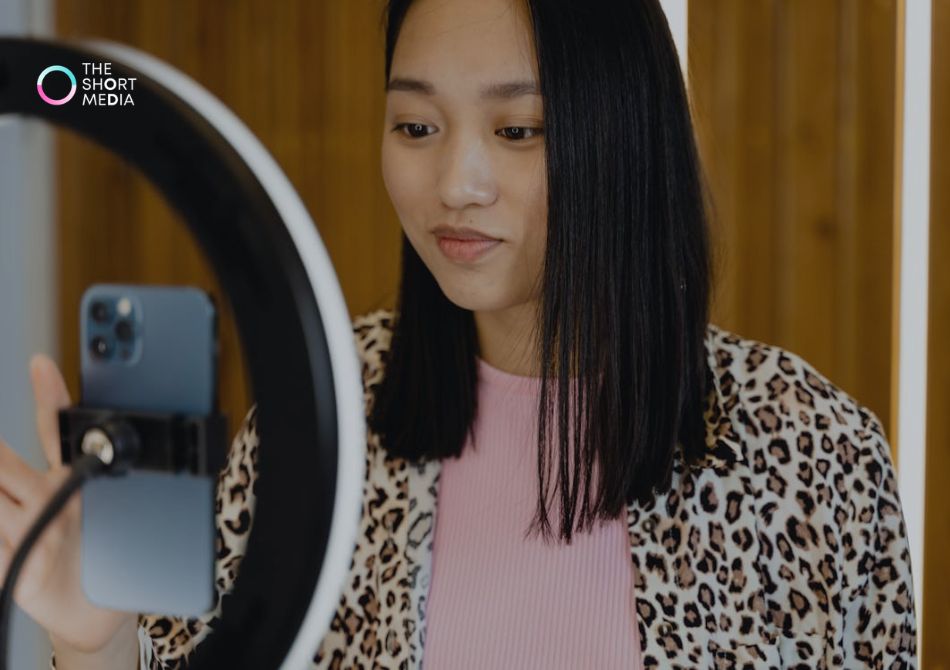
Two days later, a creator posted a looser clip shot in her bathroom, half whispering because her kid was asleep in the next room, showing the same product texture on the back of her hand. Comments poured in. Questions about shade match, finish, shipping times, whether it pilled under sunscreen. Actual buying signals. The brand learned more from that one post than from three weeks of internal brainstorming.
That’s the thing. Attention on TikTok isn’t really handed out because a brand showed up with a campaign calendar and a clean set of assets. It’s earned in smaller, messier ways. Sometimes by being useful. Sometimes by being oddly specific. Sometimes by not sounding like a brand at all.
And that shift has made a lot of marketers uncomfortable.
Attention looks different now, and brands feel it
For years, most teams were trained to think about attention in fairly controlled terms: reach, frequency, polished creative, repeated messaging. There’s still a place for that. But TikTok has pushed a different kind of behavior into the mainstream, especially in the USA where consumer categories like beauty, food, fitness, and home products are all fighting for the same thumb-stopping second.
People don’t sit down and “receive” ads there in the old sense. They move fast. They decide fast too. A creator reading a script too perfectly can lose them in under two seconds. A product demo filmed in a kitchen, with a dog barking in the background, can hold them longer because it feels like someone actually uses the thing.
That’s why digital marketing tiktok strategies that copy Instagram pacing or TV ad logic usually feel off. Too slow. Too polished. Too certain of themselves.
I’ve seen food brands launch recipe content that looked like it came from a cable network set. Pretty, but dead. Then someone on the team films a quick lunch hack with the product, slightly messy counter and all, and suddenly comments start surfacing the exact objections the sales page missed: sodium concerns, portion size, whether kids would eat it, where to buy it besides Amazon.
That’s attention now. Not just views. Response.
What a good TikTok media agency actually understands
A strong tiktok media agency doesn’t just make content that “looks native.” That phrase gets abused. What matters is whether the agency understands how attention forms on the platform in the first place.
That means they know a retail launch needs different creative pressure than an evergreen DTC product. They know a local service business in Texas or Florida probably doesn’t need trend-chasing; it needs believable proof, fast context, and comments that sound like neighbors, not ad copy. They know an Amazon brand selling storage containers or supplements may need ten versions of a simple demo before one lands, because the first five are too broad and the next four explain the product instead of showing the reason to care.
A decent tiktok media agency also knows when not to overproduce. That sounds obvious, but teams still get this wrong all the time. Someone approves a concept, legal trims the language, brand softens the hook, and by the time the creator records it, every line sounds like it passed through six people. You can hear it. Viewers can too.
That’s where digital marketing tiktok work gets very practical. Less “big idea,” more pattern recognition. Which hooks are pulling comments from the right audience. Which creators can sell without sounding salesy. Which edits are killing retention in the first three seconds.
The old rules of persuasion don’t disappear, but they do get rearranged
TikTok didn’t erase marketing fundamentals. People still need a reason to care. Offers still matter. Product quality still matters a lot, actually. Bad products get exposed faster because comment sections are brutally efficient.
But the order has changed.
Instead of building toward credibility with a polished message, many brands have to start with immediacy. Show the result. Show the texture. Show the before-and-after, if it’s real and not weirdly overdone. Show the mess the product solves. Then earn the right to explain.
For digital marketing tiktok, this matters because teams often front-load context. They spend the opening line naming the brand, setting up the category, giving a mini mission statement. Meanwhile the viewer is gone.
A fitness brand in the US might get better results showing the resistance band slipping off someone’s knees during squats, then introducing their fix, rather than opening with “We created premium fitness accessories for women…” Nobody cares yet. They might in ten seconds. But not at the start.
Same with home products. A vacuum attachment brand doesn’t need a cinematic intro. It needs pet hair in a car seat and a clear payoff. A cookware brand doesn’t need founder philosophy first. It needs the pan heating evenly while someone says, casually, “Okay, this is why mine stopped sticking.”
That’s not anti-brand. It’s just a different sequence.
Why digital marketing TikTok teams can’t treat comments like leftovers
One of the more useful things about TikTok is that the audience often tells you what’s missing. Not in a clean report. In comments. In slightly repetitive questions. In skeptical little reactions.
This is where a lot of digital marketing tiktok programs either get sharper or stay mediocre.
A beauty brand sees “Does this work on textured skin?” show up 40 times. That’s not just engagement. That’s your next creative brief. A meal brand keeps getting “Looks good but is it actually filling?” Again, not just chatter. That’s a content angle, probably a creator brief, maybe even a landing page fix.
I’ve had clients discover their strongest conversion messaging in comments they almost ignored. One home cleaning product got dragged a bit, honestly, because people thought the demonstration looked fake. Fair enough. We refilmed it in a real apartment kitchen with bad overhead lighting and crumbs that didn’t look art-directed. Performance improved.
A seasoned tiktok media agency will usually build around this. Not just posting and reporting, but feeding comment language back into creative development, creator selection, paid testing, even PDP copy if the client is paying attention.
Trends help, but late trend-chasing is usually painful to watch
Most brands don’t need to force themselves into every trend. Please don’t. The worst TikTok content from companies tends to come from panic, not strategy. Someone sees a format working, then the brand joins two weeks too late with a version that feels HR-approved.
That’s not what digital marketing tiktok should look like.
Sometimes the better move is to borrow the pacing, the framing, or the style of reaction without copying the trend itself. A food brand can use the energy of “I didn’t expect this to be good” without trying to mimic a meme that’s already exhausted. A local med spa can use quick client POV storytelling without dancing around the office. There are levels to this.
A smart tiktok media agency usually protects brands from embarrassing themselves here. Or should.
Paid and organic are closer than most teams admit
On TikTok, the line between organic learning and paid scale is thinner than on a lot of other platforms. Not identical, but close enough that brands should stop treating them as separate planets.
A creator post with strong saves, comment quality, and watch time can become a paid asset. A paid test can reveal that the best-performing hook is something no one on the social team would’ve picked. Then that insight can shape the next round of organic.
That feedback loop is where digital marketing tiktok gets interesting. Also where many teams waste time, because they split creative, paid, influencer, and community into separate silos. Then everyone wonders why the learning is slow.
For a DTC skincare brand, that might mean the paid team discovers “shows up under makeup” outperforms “dewy finish.” The creator team should hear that immediately. For an Amazon kitchen product, maybe “dishwasher-safe” gets ignored but “fits in a small apartment drawer” drives clicks. That’s useful. Specific beats broad almost every time.
A TikTok media agency should be honest about what won’t work
This part gets skipped too often.
Not every product belongs on TikTok in the same way. Not every founder should be the face of the brand. Not every category needs a creator army. And not every client is ready for the volume of testing the platform usually demands.
A blunt tiktok media agency will say that. They’ll tell a brand when the script sounds like ad copy. They’ll push back when legal strips out every human phrase. They’ll explain why a retail brand needs store-level context in creative if the product is sold at Target, Ulta, or Walmart. They’ll probably annoy someone in the process. Good.
Because digital marketing tiktok isn’t really about “being on TikTok.” It’s about adapting to a place where attention is earned by relevance, speed, proof, and tone. Not by polish alone.
And honestly, that’s probably healthier for marketing teams than the old version. Harder, yes. Less controllable. Also more revealing.
If people don’t care, you find out quickly. If they do, they’ll tell you why.
FAQ
1. Do all brands need a TikTok strategy now?
Not in the same way. A national beauty brand, a local HVAC company, and an Amazon gadget seller shouldn’t be using the platform with the same expectations or content style. Some categories can get traction fast; others need more testing before it’s worth serious budget.
2. How do you know if TikTok content is actually working?
Views alone won’t tell you much. I’d look at hold rate, comment quality, saves, profile visits, click behavior, and whether the same objections keep showing up. If people are asking practical buying questions, that’s usually a better sign than a big view count with empty comments.
3. Is polished content always bad on TikTok?
Not always. It’s just easier for polished content to feel distant or over-rehearsed. If the creative still feels specific and believable, it can work fine. But when a creator sounds like they memorized every line five minutes before filming, you can feel the drop-off coming.
4. Should brands chase trends?
Only if the format genuinely fits the product and the team can move quickly. Otherwise it gets awkward fast. Borrowing platform behavior is often smarter than copying a trend word for word.
5. What does a tiktok media agency do that an internal team might miss?
Usually speed, testing volume, and pattern recognition. A good agency has seen enough creators, hooks, and ad structures to spot why something is underperforming. They also tend to be less emotionally attached to the brand’s favorite idea, which helps.
6. Can small businesses in the USA benefit from TikTok too?
Absolutely, but the content should match the business. A local dentist, med spa, realtor, or restaurant doesn’t need to act like a national DTC brand. They need credible proof, familiar context, and content that sounds like someone from the area would actually say it.
7. How many videos does it usually take to find a winner?
More than most teams want to hear. Sometimes it’s three. Sometimes it’s thirty. A lot depends on whether the product has a clear visual payoff and whether the first batch of creative actually tests different angles instead of repeating the same script with tiny edits.
8. What’s the biggest mistake brands make with digital marketing tiktok?
Treating it like a distribution channel instead of a feedback system. They post finished messaging instead of using the platform to learn what people care about, what they doubt, and what kind of proof they need before clicking.
9. Do creators matter more than the brand account?
Sometimes yes, sometimes not. For products that need trust or demonstration, creators often do the heavy lifting. But a brand account can still become valuable if it develops a consistent voice and stops sounding like every caption went through legal twice.