

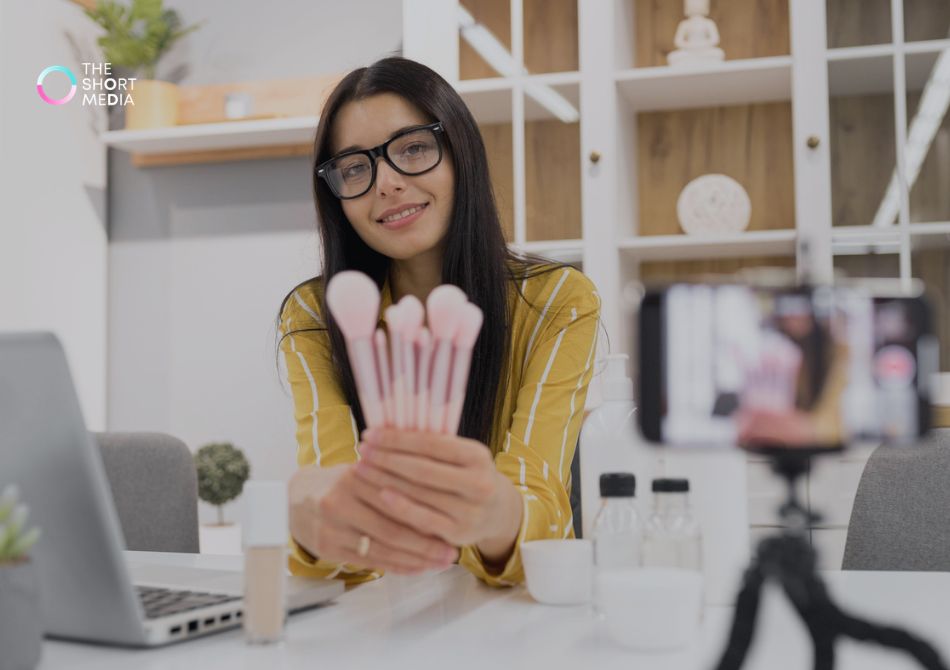
A couple years ago, I sat in on a creator review call for a mid-sized beauty brand in the US. The team had pulled in a handful of TikTok creators, spent decent money, got a spike in views, and then… kind of stared at the dashboard. Sales moved, but not in a clean line. Comments were full of useful stuff nobody had planned to measure. One creator had great reach but brought in the wrong audience. Another had lower views, filmed a quick demo in her apartment bathroom, and quietly drove the strongest add-to-cart rate of the whole batch.
That’s basically where a lot of brands were with TikTok for a while. They knew something was working. They just couldn’t always explain *what* was working, or repeat it without guessing.
By 2026, that guesswork is shrinking. Not gone, because TikTok is still TikTok and human behavior is messy. But tiktok influencer marketing is a lot more measurable now than it used to be, and that’s changed how brands budget, brief creators, and decide who they actually want to work with.
The old way: vibes, vanity metrics, and a lot of optimism
For a stretch, plenty of campaigns were built on screenshots and hope. A creator had strong views, maybe a nice aesthetic, maybe a few comments saying “need this,” and that was enough to move forward.
Sometimes it worked. Sometimes it really didn’t.
The problem wasn’t creators. It was the way brands evaluated performance. Too many teams looked at follower count, average views, and maybe engagement rate, then treated those as proxies for business impact. That’s thin. Especially for US brands selling actual products with real margins, whether that’s a protein powder on Amazon, a $14 lip oil at Target, or a cleaning tool sold through a DTC storefront.
Now, more teams are connecting creator content to:
– hold rate and watch-through behavior
– click patterns by creative angle
– promo code usage by audience segment
– landing page conversion by creator
– comment themes that point to objections
– repeat purchase behavior after first exposure
That shift matters. It’s one reason tiktok agency partnerships have become more valuable than they were when the job was mostly “find creators and negotiate rates.”
Data got better, but so did the people reading it
A lot of this isn’t just platform reporting. It’s operational maturity.
In 2026, the stronger paid social and influencer teams aren’t treating TikTok creator content as some separate, fuzzy brand-awareness bucket. They’re folding it into broader performance analysis. That means Spark Ads data gets compared against UGC ad variants. Creator whitelisting gets measured against house-made creative. Organic post behavior informs paid testing. Comments get tagged and fed back into landing page copy.
That’s where tiktok agency partnerships tend to earn their keep. Not because agencies magically know the algorithm better, but because the good ones have systems. They know how to compare creators against each other without flattening everything into CPM. They know that a food creator who gets people saving a recipe video may not be the same person you want for immediate conversion on a snack launch at Walmart.
And honestly, they’re often better at spotting bad fits early. You can usually tell when a creator is reading a script too perfectly. The video looks fine. The numbers don’t.
TikTok briefs are less about “say this” and more about testing angles
This is one of the biggest changes I’ve seen.
Brands used to hand creators stiff talking points and then wonder why the content felt dead on arrival. It had the product name, the claim, the CTA. It also had no pulse. The creator sounded like customer service with ring lights.
Now the briefing process is more structured, but weirdly more flexible. Better teams are testing variables on purpose:
What hook style gets the right viewer to stop?
A home product brand might test:
– problem-first hooks
– “Amazon made me buy it” style framing
– direct demo openings
– comment-reply formats
The point isn’t just to get a view. It’s to see which opening pulls in the audience that actually converts.
Which creator context makes the product believable?
A kitchen gadget filmed in an actual kitchen often beats polished studio footage. Not always. But often enough that it stopped being a cute creative opinion and started showing up in performance data.
For beauty, I’ve seen “getting ready late for dinner” content outperform cleaner tutorial formats because it felt less rehearsed and surfaced better use-case urgency. For fitness, creators who showed how they actually mixed a supplement after a workout tended to outperform those doing generic wellness talking points in bright white gyms.
That’s why tiktok agency partnerships now involve more testing architecture than many brands expect. It’s not just talent sourcing. It’s angle mapping, audience matching, and post-launch readouts that are useful enough to inform the next round.
Attribution isn’t perfect, but it’s less fuzzy than it used to be
Nobody serious should pretend TikTok attribution is neat. It isn’t. A person may see a creator talk about a heatless curling set, ignore it, get retargeted later, search on Amazon, read reviews, then buy three days after that. Good luck assigning that to one touchpoint and calling it done.
Still, the tracking stack is much better than it was.
US brands in 2026 are combining platform data with:
– first-party site analytics
– affiliate links
– creator-specific landing pages
– post-purchase surveys
– retail lift analysis
– Amazon attribution tools
– MMM or blended measurement models for larger spends
That’s made tiktok influencer marketing easier to defend internally. The CMO doesn’t have to accept “well, the comments looked excited” as a reporting framework anymore.
And comments, by the way, still matter. Just not as a standalone success metric. They’re often better as research. I’ve seen comments reveal price resistance, shade confusion, ingredient concerns, sizing issues, and shipping anxiety that the product page barely addressed. Smart teams fold that back into creative and merchandising.
Why tiktok agency partnerships matter more now
There was a period when some brands thought they could fully in-house creator work with one social manager, a spreadsheet, and a lot of caffeine. For a small program, maybe. For a serious one, it gets messy fast.
The reason tiktok agency partnerships are more important in 2026 isn’t that brands can’t find creators on their own. It’s that the work now requires tighter analysis and faster iteration.
A good partner helps with:
Creator selection based on actual fit, not just reach
A regional food chain in the USA launching a limited-time menu item needs local relevance, not broad national lifestyle reach. A Dallas creator who reliably drives comments from local followers may be more useful than a bigger creator with a scattered audience.
Performance sorting after launch
Not every creator should be judged on the same benchmark. A retail awareness push, an Amazon conversion campaign, and a local service lead-gen test all need different scorecards.
Creative feedback that doesn’t ruin the next round
Bad creator feedback is usually too vague. “Make it more engaging.” “Show the product sooner.” “Be more authentic.” None of that helps.
Good feedback is specific: your strongest retention came when you opened with the mess before the cleaning demo; the voiceover felt too scripted after the first 8 seconds; the comments suggest people don’t understand size dimensions, so show it next to a common object.
That level of detail is where tiktok agency partnerships have gotten sharper.
The paid media team and influencer team finally started talking
This sounds minor, but it’s been a real issue.
For years, some brands had influencer sitting under PR or social, while paid media was off doing its own thing. The result: creators made content, paid teams ran ads, and nobody really shared learnings. That separation wasted a lot of money.
In 2026, the better operators treat creator content as part of the same creative system. If a creator’s organic video gets strong saves and comments but weak clicks, maybe it’s top-funnel. If another piece gets average engagement but crushes thumb-stop and CVR when boosted, that’s a performance asset. Different jobs. Still useful.
This is another place where tiktok influencer marketing has become more data-driven. Teams are no longer asking, “Did this creator post do well?” They’re asking, “What role did this asset play, with which audience, under what distribution setup?”
That’s a much better question.
More brands are building creator rosters, not one-off stunts
One-off creator buys still happen, especially around product launches. But the smarter brands are building repeat relationships and tracking them over time.
That matters because creator performance is rarely stable in a simple way. A creator who underperforms on a cold audience launch might do very well once the market has more awareness. Another might be great for seasonal pushes but weak for evergreen sales. You learn that only by keeping records and comparing patterns.
This longer view has made tiktok agency partnerships more strategic. Agencies aren’t just filling campaign slots. They’re helping brands build a bench of creators by category, region, audience type, and creative style.
And yes, there’s still instinct involved. There should be. But now it’s instinct backed by enough data to keep the team from repeating the same expensive mistakes.
It’s less about predicting virality and more about reducing waste
That’s probably the cleanest way to put it.
Most brands don’t need every creator post to blow up. They need fewer bad bets. They need to know why one fitness creator moved subscriptions while another mostly generated “where’s your set from” comments. They need to know whether a creator’s audience likes the content but won’t buy at that price point. They need to know if a trend is already stale before they approve it two weeks too late. Happens all the time, by the way.
So yes, tiktok influencer marketing in 2026 is more data-driven. Not because it became robotic. Because the teams doing it well got more disciplined about measurement, creative testing, and learning loops.
That’s healthier for everybody. Brands waste less. Creators get better briefs. Paid teams get stronger assets. And the reporting finally sounds a little less like wishful thinking.
FAQ
1. How is TikTok influencer work measured now compared to a few years ago?
It’s less dependent on surface numbers. Teams are looking at retention, click behavior, conversion paths, assisted revenue, promo code usage, and even comment analysis. Not every brand has a sophisticated stack, but even mid-market companies are usually beyond “it got 200,000 views so it must have worked.”
2. Are follower count and engagement rate still useful?
A little, sure. They’re just not enough on their own. I’ve seen creators with modest followings outperform larger ones because their audience actually matched the product and the content didn’t feel over-rehearsed.
3. Do small brands need agencies for TikTok?
Not always. If you’re a small DTC brand testing with five creators a month, you can manage it in-house for a while.
Once you’re juggling creator sourcing, usage rights, paid amplification, reporting, and iteration across multiple campaigns, tiktok agency partnerships start saving time and, honestly, preventing some avoidable mistakes.
4. What kind of brands benefit most from this approach?
Beauty, food, supplements, home products, fashion accessories, even local service brands. I’ve also seen Amazon-first brands get a lot out of creator testing because they can connect content to listing traffic and conversion trends pretty quickly.
5. Is TikTok still worth it if attribution is messy?
Usually, yes, if you accept that not every sale will show up in a neat last-click report. The trick is to use multiple signals and not expect one dashboard to tell the whole story. That’s been true for a while, but teams are better at working with it now.
6. What makes a creator brief actually useful?
Clarity without strangling the content. Give the creator the product truth, the angle you want tested, the non-negotiables, and examples of what has or hasn’t worked. Don’t hand them a script that sounds like legal wrote it. That tends to go badly.
7. Are long-term creator relationships better than one-off campaigns?
Often, yes. A creator who knows the product can usually make stronger content by the second or third round. Also, repeated exposure helps. A single post can feel random; a familiar face using the product over time feels more believable.
8. What’s one mistake brands still make on TikTok?
Jumping on a format after it’s already tired. You’ll see a trend work for three brands, everyone gets excited, approvals take forever, and by the time the video goes live, users have moved on. Painfully common.