

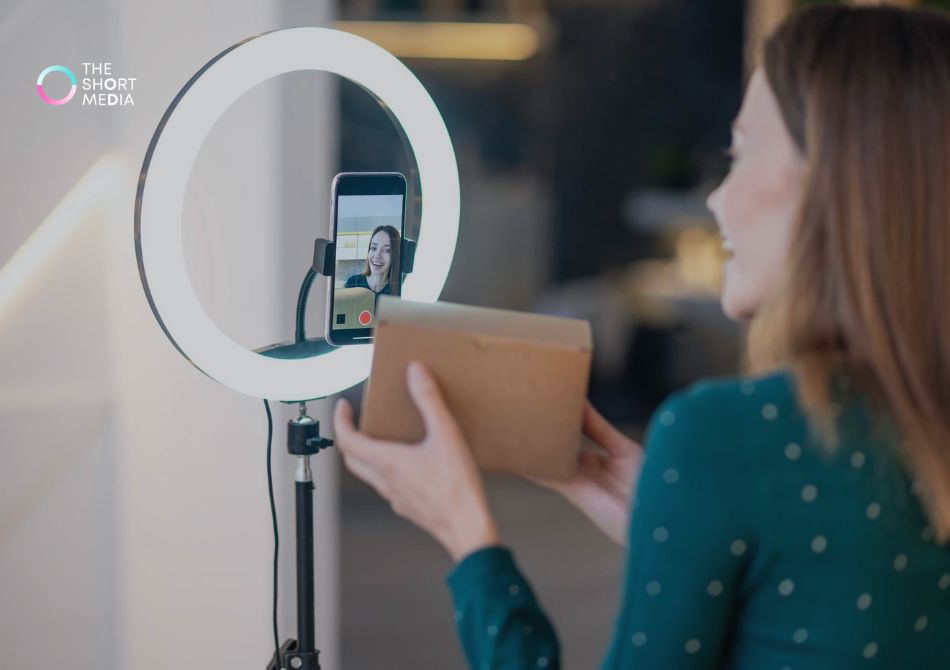
I’ve watched more than one brand walk into TikTok thinking it was just the “awareness channel.” They’d brief creators for a few fun top-of-funnel videos, maybe put some paid spend behind the best one, and call it a test. Then the comments would roll in. People asking where to buy. Asking if it works on textured hair. Asking whether the protein powder mixes well in cold coffee. Asking if the peel-and-stick tile actually holds up in a rental bathroom in Phoenix.
That’s usually the moment the team realizes this isn’t just a place for reach. It’s where discovery, consideration, objection-handling, and conversion are all happening in the same scroll.
A lot of brands in the USA are still a little behind on that. Not because they don’t see TikTok’s size, but because they’re planning for it like it’s 2021. It’s not. If you’re serious about tiktok for marketing, you need to think beyond “viral content” and start treating the platform like a full customer journey.
Why TikTok stopped behaving like a top-of-funnel channel
The old mental model was simple: TikTok gets attention, then Instagram retargets, then Google closes the sale. Clean slide for the strategy deck. Real life is messier.
A skincare brand might post a creator demo showing how a serum sits under makeup. Someone watches for eight seconds, scrolls, sees a Spark Ad version two days later, checks comments, clicks the profile, watches three more videos, then buys on Amazon that night. That’s not some tidy funnel with channel-specific roles. That’s one platform doing a lot of work.
That’s why tiktok for marketing has become more operational than a lot of teams expected. You’re not just feeding content into an algorithm. You’re building proof. Social proof, product proof, creator proof, comment proof. Sometimes the comments do more selling than the ad itself, honestly.
I’ve seen a kitchen-shot demo for a home cleaning product outperform polished studio creative because it answered the exact thing shoppers were unsure about: “Will this stain remover work on old grease marks near the stove?” The video looked almost too normal. That helped.
What full-funnel actually looks like on TikTok
When people talk about full-funnel, they often make it sound more abstract than it is. On TikTok, it’s usually pretty visible.
Awareness still matters, but it’s not enough
You still need content that earns attention. No surprise there. But attention without context burns out fast. A trend clip that gets views and no qualified interest isn’t helping much if you sell premium cookware or a local med spa package in Dallas.
For tiktok for marketing, awareness content works best when it introduces a problem or a use case, not just a vibe. A fitness brand selling adjustable dumbbells might do better with “small apartment workout setup” content than generic transformation montages. A frozen food brand has a better shot with “lazy lunch that doesn’t taste sad” than a clean logo animation and a slogan.
And brands still join trends too late. All the time. By the time legal approves the audio and the social team gets assets out, the joke is already dead.
Consideration happens in the comments and in the follow-up posts
This is the part a lot of teams underestimate. Someone sees your first video and gets curious, but they’re not buying yet. They want receipts.
That’s where tiktok for marketing gets interesting. People will check your profile. They’ll look for another angle, a different creator, a demo on a different skin tone, a clearer before-and-after, a less scripted explanation. If every creator reads the talking points too perfectly, performance usually drops. You can feel the brand brief sitting on top of the video.
The stronger brands build content stacks, not one-offs. For a beauty launch at Target, that might mean:
– one creator doing first impression
– another doing wear test at 3 p.m. in bad car lighting
– one video focused only on shade matching
– one paid asset answering a common objection from comments
That’s not glamorous. It works.
Conversion content on TikTok looks more practical than persuasive
The ads that convert on TikTok often don’t sound like ads in the traditional sense. They sound like someone showing you the thing, using the thing, and getting to the point pretty quickly.
That’s why a lot of tiktok marketing services now include creator sourcing, comment mining, paid amplification, landing page feedback, and shop optimization. If the platform is influencing conversion directly, the service model has to expand too.
For DTC brands, that might mean building Spark Ad pipelines from organic posts that already have strong saves and comments. For Amazon products, it often means creator videos that answer the exact objections shoppers usually leave in reviews. For local services in the USA, like cosmetic dentistry or HVAC, it can mean short clips that explain pricing ranges, what an appointment feels like, or what same-week availability actually means.
Not flashy. Useful.
The brands doing well here aren’t posting randomly
There’s still a weird tendency to treat TikTok as a volume game. Just post more. Maybe. But if the content doesn’t map to real buyer behavior, posting more just gives you more weak data.
The better tiktok marketing services teams usually work from three inputs:
They know what customers are hesitating on
Comments are gold for this. So are DMs, reviews, support tickets, and even retail feedback. I’ve seen comments reveal objections the sales page completely missed. A supplement brand kept talking about ingredients while the comments were full of people asking if the tub would fit in a gym bag and whether it upset their stomach before a run.
That should shape content. Not the internal messaging doc.
They separate creator fit from audience size
A mid-size creator who actually uses the product category often outperforms a bigger creator who can read a script cleanly but doesn’t feel believable. You see this a lot in beauty and food. A creator filming in her kitchen with slightly annoying overhead light can beat a polished setup because she sounds like she’d actually repurchase the item.
That’s a big part of tiktok for marketing now: not just finding creators, but finding the right level of credibility for the product and price point.
They build paid and organic together
Organic gives you language, hooks, and proof. Paid gives you scale and consistency. Splitting those into separate worlds usually slows everything down.
The smartest tiktok marketing services setups treat organic posting, Spark Ads, whitelisting, and creative testing as one system. A home products brand might learn from organic comments that buyers care about installation time, then spin out paid variants focused just on “under 10-minute setup.” That’s full-funnel thinking in practice.
TikTok for marketing works differently by category
Not every vertical uses the platform the same way, and that matters.
Beauty is still one of the clearest examples. Texture, shade, wear, application mistakes, dupes, all of that plays well because the product benefits are visual and easy to compare.
Food brands do well when they stop pretending every video needs to feel branded. A quick freezer-to-plate demo in a real kitchen often lands better than a highly art-directed recipe shoot.
For home products, proof matters more than polish. Show the storage cart rolling under a sink. Show the peel-and-stick hooks after three months. Show the cheap rug after a dog incident. That kind of thing.
For local businesses in the USA, tiktok for marketing can be surprisingly strong if the content answers practical concerns. A med spa can talk through downtime. A roofing company can show what hail damage actually looks like. A dentist can explain why one treatment costs more than another without making it feel defensive.
Where tiktok marketing services earn their keep
A lot of brands don’t need another agency promising “viral storytelling.” They need adults in the room who can connect creative to revenue without making the content stiff.
Good tiktok marketing services usually help with:
– creator briefs that don’t sound like legal wrote them
– content planning based on objections, not just trends
– Spark Ad selection
– testing hooks, offers, and angles
– comment analysis
– landing page feedback when conversion drops after the click
– reporting that ties content themes to actual outcomes
And, maybe underrated, they help brands avoid embarrassing themselves. Like hopping on a trend two weeks late, forcing slang into scripts, or overproducing a product demo until it looks like a TV spot wearing a TikTok costume.
You can usually tell when a brand is trying too hard. So can everyone else.
This platform asks for more honesty than most teams are used to
That doesn’t mean every video needs to be raw or chaotic. It means the content has to answer real questions in a believable way.
That’s why tiktok marketing services have shifted from simple content production to something closer to audience translation. What are people curious about? What are they doubting? What format makes them stay long enough to care? What creator actually sounds credible saying this?
If you approach TikTok like a place to dump campaign cutdowns, you’ll probably keep getting mediocre results and blaming the platform. If you treat it like a full-funnel environment, where creative, comments, creator trust, and paid distribution all affect the sale, the strategy gets a lot clearer.
And usually a little less polished. Which, on TikTok, tends to help.
FAQ
1. Is TikTok really useful for lower-funnel conversions, or mostly awareness?
It can absolutely pull lower-funnel weight, especially when the product is easy to demonstrate and the offer is clear. I’ve seen shoppers go from first exposure to purchase in a day, particularly with beauty, home gadgets, supplements, and impulse-friendly DTC products.
2. How many videos does a brand need before TikTok starts working?
Usually more than the team wants to hear. One or two videos won’t tell you much. You need enough creative variation to spot patterns in hooks, creator styles, and objections. Ten to twenty useful tests says more than three polished “hero” assets.
3. Do polished brand videos still work on TikTok?
Sometimes, but they need to earn their place. If the edit feels too controlled or the script sounds ironed flat, people scroll. A cleaner look can work for retail launches or premium products, but it still needs some human texture.
4. Should brands focus on organic first before running paid?
That’s often the smarter route, but not as a rigid rule. Organic helps you see what language people respond to and what creators feel credible. Paid can come in early too, especially if you already have strong UGC or creator content to test.
5. What kinds of businesses get the most out of tiktok for marketing?
Beauty, food, fitness, home products, and DTC brands have a natural advantage because they’re easy to show. But local services, retail launches, and Amazon products can do well too if the content is specific. “Here’s what this service actually includes” tends to beat vague branding every time.
6. Are creators still necessary if a brand has an in-house content team?
Pretty often, yes. In-house teams can move faster and know the product better, but creators bring different audiences and a different kind of trust. Also, some products just look more believable in someone’s actual apartment than in a brand set.
7. What should a brand look for in tiktok marketing services?
Look for people who talk about creative testing, comments, paid distribution, and conversion paths, not just views. If they can’t explain how they choose creators or how they turn comment insights into new ads, keep looking.
8. How long does it take to see results?
Depends on the product, the offer, and whether the creative is any good. Sometimes you’ll get signals fast, within a couple of weeks. Real consistency usually takes longer because you’re learning what the audience actually needs to see, and that part can’t be faked.
9. Is TikTok Shop necessary for success?
Not always. It helps in some categories, especially impulse-friendly products, but plenty of brands still drive results to their own site, Amazon listings, or retail partners. Don’t force it if the buying experience doesn’t make sense there.