
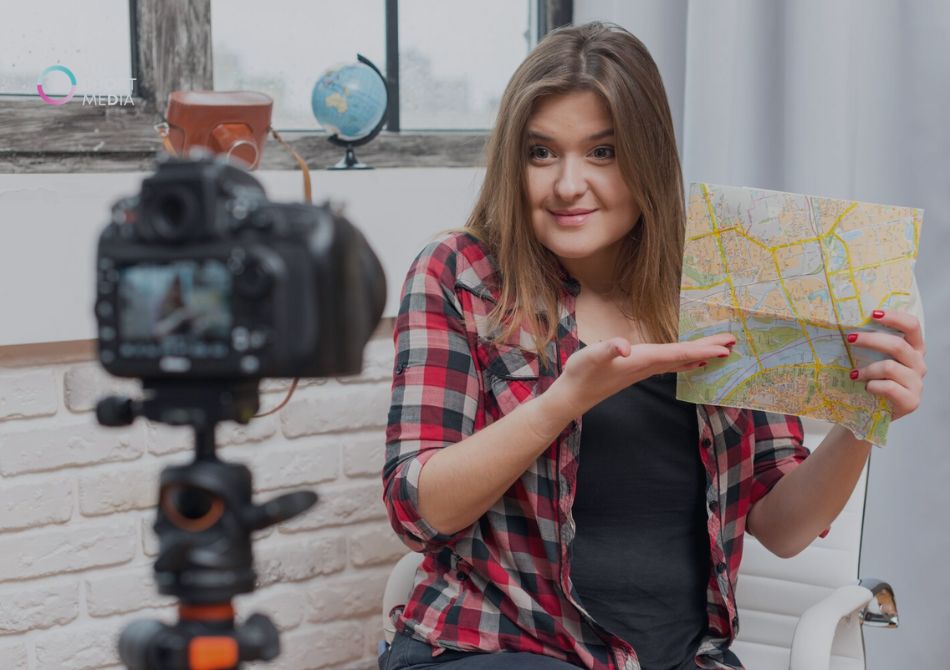
A few months ago, I watched a UK homeware brand spend five figures on polished launch creative that looked great on a mood board and did almost nothing once it hit feeds. Same week, a scrappy product demo filmed on someone’s kitchen counter — bad overhead light, slightly awkward voiceover, no fancy edit — started pulling comments, saves, and actual sales. Not “awareness.” Sales.
That gap is pretty much the story of TikTok right now.
For UK brands, TikTok isn’t just another place to repost social content and hope for reach. It’s become the quickest route to testing offers, finding angles that people actually care about, and turning attention into demand without waiting months for brand campaigns to warm up. And if you’ve worked with a decent TikTok Growth Agency, you’ll know the speed is the whole point. You can learn more from one week of TikTok comments than from a month of internal brainstorming.
The UK market is moving fast, and TikTok fits that pace
The reason TikTok is growing so quickly in the UK has less to do with hype and more to do with behaviour. People don’t really use it like they use older social platforms. They scroll for entertainment, sure, but they also use it to compare products, check whether something is worth buying, look up local recommendations, and sanity-check brand claims.
That matters.
A tiktok marketing company that understands UK audiences won’t just push trends or tell you to dance near your packaging. They’ll look at how people are already talking about your category. For a beauty brand, that might mean spotting that users care less about the ingredient list than whether the foundation separates after six hours. For a food brand, maybe comments reveal people want to know if the meal actually tastes decent after being frozen, not just how “high protein” it is.
This is where TikTok gets ahead of slower channels. The feedback loop is immediate. You post. People react. They tell you what’s unclear, overpriced, overhyped, or surprisingly useful.
A lot of UK brands still underestimate that.
A good TikTok Growth Agency doesn’t treat content like ad inventory
There’s a bad habit in marketing teams where TikTok gets treated as a place to dump cutdowns from a bigger campaign. Usually vertical. Usually over-edited. Usually dead on arrival.
A proper TikTok Growth Agency works differently. It builds around native behaviour first, then performance. Not the other way around.
That might mean:
- testing creator-led product hooks before investing in ad spend
- filming rougher demos because they look believable
- using comment sections as copy research
- spotting when a trend is already a week too old for the UK audience you’re targeting
I’ve seen a tiktok marketing company rescue underperforming paid campaigns simply by changing the opening three seconds. Not the offer. Not the landing page. Just the first line and the way the product was introduced. One fitness brand went from generic “here’s why this works” messaging to a creator saying, basically, “I thought this was nonsense until I tried it after leg day.” Slightly messy. Much better.
People can tell when a script has been approved by six stakeholders. You hear it in the pacing. The creator reads too perfectly, the joke lands half a beat late, and the comments go quiet.
The speed of testing is hard to match anywhere else
This is probably the biggest reason TikTok has become such a fast growth channel in the UK.
You can test multiple offers, hooks, creators, and product angles in days, not quarters. A tiktok marketing company with actual performance experience will usually build a system around this: organic testing, paid amplification, creator sourcing, iteration, repeat. It sounds simple when written down. It rarely looks neat in practice.
One week a DTC skincare brand finds that “morning routine” content gets nice views but weak conversion. Then a customer-style video focused on pilling under makeup suddenly drives much stronger click-through. That’s useful. Not because it’s a viral moment, but because it tells you what people were worried about before buying.
A UK retailer launching into a new category can use TikTok the same way. Instead of guessing which product benefit to lead with, they can put three or four real angles into market and see what sticks. Convenience. Price. Texture. Before-and-after. Whatever the category needs.
A TikTok Growth Agency should be comfortable with that kind of messy learning process. If they present TikTok as a tidy monthly content calendar with fixed themes and no room for adjustment, I’d worry a bit.
Why a tiktok marketing company can outperform bigger media plans
Not every brand needs a huge paid social machine. Some need sharper creative and faster feedback.
That’s where a tiktok marketing company often punches above its weight. Especially for challenger brands, Amazon products, local services, and retail launches that need traction without waiting for a long campaign cycle.
Take local services in the UK. A cosmetic clinic, a dentist, even a cleaning business can get surprising mileage from TikTok if the content feels specific enough. Not generic “book now” videos. Actual explanations. A treatment process. A common mistake. A staff member answering the question everyone asks in DMs but never on a sales page.
Same with Amazon brands. I’ve seen simple unboxings and side-by-side comparisons outperform polished studio ads because they answer real buying objections quickly. Does it fit in a small kitchen? Is it noisy? Does it look cheap in person? Those little details matter more than the brand deck usually admits.
A solid tiktok marketing company knows this. They’re not chasing reach for the sake of reporting. They’re looking for the creative that gets watched, understood, and acted on.
UK audiences are quick to spot forced content
This is worth saying plainly: British audiences can be brutal when content feels fake.
Not always in a dramatic way. Sometimes they just scroll past. Sometimes the comments get dry. Sometimes the video performs fine on views and still does nothing commercially because people didn’t buy the premise.
That’s another reason brands hire a TikTok Growth Agency instead of assigning TikTok to whoever already manages Instagram. The tone is different. The pacing is different. The tolerance for overproduced brand language is much lower.
A tiktok marketing company that has spent time in the trenches usually knows when to leave the rough edges in. A half-second pause. A creator laughing at their own line. A product demo that looks like it was filmed in a real bathroom, because it was. Those details often do more work than another round of motion graphics.
And timing matters more than some teams expect. I’ve watched brands jump on a trend two weeks late, with legal-approved captions and a pristine edit, and get absolutely nothing from it. Meanwhile, a quick reactive post from a smaller competitor picks up momentum because it actually feels current.
It’s not just for youth brands anymore
There’s still a weird hesitation from some businesses that assume TikTok only works for Gen Z products or impulse buys. That was never fully true, and it’s less true now.
A tiktok marketing company can help a home products brand, a supplement company, a fashion retailer, a restaurant group, or a local service business find a format that suits the category. Not every brand needs to be funny. Not every video needs a trend. Some of the strongest TikTok content is just useful and specific.
For UK brands, that opens up a lot. You don’t need a giant production budget. You need a point of view, decent creative judgement, and a team that can test quickly without panicking every time a video looks a bit less polished than the brand guidelines prefer.
That’s usually where a TikTok Growth Agency earns its keep. Not by making TikTok look tidy, but by making it work.
Picking the right partner matters more than people think
There are plenty of agencies now claiming TikTok expertise because they’ve run a few vertical ads and hired a couple of creators. That’s not the same thing.
A good TikTok Growth Agency should be able to show:
- how they test creative, not just produce it
- what they’ve learned from comments and retention data
- how they handle creator briefs without making them sound robotic
- where paid and organic support each other
- what they’d do when a decent-looking video flops
A tiktok marketing company that talks only about virality is usually a red flag. Most brands don’t need random spikes. They need repeatable creative patterns that can scale.
And honestly, they need someone who won’t panic when the first few tests are average. TikTok rewards iteration. The teams that win are usually the ones willing to keep adjusting instead of forcing a pre-approved concept long after the audience has stopped caring.
FAQs
Q1: Is TikTok really worth it for UK brands that already spend on Meta and Google?
Usually, yes — especially if your team needs faster creative feedback. TikTok can show you what people respond to emotionally and practically, then that learning often improves your Meta ads too.
Q2: How quickly can a brand see results?
Sometimes within a couple of weeks, sometimes longer. If the offer is weak or the creative is too polished to feel believable, TikTok won’t magically fix that. But it does expose the problem faster.
Q3: Do you need influencers with huge followings?
Not really. In many cases, smaller creators do better because they sound more normal. A creator with 8,000 followers who actually knows how to explain a product can outperform someone much bigger reading a stiff script.
Q4: What kind of brands tend to do well on TikTok?
Beauty, food, fitness, home products, Amazon-led brands, retail launches, and local services all have room to work. The common thread isn’t the category. It’s whether the brand can show something real, useful, or interesting quickly.
Q5: Should TikTok content look polished?
Usually less polished than most internal teams are comfortable with. That doesn’t mean sloppy for the sake of it. It means credible. There’s a difference.