
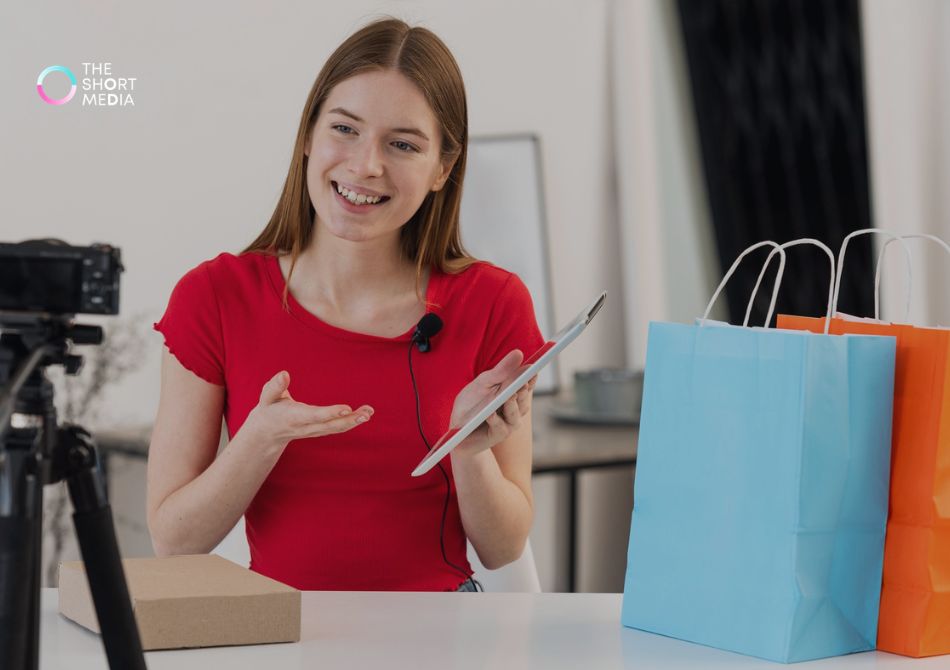
A brand team spends three weeks approving a TikTok concept. Legal trims the script. Product wants the packaging front and centre. Someone insists on adding a discount code in the first three seconds. It goes live and does... almost nothing.
Then a creator films a scrappy version in their kitchen, slightly off-centre, dog barking in the background, and that one pulls comments, saves, and a load of “where do I get this?” replies.
That’s usually the moment a brand starts saying TikTok feels random.
I get why. From the outside, it can look like pure chaos. One video takes off, the next five stall, and the comments tell you things your landing page never did. But after working with paid social teams, creators, ecommerce brands, and local service businesses, I’d say TikTok isn’t random so much as brutally honest. It rewards things that feel watchable now, not things that looked sensible in a planning doc last month.
That gap matters. And it’s usually where a good TikTok Agency or one of the better tiktok marketing partners earns their keep.
The platform isn’t random. Most brand behaviour is just a bit off.
A lot of brands come into TikTok with habits picked up from Meta, YouTube, or polished brand campaigns. Fair enough. Those habits worked elsewhere. On TikTok, they often make content feel late, stiff, or over-handled.
You see it all the time with beauty brands. The team wants a “hero product moment,” so the creator is asked to hold the serum label perfectly to camera and hit four talking points in 20 seconds. The result feels rehearsed. Not terrible, just... too tidy. Meanwhile, a less polished clip of someone applying the same product in bad bathroom lighting gets stronger watch time because it feels like an actual person using it.
That’s not randomness. That’s audience response.
The same thing happens in food. A snack brand joins a trend two weeks too late, adds motion graphics, and wonders why it lands flat. Then a low-fi taste test filmed in a car does better because the reaction is immediate and a little messy. TikTok tends to expose when a brand is performing “social content” instead of making something worth watching.
Good tiktok marketing partners know this. They don’t just chase trends. They look at pacing, hooks, comment language, creator fit, and whether the content feels native enough to survive the first two seconds.
What brands often miss when they say “the algorithm is weird”
Usually, when someone says the algorithm is weird, they mean they don’t have a reliable creative pattern yet.
That’s different.
TikTok gives feedback quickly, but not always politely. If the opening line sounds like ad copy, people scroll. If the creator reads a script too perfectly, people notice. If the product demo takes too long to get to the point, retention drops. It’s not mysterious. It’s just less forgiving than channels where brand familiarity can carry mediocre creative a bit further.
I’ve seen this with DTC home products and Amazon-focused brands especially. A polished studio video showing a storage organiser in a spotless kitchen looked expensive and underperformed. A second version, filmed by a creator actually stuffing toddler snacks and cables into the organiser on a cluttered counter, beat it by a mile. Same product. Better context. Better proof.
That’s where experienced tiktok marketing partners tend to separate themselves from generalist agencies. They know the issue often isn’t budget. It’s friction. Too much setup, too much explanation, too much brand control.
A TikTok Agency should be part creative filter, part reality check
If you’re hiring a TikTok Agency, you probably don’t need someone to tell you TikTok is important. You need someone who can stop your team from making content that looks approved to death.
That sounds harsh, but honestly, it’s the work.
A useful TikTok Agency will challenge the instinct to over-script. They’ll push for multiple hooks, not one “master version.” They’ll ask for creator whitelisting plans early if paid is part of the model. They’ll look at comments as research, not just engagement. And they’ll tell you when your trend idea is already stale.
The better tiktok marketing partners also understand that organic and paid shouldn’t be treated like separate planets. Not identical, obviously. But connected. Organic testing often reveals which objections people have, which phrases they repeat, and what kind of demo actually lands. Paid can then scale the angles that already showed signs of life.
A fitness brand, for example, might think its core message is performance. TikTok comments may show that people care more about whether the resistance bands slip on hardwood floors. That’s not a small insight. That’s the ad.
Why creator content works when brand content doesn’t
This part makes some internal teams uncomfortable, but it’s true: creators are often better at making brands look believable than brands are.
Not because creators are magical. Usually because they understand rhythm. They know how to speak like a person, pause in the right place, leave in a tiny imperfection, and avoid sounding like they memorised a brief. That matters more than some teams want to admit.
I’ve watched retail launch campaigns where the official brand videos looked expensive and forgettable, while creator clips shot in changing rooms drove actual store visits. Same with local services. A polished dentist ad can feel generic fast. A staff member casually explaining what nervous patients usually ask before a whitening appointment? Much stronger. More comments too.
The smarter tiktok marketing partners build systems around this instead of treating creators like interchangeable media units. They match creators to use case, not just follower count. A home cleaning product doesn’t always need a lifestyle creator with glossy interiors. Sometimes it needs someone with a genuinely chaotic utility cupboard and a believable before-and-after.
The data is there, just not in the format some teams want
Part of the frustration is that TikTok doesn’t always hand brands a clean, comforting story.
You might get a video with average click-through but loads of useful comments. You might get strong watch time on a piece that never converts because the audience liked the story more than the item. You might get a so-so post that becomes a great paid asset after a tighter edit.
That can feel messy if your team is used to cleaner attribution logic. Still, there are patterns.
The better tiktok marketing partners look beyond surface virality. They pay attention to hold rate, comment quality, rewatch behaviour, saves, creator-specific performance, and whether the hook is doing the heavy lifting or the product itself is actually interesting. Those details matter when you’re trying to build repeatable outcomes instead of celebrating one lucky hit.
A lot of brands don’t need more content. They need better interpretation.
Why some brands keep missing despite spending plenty
Because spending doesn’t fix a weak creative process.
I’ve seen brands throw budget behind content that was clearly built for internal comfort, not audience response. Too much branding too early. Too many talking points. A trend reference everyone has already moved on from. And, weirdly often, captions written like website copy.
With tiktok marketing partners, what you want is a team that can shorten the distance between signal and action. If comments keep asking whether a pan is dishwasher safe, make the next video about that. If a protein snack keeps getting compared to chalk in the comments, don’t ignore it. Film a reaction-style taste test with actual texture close-ups. If a creator’s “unscripted” delivery suddenly sounds like a TV ad, rewrite the brief.
That’s the work. Not just posting more.
The brands that do well usually get comfortable being less polished
Not sloppy. Just less precious.
They test more angles than they think they need. They stop treating every post like a campaign asset. They accept that a product demo filmed on a kitchen counter can outperform a studio setup. They let creators sound like themselves. They pay attention when comments reveal objections the sales page missed. And they move faster next time.
A strong TikTok Agency helps create that operating rhythm. Not random swings between trend chasing and frustration, but a process: test, read responses, refine, scale, repeat. Slightly messy, yes. Still a process.
That’s also why so many brands end up relying on specialised tiktok marketing partners rather than broader social agencies. TikTok punishes generic thinking pretty quickly. You can feel it in the first second of a video.
So no, TikTok marketing isn’t random. It just exposes slow decision-making, overworked creative, and brand instincts that don’t travel well to this platform. Which, if we’re being honest, is annoying. But useful.
FAQs
Q1: Why does one TikTok video work and the next one flop?
Usually because the two videos aren’t as similar as the brand thinks. The hook might be slower, the creator may sound more scripted, or the product payoff comes too late. Tiny differences matter more on TikTok than teams expect.
Q2: Do brands really need a TikTok Agency?
Not always. If you’ve got an in-house team that understands creator direction, fast testing, editing for retention, and paid amplification, you may be fine. But plenty of teams are strong marketers and still not great at making TikTok-native creative, which is where a TikTok Agency can help.
Q3: Are tiktok marketing partners only useful for big brands?
No. Smaller ecommerce brands often get value faster because they can move quicker and approve content without six rounds of feedback. Some of the sharpest work I’ve seen came from lean teams selling beauty tools, supplements, or home gadgets.
Q4: How many creators should a brand test at once?
More than one, less than chaos. For most brands, 5 to 10 creators gives you enough variation in tone and audience fit without making the review process unmanageable. Testing one creator and assuming the result proves anything is usually a mistake.
Q5: Should TikTok content look unpolished on purpose?
Not exactly. Forced scrappiness is easy to spot. What tends to work is content that feels natural and watchable, even if the lighting isn’t perfect or the framing is a bit uneven.