
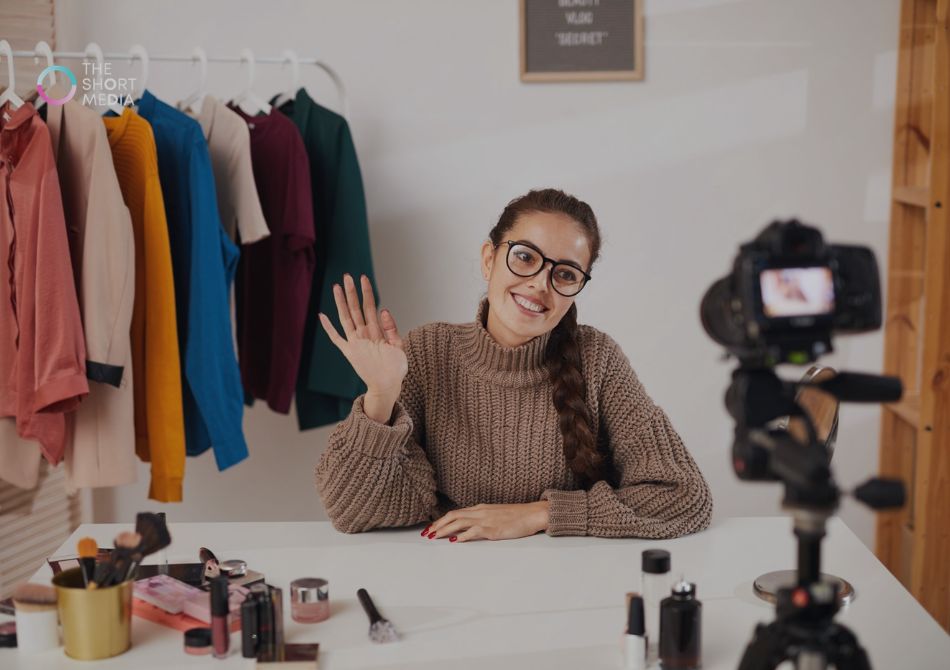
A few years ago, most UK brands treated TikTok like the place for “awareness” and not much else. Fun videos, maybe a creator partnership, a few comments from teenagers, then everyone went back to Meta and Google when it was time to actually sell something.
That split doesn’t really hold up now.
I’ve watched beauty brands sell out shades after a creator did a rushed GRWM in bad bathroom lighting. I’ve seen kitchen gadgets get more traction from a 19-second demo filmed beside a sink than from a polished product page. And I’ve also seen brands blow decent budgets because they posted trend-led content that already felt old by the time legal approved it. That’s TikTok. Messy, fast, occasionally irritating, but very hard to ignore if you sell online in the UK.
The shift isn’t just about attention anymore. It’s about shopping behaviour. People aren’t only discovering products on the platform; they’re comparing them, reading comments, watching demos twice, and buying with less friction than most ecommerce teams are comfortable admitting.
TikTok Shop is changing what “shopping journey” even means
The old path was tidy on paper: ad, click, landing page, checkout. Real life was never that tidy, but at least marketers could pretend it was.
Now someone sees a creator using a cleansing balm, scrolls comments to check if it stings sensitive skin, watches a second video from another account, taps into TikTok Shop, and buys before they ever visit the brand’s website. That’s not a niche behaviour anymore. It’s becoming normal.
In the UK, that matters because consumers are already comfortable with mobile-first buying. They’re used to quick decisions, Klarna-style payment habits, and social proof doing a lot of the heavy lifting. TikTok Shop fits neatly into that. It removes several of the little drop-off points that usually kill conversion: slow websites, clunky product pages, too many tabs open, a checkout flow that suddenly asks for a password you forgot in 2022.
And unlike a lot of social commerce experiments from the past, this one actually feels native to how people use the app. That’s the important bit. It doesn’t feel like shopping awkwardly bolted onto entertainment.
The real power sits in product proof, not polished branding
A lot of brands still get this wrong. They bring in their usual paid social instincts, make everything too clean, too scripted, too “campaign”. Then they wonder why a creator’s handheld video outperforms the hero asset that took three weeks and five rounds of feedback.
Usually it’s because the polished ad answers the question the brand wants to answer, while the rougher video answers the question the buyer actually has.
Does the fake tan go patchy around the wrists?
Will the air fryer liner curl up?
Is the protein bar chalky?
Does the sofa cover look cheap in daylight?
Those questions show up in comments long before they show up in a conversion report. Good teams pay attention to that. Great teams build their next creative around it.
That’s also where potential of TikTok Ads gets misunderstood. People talk about it like it’s some abstract media opportunity. In practice, the potential of TikTok Ads often comes down to whether your creative feels like it belongs in-feed and whether it gets to the point before someone swipes past. If your ad opens like a TV spot, you’ve probably lost them.
Why UK shoppers are responding to it faster than some brands expected
British shoppers can be sceptical. They’ll absolutely buy on impulse, but they also like to feel like they’ve done a bit of checking first. TikTok happens to support that behaviour better than many brand sites do.
A skincare customer in Manchester might watch three videos about the same serum from different creators in under two minutes. A mum in Leeds might read comments under a lunchbox video to see whether it actually keeps fruit from leaking. Someone furnishing a first flat in Bristol might save five videos about storage carts before buying one on payday.
That mix of entertainment, comparison, and low-friction purchase is a big reason TikTok Shop is gaining ground so quickly.
There’s also a trust dynamic here, though not in the overused “people trust creators” way agencies love to say. It’s more specific than that. Viewers can tell when a creator is reading a script too perfectly. You see it in the comments straight away: “why does this sound so forced?” On the other hand, a slightly rambling demo filmed in a kitchen, where the creator spills a bit of the sauce or shows the product mid-use, often lands better because it feels observed rather than staged.
That difference matters for tiktok business advertising. The ads that work tend to borrow from creator behaviour without trying too hard to cosplay as a trend.
tiktok business advertising works best when commerce and content are planned together
Here’s where many teams make life harder for themselves: ecommerce owns conversion, social owns content, paid media owns spend, creators sit with influencer, and nobody is really building one joined-up TikTok plan.
That setup usually leads to weak results.
The stronger brands treat tiktok business advertising and creator content as part of the same system. Organic posts reveal hooks. Comments reveal objections. Creator whitelisting extends what’s already working. Paid spend scales the formats that have some proof behind them.
I’ve seen this work especially well with:
Beauty launches that need shade or texture proof
Beauty is almost unfairly suited to TikTok. A lip oil catching light properly, a foundation oxidation test, a side-by-side mascara clip — that stuff travels. For UK retailers and DTC brands, tiktok business advertising often works best when the ad doesn’t try to explain the whole product range. Just show one useful transformation and let the comments do some of the selling.
A US beauty brand I worked around had a studio ad that looked expensive and converted fine, nothing special. Then a creator filmed the same product in her car, showing how the concealer sat after six hours. That version gave the paid team a much stronger angle because it answered wear-time concerns immediately.
Food and drink products people need to “see”
Food brands do well when they stop overstyling everything. A sauce poured over actual dinner in a normal kitchen can beat the pristine tabletop shot. Not always, but often enough that it’s worth saying out loud.
For tiktok business advertising, this matters because appetite and proof happen quickly. If the first two seconds are just branding and lifestyle fluff, performance tends to wobble.
Home and utility products with obvious demos
Mops, organisers, pet hair removers, storage shelves, mattress toppers — these products don’t need a brand manifesto. They need a before-and-after, a close-up, and maybe a comment screenshot addressing the obvious objection. Potential of TikTok Ads is especially strong here because utility products are easy to understand in motion.
The comments section is doing more sales work than most landing pages
This is the part many marketers still underestimate.
Comments are where hesitation gets exposed. You’ll find people asking if a product works on darker skin tones, whether delivery took ages, whether the sizing runs small, whether the “viral” gadget breaks after two uses. Sometimes the sales page never addressed any of it.
Smart brands mine that constantly. They turn those questions into new ad hooks, creator briefs, product page copy, even pinned comments. It’s not glamorous, but it’s useful. And honestly, some of the best potential of TikTok Ads comes from treating comments as research rather than community management admin.
When TikTok Shop is attached to that loop, the distance between objection and purchase gets much shorter.
Not every brand will win there, and that’s worth saying
Some products are still awkward on TikTok. High-consideration B2B services. Expensive financial products. Things that need a long trust-building cycle. Local services can work, but only if the content is grounded enough to feel real. A London clinic showing actual treatment prep or a trades business posting satisfying repair footage can do well. A generic “we’re your trusted experts” video usually dies quietly.
That doesn’t mean the platform is only for cheap impulse buys. It means the format has demands. tiktok business advertising rewards brands that can show, demonstrate, compare, react, and adapt fast. If your internal process turns every post into a committee project, you’ll struggle.
And yes, trend-chasing can backfire. I’ve seen brands jump onto a sound two weeks too late, with captions that read like someone in procurement wrote them. Nobody enjoys that.
What UK brands should do next, realistically
If you’re a retailer, DTC brand, Amazon seller, or even a service business with something visual to show, the opportunity is less about “being on TikTok” and more about building a proper commerce engine for the platform.
That means:
- Testing creators who can demonstrate, not just pose
- Using paid spend behind content that already shows signs of life
- Letting product proof lead the creative
- Watching comments like they’re customer research
- Treating TikTok Shop as part of the conversion path, not a side feature
- Being honest about whether your team can move fast enough for tiktok business advertising
The brands getting traction in the UK aren’t always the biggest or the glossiest. Often they’re just quicker to notice what people are actually responding to.
And that, really, is why TikTok Shop keeps gaining influence. It fits how people browse when they’re half-looking for entertainment and half-ready to buy something useful. The old separation between content, ad, review, and checkout is getting blurrier. TikTok didn’t invent that behaviour, but it’s made it much easier to act on.
FAQs
1. Is TikTok only useful for cheap impulse products?
Not really. It’s obviously strong for lower-cost beauty, snacks, gadgets, and home buys, but I’ve seen more premium products work when the content does a proper job of showing value. A £12 lip stain is an easy sell; a £180 styling tool needs more proof, more creator angles, and usually a better comment strategy.
2. Does TikTok Shop replace a brand’s own website?
For some purchases, it can take a chunk of that role. But most established brands still need their own site for retention, bundles, email capture, subscriptions, and fuller brand storytelling. TikTok Shop is powerful, though it’s not the entire ecommerce setup.
3. How important are creators for tiktok business advertising?
Very. Not always influencers with huge followings, either. Smaller creators often deliver better footage because they sound less rehearsed and they’re usually better at making a product feel part of normal life.
4. What kinds of products tend to work best?
Beauty, food, fitness accessories, cleaning tools, storage products, pet items, and problem-solving home products tend to have an easier time because they demo well. If someone can understand the benefit in a few seconds, you’re in a better position.
5. Is the potential of TikTok Ads still strong if organic content is weak?
It can be, but weak organic usually hints at a creative problem. Paid media can buy reach, not relevance. If nobody is stopping to watch the content, adding budget may just help you fail faster. Bit blunt, but true.