
A couple of years ago, a lot of brands treated TikTok like a lucky dip. Send product to 30 creators, hope three videos hit, put some paid spend behind the best one, then call it a strategy. I’ve sat in those meetings. Usually right after someone says, “We need something that feels native,” and then hands over a script that sounds like it came from legal.
That approach is getting harder to defend in 2026.
Not because TikTok stopped working. It still works. But the brands getting real results now are being much more deliberate about creator selection, briefing, paid usage rights, comment mining, and how all of that connects to actual sales. The loose, chaotic version of tiktok influencer marketing hasn’t disappeared, but it’s not where the serious budget is going.
What changed is simple enough: teams learned the hard way that views alone don’t fix bad planning.
The messy middle is where the wins are
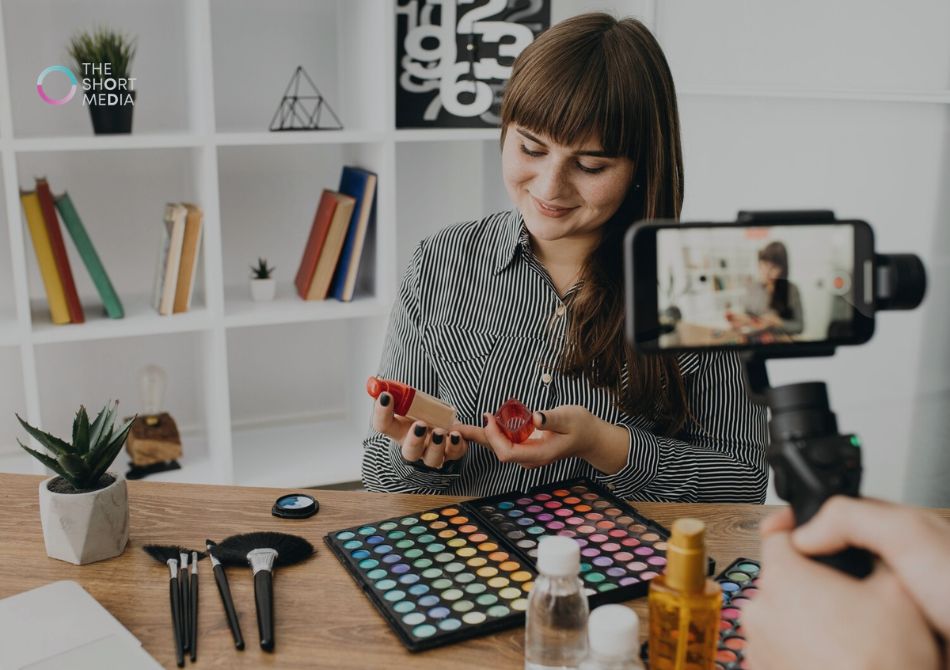
A beauty brand can still get a spike from a creator with great skin and a clean bathroom shelfie setup. Sure. But if the creator reads the talking points too perfectly, the post often dies in the first few seconds. You can almost feel the audience clocking it. That’s been true for a while, but in 2026 more brands are finally building around that reality instead of pretending authenticity can be approved line by line.
The stronger campaigns now usually sit in the middle ground between brand control and creator freedom. Not fully polished. Not random either.
I’ve seen a US skincare brand get more conversions from a creator filming in her kitchen at 7am than from a studio-shot campaign with a six-figure production budget. The kitchen video had uneven lighting, slightly rushed pacing, and a very believable “I’ve been using this before the gym” angle. Comments were full of practical objections too — pilling, undertones, whether it worked on textured skin — and that comment section ended up shaping the next round of landing page copy.
That’s strategy. Not just content.
Why tiktok agency partnerships matter more now
A lot of internal teams are stretched thin. Paid social owns performance. Brand owns messaging. Influencer sits somewhere in between, often under-resourced and expected to somehow produce both cultural relevance and ROAS. That’s part of why tiktok agency partnerships have become more valuable in 2026.
Not all agencies, obviously. Some are still just middlemen with a creator spreadsheet and a nice deck. But the useful tiktok agency partnerships are acting more like operators. They know which creators can sell, which ones only look good in reports, and which creators are fine organically but fall apart when you put usage behind the content.
That distinction matters more than people think.
For a DTC supplement brand, for example, a creator might pull 400,000 views on a “day in my life” post and still drive weak conversion because the product mention is vague and buried. Another creator with 35,000 followers might produce a much better hook, stronger product handling, and cleaner paid performance for whitelisting. Good tiktok agency partnerships help spot that before the budget gets burned.
And they’re often better at sequencing content too. Not just one post and done. More like: first impression, product demo, objection handling, offer push, then retargeting with creator footage that already proved itself organically.
That’s a different level of planning.
Follower count matters less than fit, but fit got more specific
Marketers say they care about fit, then still get distracted by reach. Happens all the time.
In 2026, “fit” is less about broad audience overlap and more about whether the creator naturally delivers the type of proof your category needs. Beauty needs visible application and honest wear feedback. Food brands often need a reason to exist in someone’s routine, not just a taste reaction. Home products need a before-and-after or a tiny practical payoff. Local services, oddly enough, can do well with creators who feel more like neighbourhood personalities than polished influencers.
A US pest control company, for instance, doesn’t need a lifestyle creator with perfect aesthetics. It probably needs someone who can film a very normal backyard problem and make the fix feel immediate. A retail launch for a snack brand might need creators who are good at “found this at Target” energy without sounding like they were paid to say exactly that.
That’s where better tiktok agency partnerships can save time. They tend to know the difference between category fit and surface-level fit. Big difference.
The brief got shorter, but the planning got deeper
This is one of the more interesting shifts. The actual creator brief is often getting lighter. Fewer rigid lines. Less over-explaining. Sometimes just a sharp angle, a couple of must-say points, and examples of what not to do.
Behind the scenes, though, the planning is more detailed than ever.
Teams are looking at:
- what type of hook has already worked in-category
- whether the creator can shoot for Spark Ads or paid usage
- what comments usually reveal before purchase
- where the sales page is weak
- whether the creator’s audience is trained to engage or to buy
That last one gets missed a lot. Some creators generate loads of comments because their audience likes chatting. Nice for engagement screenshots. Not always great for revenue. Others have smaller communities but people actually ask where to buy, how to choose a shade, whether it’s on Amazon, whether there’s a discount code. Those signals are much more useful.
The best tiktok agency partnerships are now feeding these insights back into paid media and even product marketing. Not in a fancy, overbuilt way. Just practically. If every comment asks whether a protein powder mixes well with oat milk, that should probably show up in the next creator video and maybe on the PDP too.
tiktok influencer marketing is now tied much closer to paid social
This is probably the biggest shift. In 2026, tiktok influencer marketing isn’t sitting off to the side as a brand awareness experiment. It’s increasingly built with paid distribution in mind from day one.
That changes who gets hired and how content is evaluated.
A creator who can produce one charming organic hit is useful. A creator who can consistently make content that survives paid spend, keeps thumb-stop rate strong, and doesn’t collapse after frequency goes up — that person is much more valuable. Same goes for agencies. The better tiktok agency partnerships are testing creator content like media assets, not just social posts.
You can see this clearly with Amazon products and lower-priced impulse buys. A gadget demo, a cleaning tool, a kitchen organiser — these often perform best when the creator gets to the point quickly, shows the product in use, and handles one obvious objection before the viewer has time to scroll. Not glamorous. Effective.
And when a brand joins a trend two weeks too late, paid won’t save it. I’ve watched teams try.
Strategy now includes what happens after the post goes live
This used to be the forgotten part. Post goes up, team grabs screenshots, maybe boosts the top performer, then moves on.
Now there’s more attention on what happens after publishing. Comments get mined. Variations get cut for paid. Hooks get rewritten. Low-performing creators are dropped fast. Strong performers get renewed before rates jump. Smart tiktok agency partnerships are especially good at this part because they’re not emotionally attached to the original concept. If a “morning routine” angle underperforms but a blunt product demo works, they’ll pivot.
That sounds obvious, but plenty of teams still don’t.
For fitness brands, this is huge. A creator talking vaguely about “feeling better” may get polite engagement. A creator showing exactly how a resistance system fits into a 20-minute apartment workout usually gives the media team something they can actually scale. For home products, comments often reveal friction the brand never addressed — dimensions, installation time, whether renters can use it, whether it leaves marks on walls. Useful stuff. Very unglamorous, very profitable.
The role of tiktok agency partnerships in creator quality control
There’s another reason tiktok agency partnerships have become more strategic: quality control before things go sideways.
Not every creator who looks strong on-platform can deliver on deadline. Some need heavy editing. Some send content that feels like a university presentation. Some are great until the first revision request, then disappear for four days. That operational side matters once brands are running multiple creators per month and trying to feed both organic and paid channels.
Experienced teams and strong tiktok agency partnerships usually build around reliability as much as creativity. It’s not glamorous, but it saves campaigns.
And there’s a quieter benefit too: they can protect brands from over-polishing creator content. I’ve seen marketers ruin perfectly decent videos by sanding off every human edge. A pause gets cut. A weird but believable line gets replaced. Suddenly the ad looks expensive and dead.
What smarter tiktok influencer marketing looks like now
The strategic version of tiktok influencer marketing in 2026 is less about chasing viral moments and more about building a repeatable creator system.
That system usually includes a few things:
- creators chosen for specific proof styles, not just audience size
- content designed for both organic testing and paid amplification
- fast feedback loops from comments, watch time, and conversion signals
- tighter collaboration between influencer, paid social, and ecommerce teams
- better tiktok agency partnerships that can manage creator sourcing, usage rights, testing, and iteration without making everything feel corporate
That’s why it feels more strategic now. Not because the platform got more serious. TikTok is still messy, trend-led, and occasionally impossible to predict. But the brands doing well on it have stopped treating that messiness as an excuse to be sloppy.
They’re planning harder. Briefing better. Cutting faster. Paying attention to the bits that used to get ignored.
And honestly, that’s probably overdue.
FAQ's
1. How many creators does a brand really need for a TikTok campaign?
Usually more than the first budget draft allows for. If you only test two or three creators, you’re often just measuring luck. For paid-focused campaigns, I’d rather see a smaller fee per creator across a wider test group than one oversized spend on a “name” creator.
2. Are micro-influencers still worth it in 2026?
Very often, yes. Especially for beauty, wellness, niche food, Amazon products, and local services. The catch is that not all micro-creators are equal — some have trust, some just have decent engagement.
3. What makes tiktok agency partnerships worth the cost?
The good ones reduce waste. They help avoid hiring creators who look promising but can’t sell, they negotiate usage properly, and they keep content moving without your internal team chasing 14 people for revisions.
4. Should brands prioritise organic posting or paid Spark Ads?
Depends on the goal, but the strongest setup usually plans for both. Organic gives you signal. Paid gives you scale. If a creator video gets decent watch time and comments that show buying intent, that’s often a better starting point than forcing ad creative from scratch.
5. How long should a creator brief be?
Shorter than most brand teams want. If the brief reads like a compliance memo, the content tends to come back stiff. Give the creator a clear angle, a few non-negotiables, and room to sound like themselves.