
A few months ago, I watched a beauty brand spend a very healthy chunk of budget on a recognisable TV personality for a TikTok push. The video looked polished. Lighting was perfect. The caption had been approved by six people, which was part of the problem. Comments were thin, watch time was weak, and the sales lift everyone hoped for just… didn’t show up.
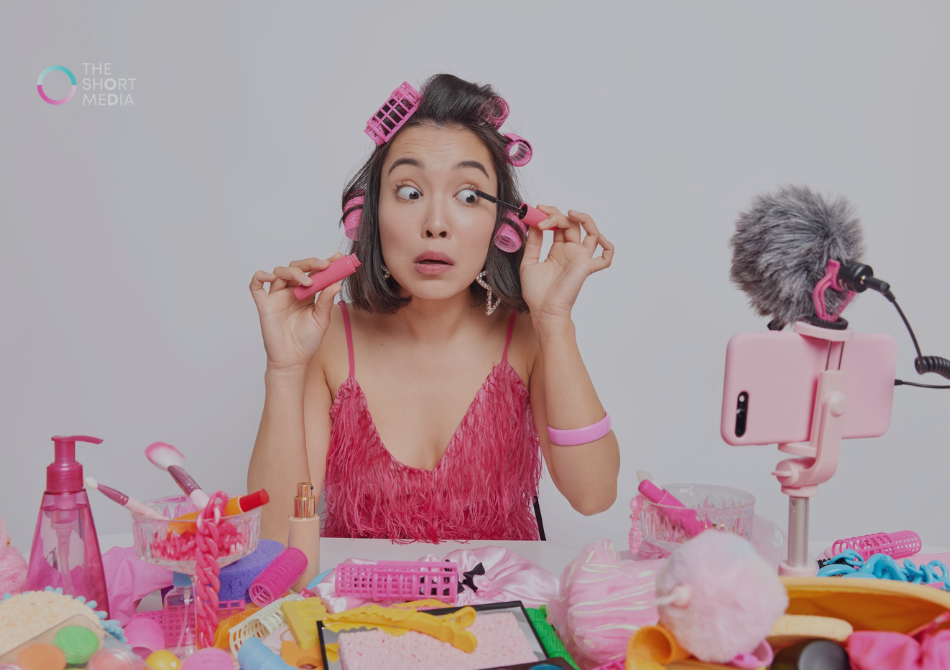
The same week, a smaller creator with around 18,000 followers posted a messy, very normal-looking “get ready with me” using that same product on a bathroom floor. Not a studio. Not a team. Just a decent hook, a real opinion, and a few comments asking where to buy it. That video moved more product.
That’s the bit some brands still resist. On TikTok, size helps less than people think. Familiarity helps. Relevance helps. Timing helps. And creators who still feel like actual users of the app often beat celebrities who feel imported from somewhere else.
What *tiktok influencer marketing* looks like when it actually works
A lot of tiktok influencer marketing still gets planned like old-school endorsement media. Big face, big reach, big splash. That thinking makes sense if you’re launching a fragrance into department stores or trying to get broad PR pickup. It makes less sense when you need people to stop scrolling and care about a product they didn’t wake up wanting.
Micro-creators tend to understand the rhythm of TikTok better because they live in it. They know when a script sounds too polished. They know that a hard sell in the first three seconds can kill a video. They know that a product demo filmed in a kitchen can outperform a branded set because it feels like something a friend would send you.
I’ve seen this with food brands, especially in the US. A celebrity partnership might get attention, sure, but a creator with 30,000 followers making a genuinely good late-night snack with your sauce can drive comments full of intent: “Need this for meal prep,” “Would this work in an air fryer?” “Just added to cart.” Those comments tell you a lot. Sometimes they reveal objections the sales page missed.
And that’s where tiktok influencer marketing gets more interesting than a simple awareness play.
Celebrities bring reach. Micro-creators bring texture.
This isn’t an anti-celebrity rant. Some celebrity campaigns do work. Usually when the person already has a native presence on TikTok and doesn’t look like they were handed a trend two weeks too late by a management team.
But celebrities often come with baggage in the content itself. There are more approvals. More image concerns. More pressure to make the post feel “on-brand,” which often strips out the very thing TikTok rewards: looseness, specificity, a bit of personality, maybe even a slightly awkward cut.
Micro-creators, by contrast, tend to post in a way that still feels lived-in. Their audience often knows how they talk, what they like, what they actually buy. If they’re a fitness creator in Texas reviewing a hydration product after a real workout, people can tell when it’s believable. Same goes for a home creator showing an Amazon organiser in a cluttered pantry instead of a showroom kitchen.
That kind of context matters more than marketers sometimes admit.
Why a TikTok Growth Agency often pushes smaller creators first
A good TikTok Growth Agency usually won’t start by asking, “Who’s the biggest name we can afford?” They’ll ask who can make the product feel native to the feed.
That’s a very different brief.
The better agencies and tiktok marketing partners I’ve worked with tend to build creator mixes, not hero bets. A few niche beauty creators. A couple of parent creators. Maybe someone in home organisation, if the product crosses over. Then they test angles. Hook-first demos, problem-solution videos, comment replies, stitch opportunities.
That’s usually where the useful learning happens.
A TikTok Growth Agency also knows that follower count can be a distracting metric. I’ve seen creators with under 50,000 followers produce stronger CPAs than creators ten times their size because their audience actually listened. Not passively. Properly listened. There’s a difference.
And frankly, some tiktok marketing partners still oversell celebrity names because it makes the deck look good. Internal teams like seeing recognisable faces. It feels safer. Until the post lands flat.
The trust thing is real, but it’s not as simple as “small equals authentic”
People throw around the word authentic so much it barely means anything now. What actually matters is whether the creator’s content matches the product and whether the audience buys the recommendation.
A micro-creator can still do a bad ad. You’ve probably seen it: they read the script too perfectly, hold the product label toward camera for too long, then tack on “I’m obsessed” in a tone they’ve never used before. Dead on arrival.
But when it fits, it really fits.
For DTC skincare, I’d usually rather have ten smaller creators each showing one specific use case than one celebrity saying the product is “part of my routine.” For local services, same story. A cosmetic dentist in Miami or a med spa in Los Angeles often gets more traction from local creators with a tight regional audience than from a famous face with broad but diffuse reach. Relevance beats fame more often than some teams want to hear.
That’s also why tiktok marketing partners who understand creator selection do better than those who just broker talent. Picking the creator is only half the job. The angle matters just as much.
Micro-creators are better at surfacing buying objections
This part gets overlooked.
When you work with smaller creators, especially in categories like supplements, home products, beauty tools, or Amazon finds, the comments are often more useful than the video metrics. People ask practical questions. Does it work on textured hair? Is it worth the price? Can you use it in a small flat? Will it hold up if you’ve got pets?
Celebrity posts often attract generic reactions. Fire emojis. “Love you.” Some attention, not much buying intent.
Micro-creators tend to generate messier but more valuable discussion. That’s gold for creative strategy, landing page updates, FAQ improvements, even product development. A smart TikTok Growth Agency will pull those insights and feed them back into paid social, PDP copy, and retargeting creative.
That’s when tiktok influencer marketing starts behaving less like a one-off campaign and more like a feedback loop.
The economics are hard to ignore
There’s also the obvious budget issue. One celebrity post can eat the same spend as a whole testing slate of micro-creators, whitelisting, paid amplification, and a second round of revised hooks.
If I’m managing budget carefully, I’d usually prefer volume and variation. Give me 15 creators with different audience pockets and content styles over one expensive name, unless there’s a very clear brand reason not to.
A TikTok Growth Agency that knows how to structure usage rights, Spark Ads, and creator iteration can stretch that budget much further. And the stronger tiktok marketing partners don’t just hand over content and disappear. They help assess what should be boosted, what should be remade, and what looked good in the brief but never had a chance on the platform.
Not glamorous. Very effective.
Where celebrity influencers still make sense
There are exceptions.
Retail launches can benefit from celebrity attention, especially if the goal is broad visibility ahead of a store rollout. Entertainment, fashion drops, and prestige beauty can also justify bigger names if the creator or celebrity already has genuine platform fluency.
But even then, I’d rarely run celebrity-only. Pair the headline name with micro-creators who can make the product feel usable, not just desirable. That balance matters. One creates noise; the other gives people a reason to care.
The strongest tiktok marketing partners usually understand this mix. They don’t treat creator strategy like a casting exercise. They treat it like media and creative working together.
Why *tiktok influencer marketing* is shifting toward creator systems, not celebrity moments
This is probably the bigger shift. Good tiktok influencer marketing now looks less like one famous person posting once and more like a repeatable creator engine.
A TikTok Growth Agency worth hiring will build a bench of creators, test formats, learn fast, and keep feeding performance back into the next round. The best tiktok marketing partners know that what worked for a protein powder launch probably won’t work the same way for a home cleaning product or a retail snack release, even if the audience overlaps.
Different objections. Different demos. Different comment behaviour.
Micro-creators fit that system better because they’re flexible, affordable, and often much closer to the habits of actual buyers. Not always prettier. Usually more effective.
And if you’ve ever watched a brand force a celebrity into a trend after legal has cleaned all the life out of it, you know exactly why that matters.
FAQs
1. Are micro-creators always better than celebrity influencers on TikTok?
Not always. If you need mass awareness for a major launch, a celebrity can still help. But for conversion-focused campaigns, product education, or testing creative angles, smaller creators often give you more to work with.
2. What follower count counts as a micro-creator?
Usually somewhere between 10,000 and 100,000 followers, though the exact range shifts depending on the niche. On TikTok, I care less about the label and more about whether the creator gets real comments, solid watch time, and content that doesn’t feel manufactured.
3. Why do smaller creators often get stronger engagement?
Their audience tends to be narrower and more specific. A creator who mostly posts realistic meal prep, budget beauty, or apartment organisation often has followers who expect recommendations in that lane, so the ad doesn’t feel like a random interruption.
4. Should brands only work with a TikTok Growth Agency for creator campaigns?
Not necessarily, but it helps if your internal team doesn’t have platform-native experience. A decent TikTok Growth Agency can save you from wasting budget on creators who look good on paper and underperform in-feed. That happens a lot, actually.
5. How do tiktok marketing partners choose the right creators?
The good ones look beyond follower count. They check audience fit, past brand work, comment quality, editing style, and whether the creator can talk about a product like a person rather than a brochure.