
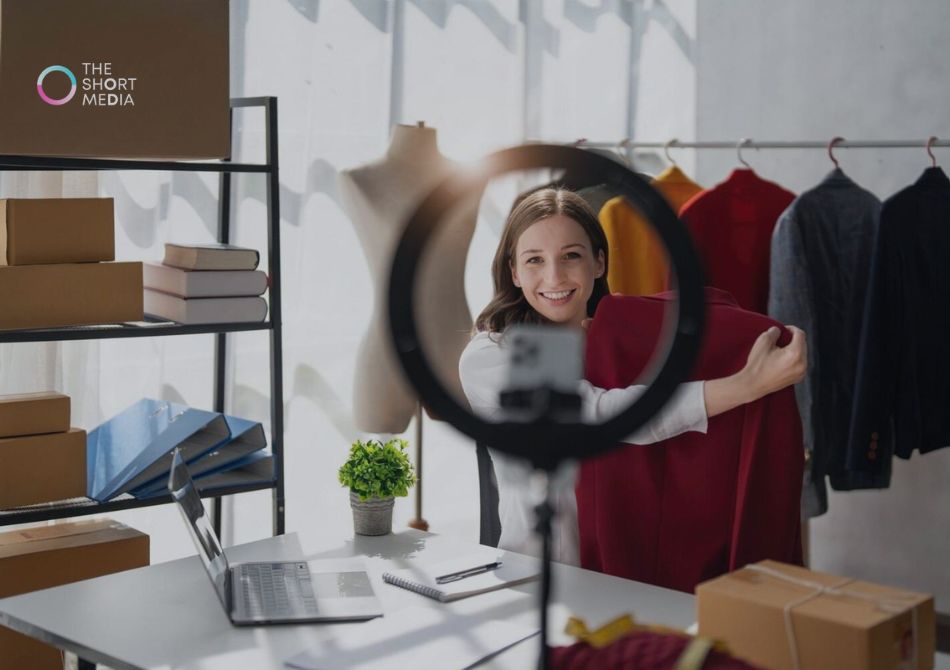
A few months ago, I saw a skincare brand push the same product in two very different ways. One was a polished studio ad with clean lighting, tidy copy, and all the usual “premium” cues. The other was a creator in her flat, half-whispering because her baby was asleep upstairs, showing the texture on the back of her hand and admitting she thought the price was a bit much until she used it for two weeks. Guess which one drove more sales.
Not just more clicks. More actual checkouts.
That gap says a lot about where retail is heading, especially in the UK, where shoppers are increasingly comfortable buying through content instead of walking a high street or opening ten browser tabs to compare products. Creator-led commerce isn’t some abstract trend report phrase. It’s what happens when entertainment, recommendation, and checkout sit in the same place — and when the person doing the selling feels more like someone you’d actually listen to.
And yes, TikTok Shop sits right in the middle of that shift.
Retail is getting more personality, for better or worse
For years, retail marketing was built around control. Brand team writes the message. Creative team polishes it. Media team distributes it. Then everyone wonders why the ad looks expensive but the comments are full of the same objections nobody addressed on the product page.
Creator-led commerce messes with that process a bit. In a useful way.
A creator will say the thing a brand often won’t. That the leggings are great for short runs but maybe not marathon training. That the air fryer liner saves cleanup but bunches up if you don’t weigh it down. That a protein bar tastes decent, not amazing, but works when you’re stuck between meetings. Those details sell, because they sound lived-in.
In the UK market, where consumers can be pretty quick to sniff out overblown claims, that matters. There’s a slightly sharper filter here. If a video feels too rehearsed, people notice. If a creator reads a script too perfectly, performance usually drops. I’ve seen it happen with beauty launches and home gadgets alike.
Why TikTok Shop works when older retail models feel slow
The old path to purchase had too many steps. See product. Search product. Read reviews. Get distracted. Maybe come back later.
With TikTok Shop, that chain gets compressed. Discovery and purchase happen in one scroll session, sometimes in under three minutes. That doesn’t mean every product suddenly sells. Plenty don’t. But when the format fits — demonstrable product, clear use case, creator who knows how to hold attention — it can move frighteningly fast.
Beauty brands got there early. A US-based lip stain brand can seed fifty creators, spot three strong hooks, then turn those into paid creative and push into UK audiences within days. Kitchen products do well too, especially when the demo is messy enough to feel real. I’ve watched a storage container set filmed on a cluttered kitchen counter outperform a much nicer branded edit because viewers could immediately picture it in their own home.
That’s where tiktok business advertising becomes more than media spend. It becomes amplification for content that already proved itself in the wild.
And that’s an important distinction. A lot of teams still treat TikTok like they can brief one hero ad, put budget behind it, and call it a strategy. Usually doesn’t go well.
The messy overlap between creators, commerce, and paid media
This is the part some retail teams underestimate. Creator-led commerce isn’t just influencer seeding with a checkout button attached. It’s an operating model.
The strongest brands are blending tiktok influencer marketing with paid testing, affiliate structures, comment mining, and fast creative iteration. They’re not waiting six weeks for a campaign wrap-up deck. They’re checking what viewers keep asking in comments and feeding that back into the next round of content.
If ten people ask whether a cleaning product is safe on quartz, that’s not just engagement. That’s copy direction.
If a fitness creator keeps getting “would this work for beginners?” under a resistance band video, that’s your next hook.
This is why tiktok influencer marketing and tiktok business advertising now sit much closer together than they used to. Organic creator content finds the angle. Paid spend scales it. Shop data tells you what actually converted, not just what looked good in a report.
Retailers that keep those functions in separate silos tend to move too slowly. By the time legal has approved the trend reference, the trend has gone. By the time a large retail brand signs off the final edit, a smaller DTC competitor has already tested twelve variations and found two winners.
UK retail has its own version of this shift
The UK isn’t just copying the US here, though the US definitely gives plenty of examples. You can see the pattern across categories: beauty, supplements, home organisation, pet products, even local services trying to package offers through creator content.
What’s interesting in the UK is the mix of scepticism and impulse. British shoppers often want proof before purchase, but they also respond well to dry, direct creator styles that don’t feel overproduced. A creator saying, “I didn’t think I needed this, but actually…” can outperform a much cleaner hard-sell approach.
That matters for TikTok Shop, because the platform rewards content that feels native first and commercial second. Not anti-brand. Just less polished in the obvious way.
I’ve seen Amazon-focused brands use tiktok influencer marketing to build demand before a retail push, then switch into tiktok business advertising once a few creator formats start converting. A small home products brand can test a mop attachment, find that “watch how much dirt this picks up” beats every lifestyle angle, and then run with it. Not glamorous. Very effective.
What creators are doing that retail ads often miss
A lot of retail ads still answer the brand’s question — “how do we present this product?” — instead of the shopper’s question, which is usually more like “will this actually work for me, in my house, with my budget, and is there a catch?”
Creators tend to answer that more naturally.
They show scale properly. They mention the annoying bit. They compare shades against real skin in bad daylight. They test a pan on an actually dirty hob instead of a spotless showroom kitchen. Small thing, but it changes how believable the product feels.
This is also why tiktok influencer marketing often produces better sales insights than a standard brand shoot. The comments are full of hesitation points. Shipping concerns. Sizing confusion. Ingredient questions. You can learn more from one strong creator post than from a week of internal guesswork.
Then tiktok business advertising can take those learnings and turn them into sharper paid creative. Not because paid fixes weak messaging, but because it helps scale the message once it’s grounded in what people actually care about.
TikTok Shop isn’t magic, and some brands are still getting it wrong
Plenty of brands jump in with the wrong expectations.
They pick creators based on follower count instead of selling ability. They send scripts that sound like legal wrote them. They brief creators to mention five selling points in thirty seconds, which is how you end up with content that feels like a hostage video. A bit harsh, but you’ve probably seen them.
Another common mistake: joining a format two weeks too late. A food brand sees a viral recipe style, copies it after the moment has passed, then wonders why results are flat. Timing matters. So does product fit.
Not every item belongs on TikTok Shop. Some products need consideration, comparison, or trust signals that are harder to build in one short video. But for impulse-friendly categories, replenishable goods, visually demonstrable products, and items that benefit from a person showing them in use, the model is hard to ignore.
That’s why tiktok influencer marketing is becoming less of an awareness play and more of a sales channel. And why tiktok business advertising teams are spending more time sourcing creator-style assets than building polished campaign films from scratch.
The retail teams that adapt fastest will look less “traditional”
This doesn’t mean stores disappear or brand building stops mattering. It means retail marketing is getting less linear.
A creator might spark demand. A paid ad might retarget viewers. A TikTok Shop listing might close the sale. Later, the customer might buy again from Amazon, Boots, or the brand’s own site. That path is messy. Real shoppers usually are.
The UK retailers doing well here won’t be the ones with the most perfect brand guidelines. They’ll be the ones willing to test quickly, let creators sound like themselves, and accept that a product demo filmed in a normal kitchen can outsell a campaign that took three months and six rounds of feedback.
Not always. But often enough that it’s changing how retail works.
FAQs
1. Is creator-led commerce only useful for beauty brands?
Beauty had an early advantage because products are easy to show on camera, but it’s gone well beyond that. Food, cleaning products, fitness accessories, home storage, pet items, and even some local service offers can work if the value is obvious quickly.
2. Does TikTok Shop work for established retailers or mainly smaller brands?
Both, honestly. Smaller brands often move faster, which helps, but established retailers have range, stock, and stronger fulfilment. The challenge for bigger businesses is usually internal speed, not platform fit.
3. How important is tiktok influencer marketing compared with paid ads?
It’s usually where the best creative angles come from. Paid can scale reach, but creator content often finds the message that people actually respond to first. If you skip that part, you end up spending money to distribute something bland.
4. What kind of products struggle on TikTok?
Products with a long sales cycle, complicated setup, or a lot of trust barriers can be harder. Higher-ticket home services, for example, may get attention through content but still need a different conversion path.
5. Should brands give creators a script?
A loose brief, yes. A word-for-word script, usually not. The second a creator sounds like they’re reading approved messaging off-screen, viewers can feel it. And performance tends to dip fast.