
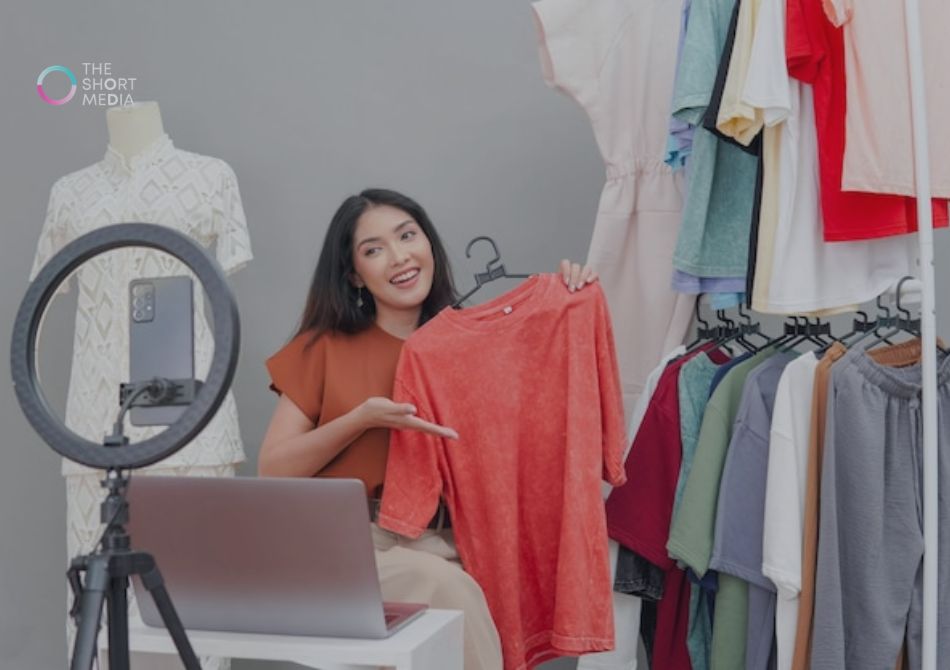
A few months ago, I watched a decent-sized retail brand post a polished TikTok announcing a new product drop. Clean lighting, nice edit, agency-approved captions, all technically fine. It barely moved. A week later, a creator filmed the same product on her kitchen counter, half talking to camera, half trying to open the packaging with one hand, and the comments filled up with people asking where to buy it.
That’s the bit some teams still miss. TikTok doesn’t punish brands for being brands. It punishes them for feeling stiff, late, or weirdly over-controlled.
If you’re working on tiktok brand marketing in the UK, that matters more than whatever trend report landed in your inbox this week. UK consumers aren’t asking brands to become creators overnight. They just expect a bit more awareness, a bit more honesty, and content that doesn’t look like it had six rounds of legal review before anyone hit publish.
The real brief for tiktok brand marketing
A lot of brand marketing on tiktok goes wrong because the team starts with format instead of behaviour. They ask, “Should we do trends?” when the better question is, “How do people actually want to hear from us here?”
From what I’ve seen, UK audiences are fairly quick to sniff out effort that feels imported from another platform. The glossy brand reel cut into a vertical frame. The voiceover that sounds like a radio ad. The trend used two weeks after everyone else moved on. You can almost see the comments coming.
That doesn’t mean everything has to be chaotic or low quality. It means the content needs to feel native. There’s a difference.
For tik tok brand marketing Uk teams especially, there’s also a cultural layer. British audiences often respond well to understatement, dry humour, self-awareness, and practicality. Not every brand should try to be funny, obviously. But over-selling tends to land badly. If your product is useful, show it being useful. If it solves an annoying little problem, even better.
People want proof, not a brand voice workshop
This comes up constantly in brand marketing on tiktok. Internal teams spend ages refining tone of voice, then post a video that says almost nothing.
What tends to work better is proof. Show the product in use. Show what it fixes. Show the texture, the speed, the before-and-after, the mess, the setup, the result after a week. A beauty brand demonstrating foundation in daylight usually gets more useful engagement than a moody campaign cut. A home product filmed during an actual clean-up in a real kitchen often beats studio content. I’ve seen a simple food brand demo — literally someone making lunch and explaining why one ingredient was easier to use — outperform a much more expensive launch asset by a wide margin.
UK consumers, like everyone else, use TikTok as a kind of informal research tool. They scroll comments. They look for people asking blunt questions. They notice if the brand replies. That’s where tiktok brand marketing gets interesting, because the comments often reveal the objections your landing page politely skipped over.
Things like:
- “Does this work on sensitive skin?”
- “How big is it actually?”
- “Would this survive a commute in a backpack?”
- “Can you get this in-store or only online?”
A smart team turns those questions into the next five videos.
Brand marketing on TikTok works better when the brand stops over-performing
There’s a very specific kind of bad TikTok content where a brand tries so hard to seem fun that it becomes exhausting. Forced slang. Over-acting. Scripted “relatable” jokes. You’ve probably seen it.
A lot of UK consumers would rather see a brand be straightforward than painfully desperate for approval.
That’s especially true in categories like fitness, home products, food, and local services. If you run a gym chain, show what a beginner session actually looks like. If you sell storage products, show the cupboard before and after. If you’re a local clinic, explain one common misconception clearly and without sounding like a brochure. For brand marketing on tiktok, useful often beats clever.
And creators matter here. Not because every creator is magic, but because they know how to make a point without sounding like a script. Or at least the good ones do. I’ve seen creator ads fail simply because the brand made them read every feature line in order. The second it sounds too perfect, people switch off. A creator pausing, rephrasing, or admitting a small downside can actually help. Strange but true.
UK audiences expect brands to understand the room
This is where tik tok brand marketing Uk gets more nuanced than generic advice suggests.
Some trends travel well. Some really don’t. A US-first content style can feel slightly off in the UK if the humour is too broad or the pacing is too polished. Even simple things — pricing references, shopping habits, local slang, retail context — affect how content lands.
Say you’re launching a beauty product through Boots, Superdrug, and DTC. The TikTok strategy should reflect how people actually shop that category in the UK. Convenience matters. Shade matching concerns matter. People will ask if it’s available in-store because they want to swatch it on Saturday, not wait four days for delivery.
Same with food brands. If a snack is stocked in Tesco and Co-op, say that. If a cleaning product is good for small London flats, show that. If an Amazon product solves a tiny renter problem, don’t bury the setup in lifestyle fluff. This is where tik tok brand marketing Uk can feel sharp and relevant instead of generic.
Comments are part of the content, whether the brand likes it or not
A surprising amount of tiktok brand marketing still treats posting as the finish line. It isn’t. On TikTok, the comment section often does half the persuasion.
I’ve seen comments rescue mediocre videos and sink expensive ones. If someone asks a fair question and the brand dodges it, people notice. If there’s a complaint pattern and nobody addresses it, that lingers. If the brand replies quickly with specifics, suddenly the whole thread becomes social proof.
For brand marketing on tiktok, community management isn’t just customer service with emojis. It’s market research, sales enablement, and creative direction all crammed into one place.
A few practical habits help:
- Reply with videos when the question comes up more than once.
- Don’t delete mild criticism unless it’s abusive or false.
- Let creators answer in their own voice if they posted the original content.
- Save recurring objections for paid ad hooks later.
One of the most useful things I’ve seen was a DTC skincare brand noticing repeated comments about pilling under SPF. They made a quick follow-up showing product order and texture. Not glamorous. Very effective.
Paid can scale it, but paid won’t fix a bad idea
This sounds obvious, yet teams still try to media-spend their way out of awkward creative.
In brand marketing on tiktok, paid works best when it amplifies something that already has a believable hook. Maybe that’s a creator demo, a customer-style review, a side-by-side comparison, or a founder explaining why the product was made after dealing with a specific problem. Not a generic “we’re excited to announce” video. Those rarely improve with budget.
For UK campaigns, I’d also be careful with over-produced launch creative unless the category really supports it. Retail launches, Amazon products, beauty tools, home organisers, meal products — these often perform better when the first three seconds get straight to the use case.
Not every brand needs to look scrappy. But a lot of them need to look less rehearsed.
What consumers actually expect from brands on TikTok
If I had to strip it down, UK consumers usually expect a few simple things from tik tok brand marketing Uk efforts:
They want content that respects the platform. Not recycled Instagram assets with a trending sound glued on.
They want enough honesty to make a buying decision. Show the product clearly. Answer questions directly. Don’t hide behind tone.
They want brands to move at the speed of the conversation. Not recklessly, but fast enough that the content still feels current.
And they want some sign that a real person is involved. That could be a creator, a founder, a social manager, someone from the store floor, even a customer. Just not a faceless content machine.
That’s why tiktok brand marketing is less about acting like a publisher and more about acting like a participant. A commercially aware one, yes. But still a participant.
FAQs
1. Do UK consumers expect every brand to be funny on TikTok?
Not really. Humour helps if it fits the brand and someone on the team actually understands the joke. Forced banter is usually worse than being plain and useful.
2. How polished should brand TikTok content be?
Polished is fine if it still feels native. The issue isn’t quality, it’s stiffness. A well-shot demo can work brilliantly; a glossy video that says nothing usually won’t.
3. Is it better to use creators or post from the brand account?
Usually both. Creators can make the product feel more believable in-feed, while the brand account gives you a place to answer questions, build a content library, and test what messaging keeps coming up.
4. What mistakes do UK brands make most often?
Being late to trends is one. Over-scripting creators is another. I’d also add copying US TikTok styles without adjusting for UK humour, shopping habits, or retail context.
5. Does brand marketing on tiktok need a big budget?
No, but it does need volume and decent judgement. I’ve seen low-cost product demos outperform expensive shoots because they got to the point faster and felt more credible.