
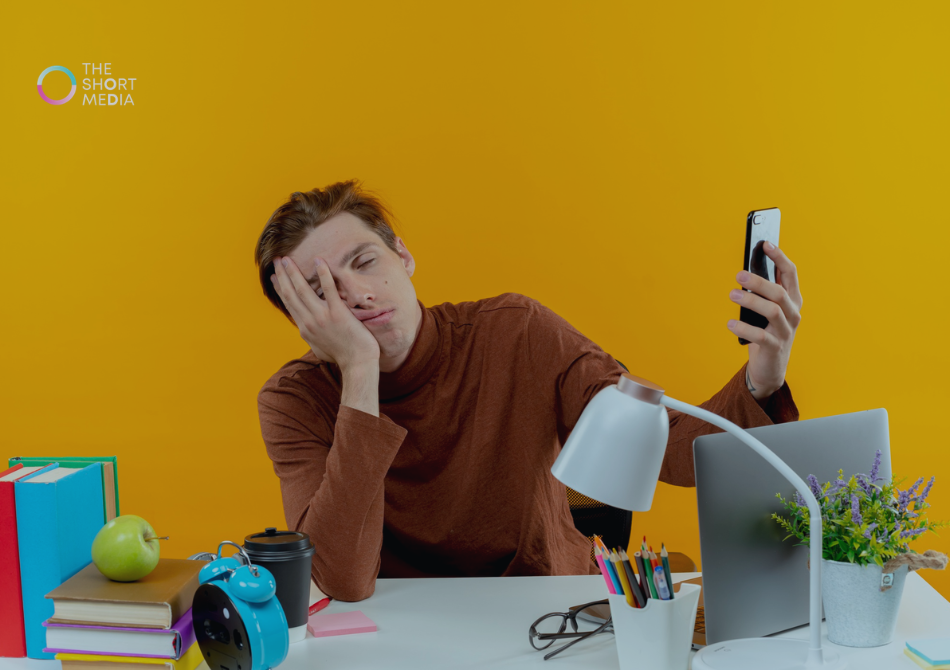
You can usually spot creative fatigue before the dashboard fully gives it away.
A brand has one TikTok ad that worked a little too well. Maybe it’s a founder talking to camera in a bathroom mirror. Maybe it’s a kitchen demo with a slightly messy countertop and a hook that sounds off-the-cuff. It scales nicely for two or three weeks, CPA looks healthy, the team gets comfortable, and then things start sliding. Thumbstop rate softens. CTR drops. Comments get weirdly flat. Frequency creeps up. Someone says, “Let’s just increase spend again,” which, honestly, is often how the decline gets worse.
That’s creative fatigue on TikTok. Not some abstract platform theory. Just audiences seeing the same thing too many times, in too similar a format, until the ad stops feeling interesting or believable.
For brands using tiktok ads services, this is one of the biggest operational problems to solve. Not targeting. Not bidding. Creative volume, creative variation, and knowing when an ad is tired even before it completely falls apart.
TikTok Ads get stale faster than most teams expect
Creative fatigue happens when your ad has been shown enough times, or to enough overlapping audiences, that performance starts dropping because people are tuning it out. On TikTok, that tends to happen faster than on some other paid channels.
Part of that is just how the feed works. TikTok Ads sit inside an environment where users are moving quickly, reacting quickly, and comparing your content against creators who are naturally entertaining without trying to “be an ad.” If your brand keeps running the same edit, same hook, same creator delivery, same product angle, people feel it.
And they don’t always tell you directly. Sometimes they do, of course. You’ll see comments like “I’ve seen this 20 times” or “another one of these.” But often the more useful signal is quieter: watch-through drops, first 3-second hold weakens, conversion rate slips even though landing page metrics haven’t changed much.
I’ve seen this a lot with beauty and wellness brands in the US. A skincare ad with a “get ready with me” format works because it feels casual. Then the team makes six near-identical versions with the same pacing and same line read. By week three, the creator is still attractive, the product is still good, but the ad feels processed. Too rehearsed. You can almost hear the approval rounds in it.
What creative fatigue actually looks like in campaign data
You don’t need to wait for a campaign to crater.
Here’s what often shows up first in TikTok Ads accounts:
The hook stops pulling people in
If your opening line worked because it felt fresh, repeated exposure wears it out. This happens a lot with scripted UGC. The first version sounds natural. The fifth sounds like the creator memorised a brief and tried not to blink.
A fitness supplement brand might open with “I tried this before my 6am workout…” and get great early traction. Fine. But if every variation keeps that exact framing, audiences stop responding even if the rest of the edit changes.
Frequency rises, but performance doesn’t hold
This isn’t always the only cause, but it’s a strong clue. If frequency is climbing and your cost per result is moving in the wrong direction, your creative may be doing less work than it was a week ago.
For brands relying on tiktok ads services, this is where media buying and creative strategy need to talk to each other. Too often they don’t. The buyer keeps testing audiences while the actual problem is that the ad has gone stale.
Comments start revealing irritation or boredom
Comments are underrated research. Not because every comment is useful, but because patterns are useful.
I’ve seen home product brands discover objections in comments that the sales page barely addressed. Stuff like “does this actually fit under a standard sink?” or “why are they never showing the refill process?” Sometimes fatigue and messaging gaps show up together. People aren’t just tired of the ad; they’re tired of hearing the same claim without getting the detail they want.
Your “winning ad” crowds out new testing
This one is more of a team problem than a platform problem. A single strong performer can make everyone lazy. Understandably. Nobody wants to pull budget from the ad keeping CPA in range.
But when that happens, testing slows down. Then fatigue hits, and suddenly there’s no bench. No backup concepts, no fresh creators, no alternate offers, no different product angle.
Why advertising on tiktok ads burns through creative so quickly
A lot of brands underestimate the production side of advertising on tiktok ads. They treat TikTok like another placement where one or two polished assets can carry the account for a month. Usually not happening.
The platform rewards variation, and not fake variation either. Swapping text overlays and calling it a new ad won’t get you very far. Users notice sameness fast.
There are a few reasons advertising on tiktok ads tends to fatigue quickly:
- The feed moves fast, so weak openings get filtered immediately.
- Trends have a short shelf life. A sound or format can feel current for ten days, then feel late.
- Creator-style content works well, but only when it still feels like a person made it, not a committee.
- Broad targeting means your creative often does the heavy lifting.
I’ve watched brands jump on a trend two weeks too late and wonder why it looked forced. I’ve also seen a product demo filmed in a real kitchen beat a studio version by a mile because the studio cut looked expensive in the wrong way. Too lit, too clean, too branded.
That’s the annoying part of advertising on tiktok ads for some teams. The ad that feels less “finished” often performs better.
How brands can avoid TikTok creative fatigue without turning content into chaos
Avoiding fatigue isn’t about posting random stuff and hoping one sticks. It’s about building a creative system that produces enough variation without losing the plot.
Tiktok ads services should include a creative refresh plan
If you’re working with agencies or freelance support, ask a very simple question: how often are we refreshing concepts, not just assets?
Good tiktok ads services shouldn’t stop at trafficking campaigns and reporting ROAS. They should include a rhythm for replacing tired angles, sourcing new creators, and testing different structures before the current winner falls off.
That might mean:
- 3–5 new hooks every two weeks
- fresh creator batches monthly
- alternate edits for different awareness levels
- new objection-handling ads based on comment mining
Not glamorous. Very useful.
Stop making tiny edits and calling them new creative
A lot of teams burn time on cosmetic changes. New caption. Different thumbnail. Slightly faster cut. Sometimes those help, but they rarely solve real fatigue in TikTok Ads.
Better creative variation usually comes from changing one of these:
The angle
Same product, different reason to care. A cleaning brand can go from “watch this remove stains” to “here’s why renters keep buying this” or “what this replaces under your sink.”The messenger
A founder ad and a customer ad do different jobs. So does a creator in her car versus a creator in her kitchen. Small context shifts matter.The structure
Don’t keep using the same testimonial arc. Try demo-first, objection-first, comment-reply style, comparison, list format, or “I bought this because…” framing.The proof
Show the thing actually being used. For Amazon products especially, proof tends to outperform polished claims. A storage organiser being installed badly, then corrected, can feel more believable than a perfect montage.Use comments and customer service logs as creative fuel
This is one of the easiest wins in advertising on tiktok ads, and teams still skip it.
Your next ads are often sitting in:
- TikTok comments
- Amazon reviews
- post-purchase surveys
- customer support tickets
- creator feedback
If people keep asking whether a protein powder is chalky, that’s an ad. If customers for a local service keep worrying about booking times or pricing transparency, that’s an ad too. If a beauty product gets praise for not pilling under sunscreen, that’s definitely an ad.
Real objections make better hooks than generic copywriting.
Build a bigger bench of creators than you think you need
One creator can carry a concept for a while, but not forever. For TikTok Ads, creator fatigue and creative fatigue often overlap.
Some creators start strong and then become too polished for the brand. You can see it happen. Their first video has natural pauses, maybe a slightly awkward line, maybe the framing isn’t perfect. Then they learn what the brand wants and every future asset comes back smoother, cleaner, less convincing.
That’s why tiktok ads services often work best when they include ongoing creator sourcing, not one-off UGC production.
Don’t wait for performance to get ugly
A practical rule: if an ad is clearly carrying the account, start replacing it while it still works.
That sounds obvious, but teams resist it all the time. They think testing new concepts will distract from scaling. Usually the opposite. Healthy advertising on tiktok ads depends on having fresh options ready before the old ones fade.
You don’t need to panic-refresh everything weekly. But you do need a cadence. Otherwise you end up overprotecting one winner until it collapses.
FAQs
1. How do I know if a TikTok ad is fatigued or if the offer is the problem?
Look at the pattern. If CTR and hold rate are dropping before conversion rate really changes, that often points to creative. If people are still clicking but not buying, the offer, landing page, or product-market fit may be the bigger issue.
2. How often should brands refresh TikTok creative?
For active spend, every couple of weeks is a reasonable starting point. Not a full reset, just new hooks, new creators, or a different angle. Higher-spend accounts usually need more frequent testing because they burn through audience attention faster.
3. Can small edits help extend the life of TikTok Ads?
Sometimes, a little. A tighter first second or better text overlay can squeeze more life out of an ad. But if the core concept is tired, small edits won’t rescue it for long.
4. Is creative fatigue worse on TikTok than Meta?
Often yes, at least from what many paid social teams see in practice. The pace is quicker, users are harsher on anything that feels repetitive, and trend-based formats age fast.
5. Should every brand use creators for TikTok Ads?
Not every single brand, but most should test creator-led formats. Even home goods, food, supplements, and local services tend to benefit from having a real person explain, demo, or react to the product. It doesn’t need to be an influencer with a massive following either.